
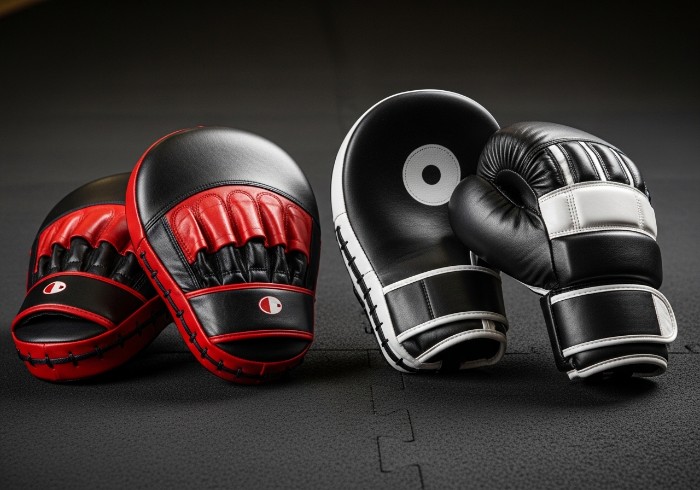

Training on mitts changes the feel of a workout fast. One round on a heavy bag can build conditioning, but a sharp pad session forces timing, accuracy, defense, and reaction speed to work together. That’s why focus mitt gloves and pad work gloves remain staples in boxing gyms from New York to Los Angeles, MMA academies in Florida, and garage gyms across Texas.
The challenge is that many athletes and trainers use similar terms for very different pieces of equipment. A search for “focus mitt gloves” might lead to trainer mitts, athlete gloves, hybrid designs, or even MMA striking gear.
This guide breaks down the differences, explains what matters when buying equipment in the United States, and helps match the right gear to your training goals and budget.
What Are Focus Mitt Gloves and Pad Work Gloves?
Focus mitt gloves are worn by the trainer, while pad work gloves are worn by the athlete hitting the target.
In a typical boxing session, the coach wears focus mitts and calls combinations. The athlete wears boxing gloves or training gloves and throws punches at those targets.
Focus Mitt Gloves
Focus mitts are handheld targets designed to absorb impact while giving immediate feedback on accuracy and timing.
Common features include:
- Shock absorption padding
- Finger hood protection
- Palm ball support
- Wrist stabilization
- Ventilation mesh panels
In practice, focus mitts function like a moving target system. Instead of punching a stationary heavy bag, you react to cues and adjust positioning in real time.
Pad Work Gloves
Pad work gloves are the gloves worn by the athlete during mitt sessions.
Common features include:
- Knuckle padding
- Wrist support
- Thumb lock systems
- Velcro straps or lace-up closures
- Impact foam layers
Many athletes use lightweight boxing gloves for mitt work, while others prefer hybrid training gloves or MMA gloves.
How They Differ From Other Gloves
| Equipment | Primary User | Main Purpose | Typical Padding |
|---|---|---|---|
| Focus mitts | Trainer | Catch punches | High impact absorption |
| Pad work gloves | Athlete | Strike mitts and pads | Moderate |
| Heavy bag gloves | Athlete | Bag training | Dense impact foam |
| Sparring gloves | Athlete | Partner training | Maximum protective padding |
A heavy bag develops power and conditioning. Focus mitt training develops precision, rhythm, and reaction speed.
That distinction matters more than many beginners realize.
Where They’re Used
Focus mitt gloves and boxing pad gloves are common in:
- Boxing gyms
- MMA academies
- Kickboxing clubs
- Fitness boxing classes
- Youth boxing programs
- Home gym training setups
USA Boxing programs frequently incorporate mitt work because it reinforces proper mechanics while limiting unnecessary impact volume.
Types of Focus Mitt Gloves in the US Market
The American market offers several distinct focus mitt styles.
Each creates a slightly different training experience.
Curved Focus Mitts
Curved focus mitts feature a naturally angled striking surface.
Benefits include:
- Easier punch catching
- Better shock distribution
- Comfortable wrist positioning
- Faster combination training
Many professional boxing coaches prefer curved focus mitts because they reduce wrist fatigue during high-volume sessions.
Popular examples include models from Ringside, Title Boxing, and Everlast.
Flat Focus Mitts
Flat mitts provide a traditional target surface.
Advantages:
- Larger striking area
- Useful for beginners
- Strong feedback on punch accuracy
The downside is that flat designs often transfer more force into the trainer’s hands.
Air Focus Mitts
Air mitts use air chambers inside the padding system.
Benefits include:
- Lighter weight
- Reduced hand strain
- Faster movement patterns
Many MMA focus mitts use this design because quick transitions matter during mixed striking drills.
Gel-Padded Mitts
Gel padding disperses impact exceptionally well.
These mitts are common in:
- Commercial gyms
- Private coaching studios
- High-volume boxing programs
A trainer handling dozens of rounds daily often appreciates the extra protection.
Hybrid Mitt-and-Glove Designs
Hybrid designs combine elements of traditional focus mitts with glove-like construction.
Advantages include:
- Better hand security
- Enhanced finger protection
- Improved comfort during extended sessions
These designs have become increasingly popular in American MMA gyms.
Popular US Brands
Several brands consistently appear in conversations about the best focus mitts USA buyers can purchase.
| Brand | Best Known For | Typical Price |
|---|---|---|
| Everlast | Entry-level value | $30-$80 |
| Ringside | Boxing-focused durability | $50-$120 |
| Title Boxing | Wide selection | $40-$150 |
| Fairtex | MMA and Muay Thai quality | $80-$180 |
| Century Martial Arts | Multi-sport training gear | $40-$130 |
Commentary on Differences
Everlast tends to appeal to beginners looking for affordability.
Ringside and Title Boxing occupy the middle ground where durability and price meet comfortably.
Fairtex products generally cost more, but many trainers describe the hand feel and shock absorption as noticeably better during long sessions. That difference becomes more obvious after hundreds of rounds rather than a few workouts.
Types of Pad Work Gloves for Athletes
The gloves used for mitt work influence speed, comfort, and hand protection.
Lightweight Bag Gloves
Lightweight gloves prioritize speed.
Benefits:
- Fast combinations
- Reduced arm fatigue
- Better conditioning pace
Many athletes use 10 oz gloves for mitt sessions because the lighter weight allows higher punch volume.
Hybrid Training Gloves
Hybrid gloves combine features from:
- Sparring gloves
- Bag gloves
- General training gloves
These are among the most versatile options available.
For most recreational boxers, one quality hybrid glove covers a large percentage of training needs.
MMA Gloves for Pad Work
MMA gloves work well during:
- Striking drills
- Mixed martial arts training
- Clinch transitions
Open-finger construction allows grappling while still protecting the knuckles.
Lace-Up vs Velcro
| Feature | Lace-Up | Velcro |
|---|---|---|
| Wrist support | Excellent | Very good |
| Convenience | Lower | Excellent |
| Solo use | Difficult | Easy |
| Gym use | Popular with fighters | Popular with most athletes |
Lace-up gloves provide exceptional wrist alignment.
Velcro gloves dominate everyday gym training because they’re practical.
Youth vs Adult Sizes
Youth gloves typically range from 6 oz to 10 oz.
Adult mitt-work gloves often fall into:
- 10 oz
- 12 oz
- 14 oz
- 16 oz
For dedicated pad work, 10 oz and 12 oz gloves remain common choices because they balance speed and protection.
Leading US Brands
Strong options include:
- Everlast
- Venum
- Hayabusa
- Cleto Reyes
- Ringside
Hayabusa models often receive praise for wrist support.
Cleto Reyes gloves deliver a compact punching feel that many experienced boxers appreciate.
How to Choose Focus Mitt Gloves (Trainer Guide)
For trainers, hand protection and durability matter more than flashy design features.
A focus mitt absorbs thousands of impacts over its lifespan.
Hand Protection
Shock distribution sits at the top of the priority list.
Features that help include:
- Multi-layer foam
- Gel inserts
- Palm ball support
- Deep catching pockets
Poor shock absorption often leads to wrist fatigue and sore hands.
Durability
Daily gym use exposes equipment to significant wear.
Look closely at:
- Stitching quality
- Edge reinforcement
- Leather construction
- Palm durability
Genuine leather usually lasts longer than synthetic leather, especially in busy boxing gyms.
Comfort During Long Sessions
A mitt might feel comfortable for three rounds.
Ten rounds can tell a different story.
Important comfort features include:
- Breathability
- Ventilation mesh
- Secure finger hood design
- Ergonomic grip bar placement
Budget Expectations
Most trainer focus gloves fall into three categories:
| Category | Price Range |
|---|---|
| Budget | $40-$60 |
| Mid-range | $60-$100 |
| Premium | $100-$150+ |
A mid-range pair often provides the best value for coaches running regular training sessions.
Best Fit by Environment
- Youth boxing programs benefit from larger target zones.
- Commercial gyms benefit from durable leather mitts.
- Private training studios often prefer premium gel-padded models.
How to Choose Pad Work Gloves (Athlete Guide)
The right glove depends heavily on how often you train and what type of athlete you are.
Beginners
Beginners typically benefit from:
- Strong wrist support
- Moderate foam density
- Velcro closures
- 12 oz sizing
Extra protection helps during the period when punch mechanics are still developing.
Amateur Fighters
Amateur competitors often prioritize:
- Speed
- Compact design
- Responsive padding
- Secure wrist alignment
Many choose lighter gloves specifically for mitt sessions.
Training Frequency
Training volume changes equipment needs.
| Weekly Training | Recommended Focus |
|---|---|
| 1-2 sessions | Comfort and affordability |
| 3-5 sessions | Durability and support |
| 6+ sessions | Premium protection and longevity |
Speed vs Power
For speed-focused workouts:
- Lightweight boxing gloves
- Compact profiles
- Lower overall weight
For power-oriented training:
- Denser foam
- More knuckle support
- Increased wrist stabilization
Home Gym Users
Home gym athletes often seek versatile equipment.
Hybrid training gloves frequently deliver the strongest value because they handle mitt work, light bag training, and general conditioning sessions.
Budget Expectations
Typical pricing includes:
- $30-$60: Entry-level
- $60-$100: Mid-range
- $100-$200+: Premium
The sweet spot for most athletes usually falls between $60 and $120.
Safety, Injury Prevention, and USA Standards
Hand wraps remain one of the most effective tools for boxing hand protection.
Even premium gloves cannot fully replace proper wrapping.
Hand Wraps
Hand wraps help stabilize:
- Wrist joints
- Knuckles
- Thumb structures
- Metacarpal bones
They also reduce movement inside the glove.
Wrist Stability
Wrist sprains often occur when punches land at awkward angles.
Good wrist support combined with proper technique significantly lowers risk.
Proper Punch Mechanics
Safe pad training relies on:
- Joint alignment
- Controlled extension
- Correct fist positioning
- Balanced footwork
Overextension remains a common source of shoulder and elbow discomfort.
Rotator Cuff Protection
Pad work encourages repetitive punching.
Strong shoulder conditioning helps manage repetitive strain and impact force.
USA Boxing Considerations
USA Boxing emphasizes:
- Appropriate equipment
- Safe training environments
- Correct coaching practices
- Athlete protection
While equipment standards vary by activity, quality padding and proper fit remain central safety principles.
Focus Mitt and Pad Work Training Drills
Pad work becomes most effective when it develops multiple skills simultaneously.
Jab-Cross Combinations
The classic 1-2 remains foundational.
Benefits include:
- Timing
- Accuracy
- Distance control
A typical drill uses 3-minute rounds with consistent punch counts.
Slip-and-Counter Drills
These drills train defensive reactions.
Sequence example:
- Jab
- Cross
- Defensive slip
- Counter cross
The rhythm resembles a conversation between offense and defense.
High-Intensity Interval Rounds
Many fitness boxing classes use interval structures such as:
- 30 seconds maximum output
- 30 seconds controlled pace
These sessions elevate conditioning quickly.
Defensive Movement Drills
Common components include:
- Slips
- Rolls
- Pivots
- Angle changes
Many Los Angeles boxing gyms incorporate defensive movement heavily during mitt work.
Conditioning Circuits
MMA academies and boxing programs frequently combine:
- Mitt rounds
- Jump rope
- Medicine ball work
- Bodyweight exercises
The result feels closer to competition pacing.
Maintenance, Cleaning, and Longevity
Good equipment lasts longer when basic maintenance becomes routine.
Dry Gloves After Training
Sweat buildup damages:
- Interior lining
- Foam layers
- Leather surfaces
Allow gloves and mitts to air dry immediately after use.
Use Anti-Bacterial Sprays
Anti-bacterial products help reduce:
- Odor control issues
- Mold risk
- Bacterial growth
Products designed specifically for combat sports equipment work best.
Avoid Hot Car Trunks
Summer temperatures in many US states can become extreme.
Excessive heat accelerates:
- Cracked leather
- Adhesive breakdown
- Foam deterioration
Condition Leather
Leather conditioning products help maintain flexibility and durability.
Periodic treatment extends glove lifespan significantly.
When to Replace Gloves
Replacement signs include:
- Flattened padding
- Excessive odor
- Torn lining
- Cracked exterior surfaces
- Reduced impact absorption
Most heavily used training gloves show noticeable wear after one to three years depending on usage frequency.
Price Ranges and Where to Buy in the United States
American buyers have more purchasing options than ever.
Budget Tier: $30-$60
Common features:
- Synthetic materials
- Basic foam systems
- Entry-level protection
Suitable for casual training.
Mid-Range Tier: $60-$120
This category often delivers the strongest value.
Benefits include:
- Better materials
- Improved durability
- Enhanced comfort
- Better wrist support
Premium Tier: $120-$250+
Premium products typically feature:
- Genuine leather
- Advanced padding systems
- Superior craftsmanship
- Longer lifespan
Where to Buy
Popular buying channels include:
- Amazon
- Dick’s Sporting Goods
- Academy Sports + Outdoors
- Local boxing gyms
- Direct brand websites
Buying Tips
Before purchasing:
- Review sizing charts carefully.
- Read customer reviews.
- Check return policies.
- Compare warranty coverage.
- Confirm shipping costs.
Those small details often matter more than marketing claims.
Conclusion
Focus mitt gloves protect the trainer, while pad work gloves protect the athlete and enhance performance during striking drills.
For trainers, durability, shock absorption, and comfort typically determine long-term satisfaction. For athletes, the key factors are wrist support, glove weight, training frequency, and overall fit.
A beginner attending fitness boxing classes a few times each week rarely needs premium equipment. A coach catching hundreds of punches every day often benefits from higher-end mitts built for sustained impact. The same principle applies across boxing, MMA, kickboxing, and conditioning programs.
When the right mitts meet the right gloves, pad work becomes more than a workout. It becomes one of the fastest ways to sharpen timing, improve accuracy, build conditioning, and develop the kind of rhythm that carries directly into real competition or high-level training