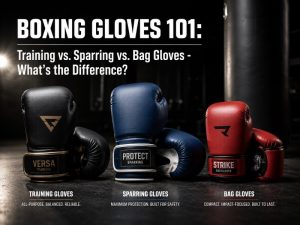


Boxing gloves smell bad because bacteria — not sweat itself — is the real culprit. Sweat creates a warm, damp environment inside the padding where bacteria multiply fast. To clean boxing gloves properly, wipe the exterior and interior after every session with a microfiber cloth and mild soap solution, let them air dry completely with the openings facing out, and use a deodorizer weekly. That’s the short version.
The longer version — covering deep cleaning, safe washing methods, natural deodorizing, proper drying, and the mistakes that silently destroy gloves — is all here.
Key Takeaways
- Wipe down gloves after every workout and let them air dry fully — this alone prevents 80% of odor problems.
- Never put boxing gloves in a washing machine or soak them in water; both damage the padding and adhesive.
- Natural deodorizers like baking soda and activated charcoal absorb moisture and neutralize odor without chemicals.
- Always wear clean hand wraps — they act as the first line of defense against sweat soaking into the glove lining.
- Replace gloves when the padding flattens, the lining tears, or the odor won’t come out after a deep clean.
Why Boxing Gloves Start Smelling Bad
Sweat itself is nearly odorless. The smell comes from bacteria breaking down the proteins and salts in sweat — and gloves are practically a five-star hotel for those microbes.
Think about what happens during a 45-minute session: your hands sweat, the moisture gets trapped in dense foam padding, and then the gloves go straight into a gym bag where there’s zero airflow. The temperature inside stays warm for hours. Bacteria double roughly every 20 minutes under ideal conditions, and closed, damp gloves are about as ideal as it gets.
Hand wraps make the problem worse when they’re skipped or worn dirty. Wraps absorb a significant amount of sweat before it reaches the glove lining — without them, that moisture goes directly into the foam. Once bacteria colonize the padding, surface wiping only removes the outer layer. The deeper smell stays.
The good news: consistent post-workout care keeps bacteria counts low enough that serious odor never develops in the first place.
Supplies You’ll Need Before Cleaning Boxing Gloves
Gather what you need before starting — the actual cleaning takes less than five minutes when everything’s within reach.
Essential Cleaning Supplies
These are the basics, all available at any grocery or drugstore:
- Microfiber cloths (2–3 on hand)
- Mild soap (dish soap or hand soap works fine)
- White vinegar
- Water in a small spray bottle
- Paper towels for interior drying
Optional Products That Make Cleaning Easier
These aren’t required, but they do a noticeably better job than DIY alone, especially for gloves that already have some odor buildup:
- Lysol Disinfectant Spray — kills bacteria on exterior surfaces quickly
- Clorox Disinfecting Wipes — convenient for post-workout wipe-downs
- Meister Glove Deodorizers — cedar-filled inserts designed specifically for boxing gear
- GearHalo Sports Deodorizer — a UV-based option that neutralizes odor-causing bacteria
- Gold BJJ Odor Eliminator — popular in the grappling community, works equally well on boxing gloves
How to Clean Boxing Gloves After Every Workout
This is the routine that matters most. Deep cleaning helps, but daily maintenance is what actually keeps gloves fresh long-term.
Wipe Down the Exterior
Dampen a microfiber cloth with water and a small drop of mild soap. Wipe the entire outside surface — palm, back of hand, wrist strap, thumb area. Pay attention to the seams where sweat collects. Follow with a dry cloth pass to remove moisture, then a light spray of Lysol or a white vinegar solution (1 part vinegar, 3 parts water) if you want extra disinfection.
For leather gloves specifically, skip the vinegar on the exterior more than once a week — it can dry out the material over time.
Clean the Inside of the Gloves
This is the part most people skip, and it’s where the odor lives. Spray the interior lightly with the vinegar-water solution or a glove-safe disinfectant spray. Use a paper towel or a long, thin cloth to wipe down as far inside as you can reach. Don’t saturate the padding — a light mist is enough.
Leave Gloves Open to Air Dry
Open the wrist closure fully and prop the gloves open — thumb side up works well, or hang them with the opening facing down over a rack. They need at least 2–3 hours of airflow before they’re fully dry inside. Overnight is better.
Never Store Gloves in Your Gym Bag
A closed gym bag traps moisture, kills airflow, and accelerates bacterial growth. Even 30 minutes in a sealed bag after training can undo a good wipe-down. Take the gloves out the moment you get home. A hook near the door works better than any storage solution.
How to Wash Boxing Gloves Without Damaging Them
“Washing” boxing gloves is really about controlled surface cleaning — not the deep soak most people imagine.
Spot Cleaning Leather Gloves
Mix a few drops of mild soap with warm water. Dip a microfiber cloth, wring it nearly dry, and clean the exterior in small sections. Buff dry immediately. Follow with a leather conditioner every few weeks to prevent cracking — gloves that crack along the knuckles are letting in bacteria and moisture in ways that cleaning can’t fix.
Cleaning Synthetic Leather Gloves
Synthetic gloves are more forgiving. The same mild soap solution works on the exterior, and you can be slightly more generous with moisture. Wipe dry completely before storing. Synthetic material doesn’t need conditioning, but it also tends to hold odor longer than genuine leather, so the interior cleaning step matters more.
Can You Put Boxing Gloves in the Washing Machine?
No. The agitation, heat, and prolonged water exposure break down the adhesive holding the padding together, warp the foam, and cause the lining to separate. Even a “delicate” cycle does real damage. This is a hard line — not a “proceed with caution” situation.
Can You Soak Boxing Gloves?
Soaking is also off the table. Submerging gloves forces water deep into the padding layers, and that moisture takes days to fully dry — creating a long window for mold and mildew growth. A damp cloth or light spray is the right approach.
Best Ways to Deodorize Boxing Gloves Naturally
If gloves already have some odor, these methods pull it out without harsh chemicals that damage the material.
Baking Soda
Pour 2–3 tablespoons into each glove, shake to distribute, and leave overnight. Dump out in the morning and air dry. Baking soda absorbs both moisture and odor — it’s one of the most effective options available, and it costs almost nothing.
White Vinegar Spray
Lightly mist the interior with a 1:3 vinegar-water solution and let it air dry completely. The vinegar smell disappears as it dries, and it takes a good amount of the bacterial odor with it. Don’t overdo it — once or twice a week is plenty.
Activated Charcoal Bags
Small activated charcoal pouches placed inside gloves between sessions absorb moisture continuously. They work passively and last several months before needing to be “recharged” by leaving them in direct sunlight for an hour. A genuinely underrated option.
Cedar Shoe Inserts
Cedar naturally absorbs moisture and has mild antimicrobial properties. Cedar inserts designed for shoes fit well inside most gloves and leave a clean, subtle scent. The Meister Glove Deodorizers mentioned earlier use cedar as the base material.
Silica Gel Packs
The little packets that come in shoe boxes and vitamin bottles are worth saving. Tossing 2–3 inside each glove overnight pulls out residual moisture after workouts. Recharge them by microwaving for 10–15 seconds every week or two.
Drying Boxing Gloves the Right Way
Proper drying isn’t just about comfort — it’s the primary way to prevent mold and mildew from forming inside the padding.
Air Drying
Air drying is the default method and the safest. Prop gloves open in a spot with decent airflow — not a closed closet, not the corner of a gym bag. A countertop or shelf with space around the gloves works fine.
Using a Fan
Pointing a small fan at open gloves cuts drying time roughly in half. This is useful after heavy sessions where the gloves absorbed more sweat than usual. Even a box fan on low for an hour makes a noticeable difference.
Glove Dryers
Electric glove dryers (the kind that insert into the glove and circulate warm air) are the most efficient option. They dry from the inside out — the direction that actually matters — and most models are designed to run at temperatures safe for both leather and synthetic materials. Worth the investment if training happens 4+ days per week.
What Never to Do
| Method | Why It Damages Gloves |
|---|---|
| Clothes dryer | Heat warps foam, agitation damages seams |
| Hair dryer on high | Dries too fast, cracks leather, melts adhesive |
| Direct sunlight for hours | UV exposure fades and dries out material |
| Heater vents | Uneven heat damages padding shape permanently |
Common Mistakes That Ruin Boxing Gloves
Most gloves don’t wear out from use — they wear out from neglect. These are the habits that shorten lifespan fastest.
Leaving gloves in a hot car. Temperatures inside a parked car can exceed 130°F in summer. One afternoon is enough to warp padding and crack leather.
Tossing gloves into a gym bag. Covered earlier, but worth repeating: this single habit is responsible for more premature glove deaths than anything else.
Cleaning with bleach. Bleach destroys leather and synthetic coatings, degrades foam padding, and leaves residue that irritates skin. Mild soap and vinegar handle disinfection without the damage.
Over-soaking or over-wetting. More water is not more clean. Light moisture with thorough drying is the right balance.
Ignoring hand wraps. Dirty or skipped wraps mean more sweat reaching the glove lining directly. Wash wraps after every session — they’re the easiest part of this whole routine.
Skipping cleaning after light sessions. Even a 20-minute shadowboxing workout produces enough sweat to feed bacterial growth overnight. The wipe-down habit matters every time.
Tips to Keep Boxing Gloves Fresh Longer
Cleaning reacts to odor. These habits prevent it.
Always Wear Clean Hand Wraps
Fresh hand wraps absorb sweat before it reaches the glove interior. Cotton wraps can go in the washing machine — wash them after every session without overthinking it.
Rotate Between Two Pairs of Gloves
Two pairs in rotation means each pair gets at least 48 hours to dry completely between sessions. Gloves that never fully dry between workouts develop permanent odor within a few months, even with good cleaning habits.
Store Gloves in a Cool, Dry Place
A hook or open shelf at room temperature is ideal. Avoid storing in a bag, a hot garage, or anywhere humidity runs high.
Use Glove Deodorizers Weekly
Even with consistent cleaning, a weekly overnight treatment with cedar inserts, activated charcoal, or baking soda keeps baseline odor at zero. Think of it as maintenance rather than a fix.
Replace Gloves When Necessary
No amount of cleaning fixes gloves that are genuinely past their lifespan. Signs it’s time to replace them:
- Persistent odor that doesn’t respond to deep cleaning
- Flattened padding that no longer rebounds after pressing
- Torn or peeling interior lining
- Cracked leather on the knuckle area
- Wrist support that’s lost its structure
Quality gloves used 3–4 times per week typically last 1–2 years with good care. Budget gloves may need replacing sooner — the foam compresses faster and the lining holds odor more stubbornly.
Frequently Asked Questions
How often should you clean boxing gloves?
Wipe them down after every single session — interior and exterior. A deeper clean with baking soda or vinegar once a week is enough for regular training. More frequently if the smell is already developing.
Can you use disinfectant spray inside boxing gloves?
Yes, with a light hand. A brief spray of Lysol or a similar disinfectant into the interior is safe and effective. Let the gloves air dry fully before the next use. Don’t saturate the padding — a light mist covers the job.
Is vinegar safe for boxing gloves?
White vinegar diluted with water (1:3 ratio) is safe for the interior of both leather and synthetic gloves used occasionally. On leather exteriors, limit use to once a week to avoid drying out the material. Undiluted vinegar is too acidic for regular use on leather.
Does freezing boxing gloves kill bacteria?
Freezing temporarily slows bacterial activity but doesn’t kill the bacteria — they resume growing once the gloves return to room temperature. It’s sometimes suggested as a quick fix, but it doesn’t address the underlying moisture problem. Stick with cleaning and drying.
How long do boxing gloves last?
With consistent care, quality gloves last 1–2 years for someone training 3–4 times per week. Heavy daily use shortens that timeline. Budget gloves in the $30–$50 range typically last 6–12 months regardless of care.
Can dirty gloves cause skin infections?
Yes. Bacteria and fungi like ringworm thrive in the moist, warm environment inside unwashed gloves. Skin conditions from contaminated gear are common enough in gym settings that regular cleaning is genuinely a hygiene matter, not just a comfort one.
Final Takeaway
The math here is straightforward: five minutes of maintenance after each workout extends glove life by months and eliminates the kind of odor that no amount of deep cleaning fully reverses. Wipe down inside and out, let the gloves air dry completely, wear clean hand wraps, and use a deodorizer once a week. That routine covers 95% of what’s needed.
For gloves already fighting serious odor, a baking soda overnight treatment followed by a vinegar spray and full air dry handles most cases. If the smell persists after a thorough clean, check the padding — flattened foam traps odor permanently, and that’s a replacement situation, not a cleaning one.
Good gear cared for well lasts. That’s the whole principle.