

Walk into almost any American boxing gym—small-town rec centers, crowded urban fight clubs, even those polished fitness chains—and the same thing shows up again and again: worn-in Ringside gloves hanging off gym bags. Not flashy. Not hyped like some newer brands. Just… there.
That consistency usually says more than marketing ever could.
If training happens a few times a week—heavy bag rounds after work, mitt sessions on weekends, maybe light sparring—glove choice starts to matter more than expected. Not just comfort. Longevity. Wrist alignment. Even how confident punches feel on impact. Ringside sits right in that middle ground: not ultra-premium, not disposable either.
This breakdown focuses on what actually holds up over time.
Why Choose Ringside Boxing Gloves?
Ringside boxing gloves deliver durable construction, strong padding, and mid-range pricing ($40–$120 USD), making them a practical choice for most U.S. fighters.
Here’s the thing. Most gloves look good on day one. Smooth leather (or synthetic), tight stitching, that “new gear” smell. But after 3–4 weeks of consistent training, reality shows up—padding compresses, wrist straps loosen, seams start whispering problems.
Ringside tends to age slower.
Across American gyms, usage patterns look similar:
- Heavy bag sessions 3–5 times weekly
- Group fitness classes (Title Boxing, LA Fitness, etc.)
- Amateur sparring rotations
- Home setups in garages or basements
Ringside designs gloves with those exact scenarios in mind. Not elite-level fight gloves—but reliable training tools.
Compared to competitors:
- Everlast often matches price but varies in durability
- Cleto Reyes delivers premium feel but at 2–3× the cost
- Hayabusa focuses on tech-heavy design (and higher pricing tiers)
Ringside sits in a practical lane: usable, repeatable, affordable.
1. Ringside Gel Shock Safety Boxing Gloves Review
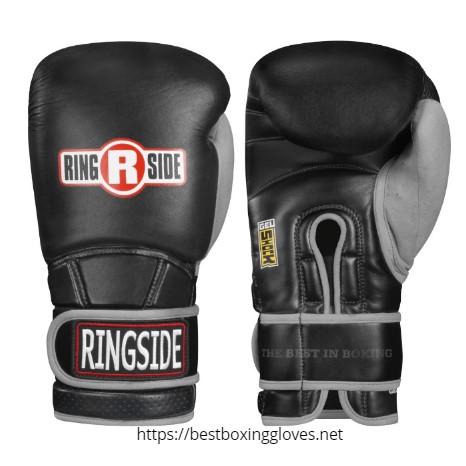

Rating: 4/5 — Best for heavy bag workouts and knuckle protection
Now, heavy bag training tends to expose glove weaknesses fast. Especially if sessions run long—say, 6–8 rounds—and punches start getting sloppy toward the end. That’s where knuckle protection becomes obvious.
Pros
- Gel Shock padding absorbs repeated impact
- Strong for high-volume training (3–4 sessions/week)
- Secure Velcro closure
- Price typically under $80 USD
Cons
- Bulkier profile limits sparring use
- Less precision for advanced combinations
The gel layer changes how impact feels—less sharp, more muted. Not dramatic at first, but noticeable after longer sessions. What tends to happen is reduced knuckle soreness over time, especially for beginners still adjusting hand wrapping techniques.
These gloves work best when training leans heavily toward bag work rather than partner drills.
2. Ringside Heavy Hitter Gloves Review
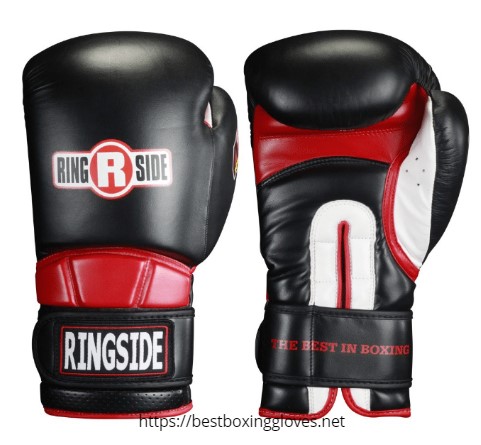
Rating: 5/5 — Best for advanced power training
Some gloves feel soft. Others feel like tools.
This falls into the second category.
Pros
- Thick IMF padding (injected molded foam)
- Durable outer construction
- Strong wrist stabilization
- Built for high-impact sessions
Cons
- Higher price (often near $120 USD)
- Break-in period feels stiff
These gloves are designed for force—not speed. Punches land with a dense, controlled feel. Less bounce, more absorption. That matters when power training becomes a focus rather than just conditioning.
In practice, these gloves suit experienced fighters or anyone training with intensity close to amateur competition levels. Beginners sometimes find them “too much” at first—stiff, slightly unforgiving—but that changes after a few weeks.
3. Ringside Apex Flash Sparring Gloves Review
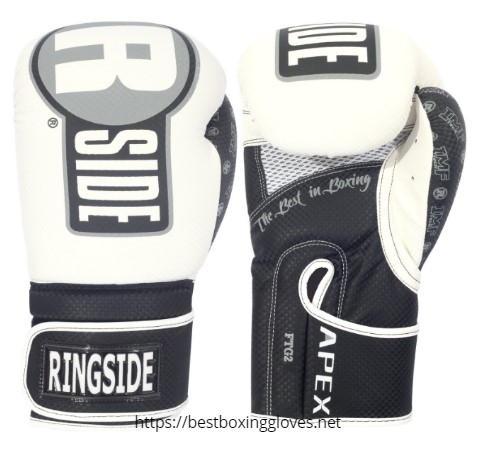
Rating: 4/5 — Best for beginner to intermediate sparring
Sparring introduces a different problem: control. Not just protecting hands, but protecting training partners.
Pros
- Lightweight feel
- Breathable interior
- Affordable pricing tier
- Common in recreational gyms
Cons
- Durability trails higher-end models
- Padding softens faster over time
These gloves lean toward accessibility. You’ll see them often in community gyms where people rotate in and out of sparring sessions without heavy investment in gear.
The lighter structure makes movement easier—hands stay active, combinations flow better. But after a few months of regular use, padding tends to compress. Not unusable, just… noticeably different.
4. Ringside Pro Style Boxing Training Gloves Review
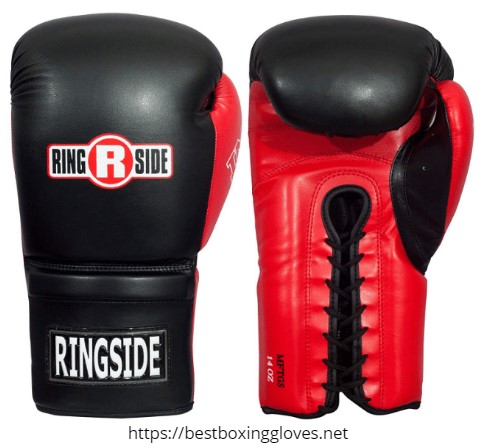
Rating: 4/5 — Best for all-purpose training
This is the glove many people start with—and for good reason.
Pros
- Versatile for bag and mitt work
- Affordable (often under $60 USD)
- Easy Velcro system
- Widely available
Cons
- Wrist support feels basic
- Not ideal for heavy sparring
These gloves don’t specialize. And that’s exactly the point.
For someone starting boxing as part of a fitness routine—maybe after New Year’s, maybe after watching a fight that sparked interest—these gloves cover most needs. Bag work, mitts, light drills… all handled reasonably well.
What tends to happen, though, is outgrowing them. Not immediately, but after consistency builds.
5. Ringside Lace IMF Tech Training Gloves Review
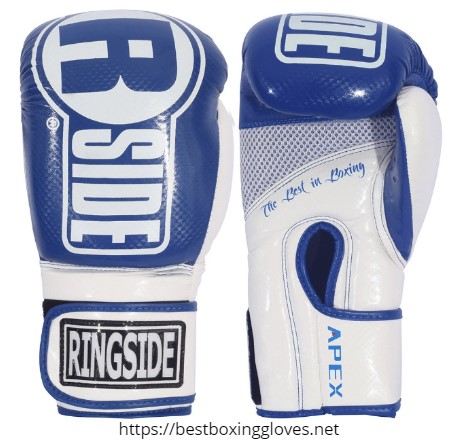
Rating: 5/5 — Best for serious sparring
Lace-up gloves change the experience entirely. Not always convenient—but noticeably different.
Pros
- Tight, secure wrist alignment
- IMF foam offers consistent padding
- Pro-style structure
- Preferred in many gyms for sparring
Cons
- Requires assistance to lace
- Higher price range
Wrist support here feels locked in. Not restrictive, just stable. That becomes especially important during sparring exchanges where punches land at awkward angles.
Many U.S. coaches favor lace-ups for safety reasons. Less wrist movement means fewer injuries—simple as that.
The trade-off is convenience. You can’t just throw these on between rounds. Someone needs to lace them up properly.
6. Ringside Apex Boxing Kickboxing Muay Thai Training Gloves Review
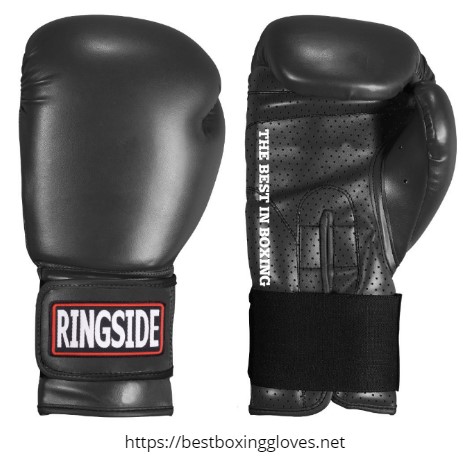
Rating: 4/5 — Best for multi-discipline training
Not everyone sticks to pure boxing. And gloves don’t always adapt well across styles.
Pros
- Flexible wrist allows clinch movement
- Suitable for boxing and Muay Thai
- Budget-friendly option
- Lightweight feel
Cons
- Less specialized for boxing sparring
- Padding distribution feels different
These gloves accommodate mixed striking—kickboxing classes, Muay Thai drills, cardio sessions. The wrist flexibility helps when transitioning between strikes and clinch work.
But pure boxers sometimes notice the difference. The structure doesn’t feel as “tight” or punch-focused.
7. Ringside Extreme Fitness Boxing Gloves Review
Rating: 5/5 — Best for fitness boxing and beginners
Some gloves exist purely to make training approachable. These fit that role.
Pros
- Lightweight and comfortable
- Affordable entry-level pricing
- Simple Velcro closure
- Ideal for group classes
Cons
- Limited durability for intense training
- Not suited for competitive sparring
Perfect for:
- Home workouts
- Fitness classes
- Occasional bag sessions
These gloves prioritize comfort over performance. And honestly, that’s not a bad thing—especially early on.
How to Choose the Right Ringside Gloves in the U.S.
1. Choose the Right Weight
Glove weight directly impacts protection, speed, and gym compliance.
| Weight | Use Case | Typical Scenario |
|---|---|---|
| 12 oz | Light bag work | Faster combinations, conditioning |
| 14 oz | General training | Balanced sessions (bag + mitts) |
| 16 oz | Sparring | Required in most U.S. gyms |
Heavier gloves slow punches slightly—but protect both hands and partners better. Most gyms enforce 16 oz for sparring regardless of body weight.
2. Pick Closure Type
Closure type affects convenience and wrist stability.
| Type | Best For | Limitation |
|---|---|---|
| Velcro | Solo training | Less wrist support |
| Lace-up | Sparring | Requires assistance |
Velcro dominates everyday training. Lace-up gloves, though, shift wrist alignment in a noticeable way.
3. Match Your Training Style
This is where things usually get misjudged.
People often pick gloves based on price or appearance. Training style matters more.
- Heavy bag focus → Gel Shock or Heavy Hitter
- Sparring sessions → Lace IMF Tech
- Fitness boxing → Extreme Fitness or Apex
- Mixed striking → Apex Muay Thai model
The mismatch shows up after a few weeks. Gloves either feel perfect—or slightly wrong every session.
Ringside Gloves vs Other U.S. Brands
Ringside offers stronger padding and better value than Everlast, while remaining more affordable than Cleto Reyes.
Here’s how it typically plays out:
- Everlast: widely available, but durability varies across models
- Cleto Reyes: premium leather, higher cost ($150–$250 USD)
- Hayabusa: modern design, higher-tech features, higher pricing
Ringside sits in the middle. Not luxury. Not disposable.
For most recreational and intermediate boxers in the U.S., that middle ground ends up being the most practical.
Final Verdict: Which Ringside Gloves Are Best?
Best Overall: Ringside Heavy Hitter Gloves
Best for Sparring: Ringside Lace IMF Tech Gloves
Best Budget Option: Ringside Pro Style Training Gloves
Best for Fitness: Ringside Extreme Fitness Gloves
Consistency changes how gear feels. A glove that seems fine during the first week can feel completely different after 20 sessions—padding softens, wrist support loosens, comfort shifts in subtle ways.
Ringside gloves tend to hold their shape longer than most in the same price range. Not perfect, not elite—but reliable in a way that matters more over time.
If training happens regularly and budget stays under $150 USD, this brand continues to land in that practical sweet spot where performance and cost stop fighting each other.