
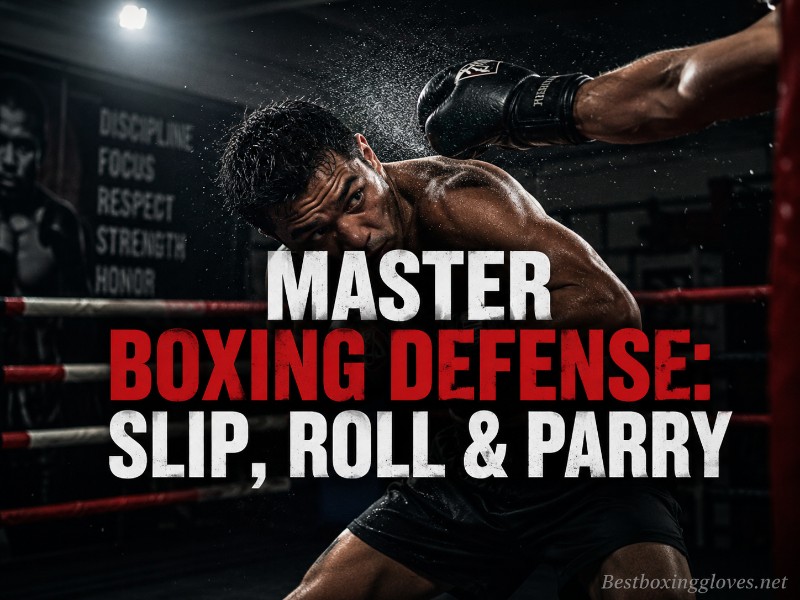

Step into almost any serious boxing gym in the United States, and one lesson appears early: getting hit less matters just as much as hitting harder.
Modern boxing has moved far beyond the old stereotype of trading punches until someone falls. Today, elite fighters build careers on defensive boxing skills, efficient movement, and tactical awareness. Floyd Mayweather Jr. became one of the most successful fighters in history largely because opponents struggled to land clean shots. Muhammad Ali turned head movement and ring intelligence into weapons. Across amateur programs sanctioned by USA Boxing and prestigious tournaments such as the Golden Gloves, defense remains a cornerstone of development.
The growing popularity of American boxing gyms in cities such as New York, Chicago, Los Angeles, and Las Vegas has also increased interest in boxing defense techniques. Televised events on ESPN, major pay-per-view cards, and social media breakdowns regularly highlight defensive mastery alongside offensive highlights.
Defense delivers two major benefits. First, it improves competitive success by creating opportunities for counters and controlling the pace of a fight. Second, it reduces cumulative damage. Effective head movement, footwork, and defensive reflexes help limit clean impacts, supporting longer amateur and professional careers.
At its highest level, boxing is often described as physical chess. Defensive maneuvers are the pieces that allow you to stay several moves ahead.
The Fundamentals of Defensive Maneuvers in Boxing
Defensive positioning creates the foundation for every advanced defensive skill.
Before learning slipping punches, rolling punches, or parrying punches, you need balance, stance alignment, and an effective guard position. Without those elements, even technically correct movements become inefficient.
In most boxing fundamentals programs, coaches emphasize three principles:
- Maintaining balance
- Protecting the centerline
- Staying ready to counter
Your center of gravity plays a critical role. If defensive movement pulls your weight too far forward or backward, recovery becomes slower and counterattacks become difficult.
Olympic boxing programs and USA Boxing coaching systems frequently stress defensive transitions. Instead of treating defense and offense as separate actions, skilled fighters blend them together. A slip becomes a counterpunch. A roll becomes a pivot step. A parry creates an opening.
Core Components of Beginner Boxing Defense
| Element | Purpose | Common Benefit |
|---|---|---|
| Guard structure | Protects head and torso | Reduces clean impacts |
| Stance alignment | Maintains balance | Faster recovery |
| Shoulder rotation | Supports defense and counters | Improved efficiency |
| Footwork | Creates angles | Better positioning |
| Reaction timing | Improves defensive success | More counter opportunities |
A noticeable difference between beginners and experienced fighters is that experienced fighters rarely look rushed. Their defensive positioning in boxing allows movement to happen naturally because balance remains intact.
Slipping: Precision Head Movement
Slipping punches is one of the most recognizable forms of boxing head movement basics.
A slip occurs when you move your head slightly outside the punch trajectory while maintaining position to counter. The movement is subtle. Large dramatic motions often create new vulnerabilities.
Against a jab, you typically slip either inside or outside. Against power punches, the movement tends to become slightly deeper while preserving defensive rhythm.
Floyd Mayweather Jr. used compact slips with exceptional efficiency. Mike Tyson combined aggressive slips with explosive counters, turning defense into immediate offense.
How to Slip Punches Effectively
The mechanics are straightforward:
- Keep your guard high.
- Rotate your hips and shoulders slightly.
- Move your head just beyond the punch line.
- Maintain balance.
- Return to position or counter.
The key word is “just.”
Many beginners overreact and move too far. That extra movement wastes energy and creates openings.
Slip-and-Counter Boxing
The most effective slips often end with a counter hook, jab, or straight right hand.
A common example looks like this:
- Opponent throws a jab.
- You slip outside.
- You return with a straight counter.
This sequence develops ring IQ because it trains anticipation rather than simple reaction.
Head Movement Drills
Popular boxing reflex training methods include:
- Slip rope drill
- Double-end bag work
- Partner reaction drills
- Shadowboxing with defensive cues
Everlast and Title Boxing training equipment frequently appears in these sessions because both brands produce tools specifically designed for defensive practice.
Over time, reaction time improves and defensive movement becomes instinctive rather than deliberate.
Rolling: The Shoulder Roll Technique
The shoulder roll boxing style remains one of the most misunderstood defensive systems in the sport.
Many fans associate it exclusively with Floyd Mayweather Jr., but the concept extends much further. Fighters such as Pernell Whitaker also demonstrated exceptional rolling mechanics.
A roll redirects force instead of absorbing it directly.
Traditional Shoulder Roll Defense
In a classic defensive shell, your lead shoulder rises to protect the chin while your rear hand guards the opposite side of the head.
When a punch arrives:
- The shoulder deflects impact.
- Torso rotation reduces force.
- Your body remains positioned for a counter.
The result is efficient defense with minimal wasted movement.
Bob and Weave Technique
Rolling also includes the bob and weave technique.
Rather than shifting sideways, you move underneath punches in a U-shaped path. This movement combines knee flexion, torso rotation, and centerline control.
Many coaches compare the motion to passing beneath a low rope without touching it.
Defensive Counters from a Roll
One advantage of rolling punches is the ability to launch immediate counters.
Common examples include:
- Pivot counter hooks
- Body shots
- Uppercuts
- Straight rights
In many Las Vegas boxing gyms, defensive drills focus heavily on transitioning directly from a roll into offense because professional boxing rewards clean counterpunching opportunities.
Showtime Boxing broadcasts often highlighted this principle during technical championship bouts.
Parrying: Redirecting Incoming Punches
Parrying punches relies on precision rather than avoidance.
Instead of moving the head or torso away from a strike, you redirect the incoming punch with your hands.
Bernard Hopkins built much of his defensive reputation on intelligent hand control and tactical discipline. His ability to disrupt rhythm through subtle parries frustrated opponents repeatedly.
Boxing Parry Technique
The most common example involves parrying a jab.
As the jab approaches:
- Use the lead hand.
- Apply a small outward motion.
- Redirect the punch.
- Maintain position for a counter.
The movement remains compact. Large swatting motions often expose the face and waste energy.
Cross Parry Technique
Against straight rear-hand punches, the rear hand typically performs the parry while preserving defensive structure.
Timing matters more than force.
A well-timed touch can neutralize a powerful punch with surprisingly little effort.
Why Parrying Conserves Energy
Compared with constant evasive movement, parrying often requires less physical expenditure.
This efficiency becomes valuable during long sparring sessions and extended professional contests.
USA Boxing coaching manuals and Olympic boxing coaches frequently emphasize defensive timing because it allows athletes to conserve energy while maintaining control.
At Gleason’s Gym and similar historic training centers, hand-fighting drills remain a staple for developing wrist control, lead hand control, and punch redirection skills.
Integrating Slipping, Rolling, and Parrying in Combination
Elite defense rarely depends on a single technique.
Instead, advanced boxing defense blends multiple reactions into one fluid sequence.
Canelo Álvarez and Terence Crawford provide excellent modern examples. Both fighters adjust constantly based on opponent tendencies and fight strategy.
Combination Defense in Action
A defensive chain might look like this:
- Parry the jab.
- Slip the cross.
- Roll under the hook.
- Counter with a combination.
The sequence unfolds within seconds.
That fluidity comes from repetition, ring awareness, and adaptive movement rather than memorization.
Reading Opponent Patterns
The strongest defensive fighters notice habits.
Some opponents jab before every power punch. Others reset their feet in predictable ways.
As those patterns become clear, defensive reactions become more efficient.
At events such as the USA Boxing National Championships and major Top Rank Boxing cards, high-level competitors often win exchanges because they recognize tendencies earlier than their opponents.
Madison Square Garden has hosted countless examples of this tactical battle playing out under the brightest lights.
Comparison of Defensive Techniques
| Technique | Primary Purpose | Risk Level | Counter Potential | Learning Difficulty |
|---|---|---|---|---|
| Slipping | Avoid punch line | Moderate | High | Moderate |
| Rolling | Deflect and absorb force | Moderate | High | High |
| Parrying | Redirect punches | Low to Moderate | Moderate | Moderate |
A practical observation emerges from years of coaching analysis and fight study: slipping often looks the most dramatic, rolling tends to be the most technical, and parrying is frequently the most underrated. Each skill solves a different problem inside the ring.
Training Drills for Defensive Maneuvers
Skill development depends on repetition.
Most American boxing gyms use structured drills designed to sharpen defensive reflexes under pressure.
Slip Rope Drill
The slip rope drill remains one of the most effective defensive exercises.
A rope stretches across the gym at shoulder height. You move beneath it while maintaining stance, balance, and guard.
The drill develops:
- Head movement
- Footwork
- Defensive rhythm
- Body control
Heavy Bag Defensive Drills
Heavy bags are not just for punching.
Many coaches teach athletes to throw combinations, move defensively, and reset angles around the bag.
Mitt Training and Partner Work
Partner drills improve reaction speed because punches arrive from unpredictable angles.
Mitt training often combines:
- Slips
- Rolls
- Parries
- Counter sequences
Conditioning for Defensive Endurance
Defensive movement becomes less effective when fatigue accumulates.
Popular conditioning tools include:
- Agility ladder drills
- Shadowboxing rounds
- Interval conditioning
- Reflex ball training
Facilities such as Title Boxing Club frequently integrate conditioning concepts borrowed from CrossFit-style workouts to improve endurance and athletic performance. Equipment from Everlast and Under Armour also remains common throughout the United States boxing scene.
Defensive Maneuvers in Amateur vs. Professional Boxing
Defensive priorities change depending on competition format.
Amateur Boxing Defense
USA Boxing events, Golden Gloves tournaments, and Olympic Games competition emphasize speed, activity, and scoring efficiency.
Amateur bouts are shorter, making fast defensive exchanges particularly valuable.
Scoring criteria often reward clean, visible punches, so defensive positioning that creates immediate counters can be highly effective.
Professional Boxing Defense Strategy
Professional boxing places greater emphasis on damage accumulation, pacing, and long-term tactical control.
Professional contests can extend to 12 rounds. Energy management becomes critical.
Fighters frequently rely on:
- Defensive shells
- Strategic parrying
- Efficient head movement
- Counter-focused approaches
Key Differences
| Factor | Amateur Boxing | Professional Boxing |
|---|---|---|
| Bout duration | Shorter | Longer |
| Pace | Higher output | More strategic pacing |
| Defensive focus | Scoring exchanges | Damage reduction |
| Regulatory oversight | USA Boxing | Fight commissions such as the Nevada State Athletic Commission |
ESPN analysts regularly highlight these differences when evaluating athletes transitioning from amateur success into professional competition.
Injury Prevention and Long-Term Health
One of the most important benefits of defense involves injury reduction.
Proper boxing defense techniques reduce the number of clean impacts absorbed over time.
According to research and guidance from organizations including the Centers for Disease Control and Prevention (CDC), Mayo Clinic, Cleveland Clinic, and the American Academy of Neurology, repeated head impacts increase neurological risks.
How Defense Reduces Risk
Effective defensive movement supports:
- Impact absorption
- Reduced concussion exposure
- Lower traumatic brain injury risk
- Better long-term neurological health
Head movement does not eliminate danger, but it significantly improves your ability to avoid direct contact.
Smart Training Matters
Protective training also includes:
- Controlled sparring
- Medical oversight
- Recovery periods
- Concussion protocol compliance
In practice, the athletes who remain active longest often combine technical skill with disciplined training habits.
Choosing the Right Boxing Gear for Defensive Training
Equipment can accelerate defensive development when chosen carefully.
Recommended Defensive Training Gear
| Gear | Typical USD Range | Purpose |
|---|---|---|
| Sparring gloves | $50-$200 | Protection during partner work |
| Protective headgear | $40-$180 | Reduced facial impact |
| Hand wraps | $10-$25 | Wrist support |
| Reflex ball | $10-$40 | Reaction training |
| Mouthguard | $15-$60 | Oral protection |
Brands such as Everlast, Title Boxing, and Venum offer options across multiple price points. Retailers including Amazon and Dick’s Sporting Goods provide broad availability for beginners and experienced athletes alike.
For most newcomers, durable sparring gloves, quality hand wraps, and reliable headgear deliver the greatest value.
Applying Defensive Maneuvers Beyond the Ring
Defensive boxing skills extend beyond competitive fighting.
Fitness boxing classes across the United States increasingly teach slipping, rolling, and parrying as part of broader conditioning programs.
Fitness and Stress Relief
Defensive movement improves:
- Cardio conditioning
- Coordination
- Balance
- Mental focus
Many participants report that learning defensive patterns provides a productive outlet for stress relief training.
Self-Defense Awareness
Boxing is not a complete self-defense system, but defensive awareness translates well into real-world movement and reaction skills.
Timing, distance management, and situational awareness remain valuable athletic attributes.
Community and Discipline
Organizations and facilities such as USA Boxing, YMCA programs, Planet Fitness partnerships, and Title Boxing Club locations continue introducing new participants to the sport.
Community gym culture often becomes just as important as physical development. The discipline required to improve defensive reflexes tends to carry into other areas of life as well.
Conclusion
Defensive excellence separates good boxers from complete boxers.
Slipping punches develops precision. Rolling punches teaches efficient impact management. Parrying punches creates opportunities through intelligent redirection. Together, these skills form the backbone of advanced boxing defense.
From Olympic boxing programs and Golden Gloves tournaments to championship fights in Las Vegas, defensive mastery remains a defining characteristic of successful athletes. Better ring IQ, sharper footwork, stronger defensive reflexes, and smarter counterpunching all begin with the same principle: avoid damage while creating opportunities.
The result is more than competitive success. Effective defense supports skill development, career longevity, and long-term health. In modern American boxing, that combination remains one of the sport’s most valuable advantages