
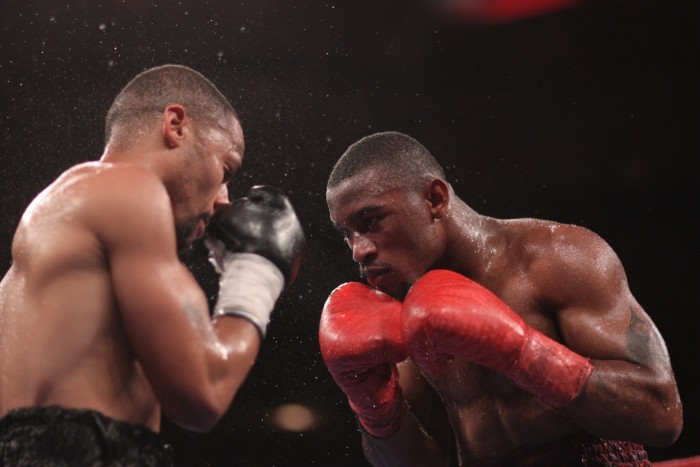

Boxing won’t add inches to your skeleton. But it can absolutely change how you carry your body — and for a lot of people, that difference is more visible than they’d expect.
Does boxing make you taller? Boxing does not increase skeletal height. Your maximum height is determined by genetics and the closure of your growth plates, typically by your late teens. However, boxing training can significantly improve posture, core strength, and spinal alignment — changes that make many people appear noticeably taller without any actual bone growth.
Key Takeaways
- Boxing does not cause skeletal growth — no exercise can override your genetic height potential once growth plates close.
- Improved posture from boxing training can make you appear 1–2 inches taller without any change in actual height.
- Boxing is safe for teenagers when practiced with proper coaching and protective equipment, and does not damage growth plates.
- Genetics accounts for roughly 60–80% of your final adult height, according to research from the NIH.
- Supporting healthy growth in children requires adequate sleep (8–10 hours for school-age kids), balanced nutrition, and regular physical activity — boxing can be part of that picture.
Does Boxing Make You Taller? The Short Answer
Boxing does not make you taller. No exercise does.
Your height is largely locked in by your genes and finalized when your growth plates — the cartilage zones at the ends of your long bones — harden and close. That typically happens between ages 16 and 18 in girls and 18 and 21 in boys. After that point, no amount of training, stretching, or supplementation adds to your skeletal height.
What boxing does do is change your physical presentation. Boxers develop strong posterior chains, open chests, and upright spines. Someone who trains boxing consistently often stands an inch or two taller than they did before — not because they grew, but because they stopped slouching. That distinction matters, and it’s probably the reason this myth has staying power on social media.
What Actually Determines Your Height?
Genetics Plays the Biggest Role
Your parents’ heights are the single strongest predictor of yours. According to NIH research, genetics account for approximately 60–80% of the variation in adult height across populations. The remaining 20–40% comes from environmental factors — nutrition, sleep, physical activity, and overall health during childhood and adolescence.
If both your parents are 5’4″, boxing three times a week isn’t going to get you to 6’0″.
Nutrition During Childhood and Adolescence
Adequate nutrition during the growing years is one of the few environmental factors that genuinely influences height. Protein supports muscle and bone tissue development. Calcium and vitamin D are necessary for bone mineralization — without enough of both, bones don’t reach their full genetic potential.
The U.S. Dietary Guidelines recommend 1,300 mg of calcium daily for adolescents ages 9–18. Good sources available in most American grocery stores include dairy products, fortified orange juice, leafy greens like kale, canned sardines, and fortified cereals. Vitamin D pairs with calcium to support absorption — fatty fish, egg yolks, and fortified milk cover most of that.
Chronic malnutrition during childhood is one of the documented causes of stunted growth. Boxing, or any demanding sport, actually increases nutritional demands — which is something parents of young athletes should keep in mind.
Growth Hormones and Puberty
Human Growth Hormone (HGH) is released by the pituitary gland and stimulates bone elongation at the growth plates. Insulin-like Growth Factor-1 (IGF-1), produced largely in the liver in response to HGH, also drives bone and tissue growth. Both are most active during puberty.
Exercise, including boxing, can produce short-term spikes in HGH — but there’s an important distinction here. A training-induced HGH spike doesn’t translate into taller bones. It supports recovery, muscle development, and metabolic health. The growth plates close on their own hormonal timeline, and no external training schedule changes that.
How Boxing Affects the Body
Muscle Development
Boxing builds lean muscle across the entire body — not just the arms. Footwork drills and constant movement develop the legs and glutes. Punching mechanics engage the core, obliques, and shoulders. Regular bag work and pad work produce muscular endurance rather than bulk, which tends to elongate the physique visually.
Bone Density
Weight-bearing exercise, including boxing, stimulates bone remodeling and increases bone density over time. This is a real and meaningful health benefit — denser bones are more resistant to fracture and are associated with lower osteoporosis risk later in life. But denser bones are not longer bones. Bone density and bone length are separate things.
Cardiovascular Health
Boxing is one of the more demanding cardiovascular workouts available. Three-minute rounds with active recovery periods train the aerobic and anaerobic systems simultaneously. The American Heart Association notes that regular aerobic exercise reduces the risk of heart disease, high blood pressure, and type 2 diabetes — benefits that extend well beyond what the sport looks like from the outside.
Mobility and Flexibility
The full range of motion required in boxing — hip rotation, shoulder extension, lateral movement — actively maintains and often improves joint mobility. Fighters who train consistently tend to retain better flexibility into middle age compared to sedentary peers.
Can Boxing Help Teenagers Grow Normally?
Does Boxing Damage Growth Plates?
This is probably the most common fear parents have, and it’s worth addressing directly. Growth plates are not damaged by regular boxing training. The concern comes from high-impact contact sports, particularly those involving repetitive joint loading or falls — but boxing, when practiced under proper supervision, doesn’t fit that profile.
Pediatric sports medicine organizations, including the American Academy of Pediatrics, consistently note that physical activity during adolescence supports healthy development. The risk isn’t from boxing itself — it’s from unsupervised sparring, mismatched competition, or overtraining without adequate recovery.
Safe Youth Boxing Practices
USA Boxing, the national governing body for amateur boxing in the United States, has established age-appropriate training guidelines that emphasize technical skill development over heavy sparring for younger athletes. Proper headgear, mouthguards, and supervision from certified coaches significantly reduce injury risk.
Youth boxing programs that focus on footwork, pad work, and bag work — rather than competitive sparring — give adolescents the fitness benefits without meaningful injury exposure.
Importance of Recovery
Teenagers need more recovery time than adults. Growing bodies are already under significant metabolic demand from puberty itself. Training 3–4 days per week with rest days between sessions supports development. Every night of 8–10 hours of sleep (the CDC’s recommendation for school-age children) is where actual physical restoration happens — more on that below.
Why Boxing May Make You Look Taller
Better Posture
Most people walk around with what trainers call “tech neck” — head forward, shoulders rounded, upper back hunched. A single year of boxing training addresses nearly all of this. The defensive stance requires a neutral spine. Jab mechanics train the shoulders back and down. Slipping and rolling drills strengthen the deep stabilizing muscles of the cervical and thoracic spine.
Stand up straight after a year of that, and the difference is visible. The physical change is real even if the skeletal measurement is identical.
Core Strength
Core strength and posture are tightly linked. A weak core means the spine relies on passive structures — ligaments and connective tissue — to stay upright, which it does imperfectly. Boxing’s rotation-heavy movements build the obliques and transverse abdominis specifically, which are the muscles that hold the spine in its natural upright curve.
Improved Flexibility
Tight hip flexors — common from prolonged sitting — pull the pelvis into an anterior tilt, which compresses the lumbar spine and shortens apparent standing height. Boxing’s footwork patterns and the hip rotation involved in power punching work directly against this. Loosening those hip flexors doesn’t make bones longer, but it does let you stand at your actual full height rather than a compressed version of it.
Other Lifestyle Factors That Support Healthy Growth
Sleep Quality
Sleep is the single most underrated growth factor for adolescents. HGH is released in its highest concentrations during deep sleep stages — not during exercise. The CDC recommends 8–10 hours of sleep per night for children ages 6–12 and 8–10 hours for teenagers. Chronic sleep deprivation during the growing years genuinely does limit growth potential.
Balanced Nutrition
Beyond calcium and vitamin D, zinc plays an underappreciated role in growth. Zinc deficiency is associated with growth impairment in children, and it’s more common than most parents realize. Foods like lean beef, pumpkin seeds, and beans are reliable sources available in most American households. Protein intake matters too — aiming for around 0.8–1.0 grams per pound of body weight supports both muscle development and tissue repair during the growth years.
Regular Exercise
The 2018 Physical Activity Guidelines for Americans recommend that children and adolescents ages 6–17 get at least 60 minutes of moderate-to-vigorous physical activity daily. Boxing easily satisfies this. The combination of aerobic conditioning, strength work, and skill development makes it one of the more complete options for young athletes.
Stress Management
Chronic stress elevates cortisol, which suppresses HGH release. For teenagers, this matters more than most realize. Competitive pressure, academic stress, and social anxiety all have downstream effects on hormone balance. Physical activity — boxing included — is one of the more effective cortisol regulators available.
Common Myths About Boxing and Height
| Myth | Reality |
|---|---|
| Boxing makes you taller | It improves posture, not bone length |
| Heavy punching stops growth | No evidence this occurs with proper technique and supervision |
| Stretching after boxing adds inches | Flexibility improves apparent height; it does not increase skeletal length |
| Supplements can increase adult height | No supplement increases height after growth plates close; most height-supplement claims are unsupported |
Frequently Asked Questions About Boxing and Height
Does boxing increase HGH?
Yes — short-term. High-intensity exercise including boxing produces temporary HGH spikes. These support muscle recovery and metabolic health but do not stimulate skeletal growth after the growth plates have closed.
Can adults grow taller from boxing?
No. Once growth plates close — typically by the early 20s at the latest — skeletal height is fixed. Adults can improve posture and appear taller, but actual height increase is not possible through any exercise.
Is boxing safe during puberty?
Yes, with appropriate supervision. Technical training, bag work, and pad work carry very low injury risk. Competitive sparring should be age-matched and supervised by certified coaches.
Does jump rope make you taller?
No. Jump rope is excellent cardiovascular conditioning and develops coordination and calf strength, but it does not influence skeletal growth. The persistent belief that skipping rope increases height lacks scientific support.
What exercises actually improve posture?
Dead hangs, rows, face pulls, and any exercise that strengthens the posterior chain (back, glutes, hamstrings) address the muscle imbalances behind poor posture. Boxing training covers most of these indirectly.
Is boxing better than weightlifting for growth?
Neither increases height. Both support bone density, cardiovascular health, and muscle development. For adolescents, boxing may offer a slight edge in terms of full-body coordination and movement pattern variety. For bone density specifically, weight-bearing resistance training has strong research support.
Final Verdict: Does Boxing Make You Taller?
Boxing does not increase your height. That answer hasn’t changed and won’t change — it’s a matter of bone biology, not training philosophy.
What boxing genuinely delivers is a physical transformation that reads as taller: better posture, a stronger core, improved flexibility, and the kind of upright body language that comes from training with your spine in a neutral position for months on end. For teenagers, it supports healthy physical development without meaningful risk to growth plates, provided training is supervised and age-appropriate.
If someone tells you boxing added two inches to their height, what they almost certainly mean is that it fixed two inches of slouch. That’s real — and honestly, for most people, it’s more immediately visible than an extra inch of bone would be anyway.
Focus on the habits that actually support healthy growth — adequate sleep, solid nutrition, regular exercise, and stress management. Boxing can be part of all of that. Just don’t expect it to override your genetics