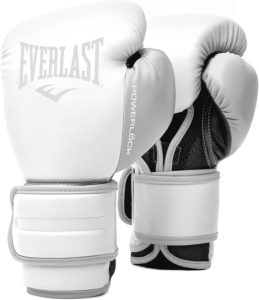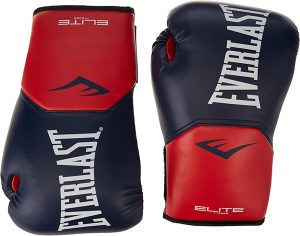


A boxing glove can make a fighter feel sharp, protected, and confident, or it can make every round feel like a small argument with sore knuckles. That sounds dramatic until you spend 8 rounds on a heavy bag with gloves that collapse at the wrist, slide around the thumb, or feel like pillows with a logo stamped on top.
Everlast and Cleto Reyes dominate different corners of the boxing glove market. Everlast owns the accessible, American, beginner-to-gym-fighter lane. Cleto Reyes owns the premium, handcrafted, professional-fight-culture lane. The better brand depends on what you need from the glove: price, padding, feedback, durability, comfort, or that old-school fighter feel.
For beginners, amateurs, fitness boxers, and professional fighters in the United States, the comparison usually comes down to one practical question: do you want a glove that gets you training affordably, or a glove that feels closer to the sharp end of boxing tradition?
1. Everlast vs. Cleto Reyes Boxing Gloves: Brand Heritage and Reputation
Everlast has stronger mainstream recognition in the United States, while Cleto Reyes carries deeper prestige among serious boxing people. That split explains almost every debate between these two brands.
Everlast started in New York in 1910, and its connection to American boxing culture became especially strong after producing gear for champions across the 20th century [1]. The brand became part of the sport’s visual language. You see the name in gyms, sporting goods stores, fitness studios, garage setups, and old fight photos. It feels familiar even to people who have never wrapped their hands properly.
Cleto Reyes comes from a different tradition. The Mexican brand traces its boxing glove legacy to the 1940s, with handmade leather gloves becoming famous for professional competition [2]. In boxing circles, “Reyes” doesn’t just mean a glove. It means puncher’s gloves, sharp feedback, horsehair tradition in fight gloves, and a certain no-nonsense feel.
The fighter associations matter too. Muhammad Ali fought in Everlast gear during iconic eras, giving the brand huge cultural weight. Cleto Reyes has been worn by many elite fighters in major bouts, especially punchers who wanted clean impact and crisp response. Floyd Mayweather Jr. is more complex as a gear reference because his glove choices changed across opponents and contracts, but his name still gets pulled into glove conversations because elite fighters make glove selection part of strategy, not decoration.
For US consumers, Everlast wins recognition at first glance. Cleto Reyes wins respect after someone has spent enough rounds around competitive boxing gyms.
2. Build Quality and Materials: Which Gloves Last Longer?
Cleto Reyes usually lasts longer because its premium leather construction, dense stitching, and handcrafted build handle serious training better than most entry-level Everlast gloves. That said, Everlast’s higher-end leather gloves are much better than the cheap pairs people complain about after three months.
Everlast covers a wide range. At the low end, you’ll find synthetic gloves built for fitness boxing, casual bag work, and beginners who are testing the sport. These gloves often cost less, feel softer out of the box, and look good on day one. After months of heavy bag rounds, though, the padding can flatten, the lining can tear, and the wrist strap can lose that firm bite.
Premium Everlast models use better leather, improved foam, and stronger construction. Those gloves sit in a different category from the $30 department-store pair. The mistake many buyers make is treating all Everlast gloves as one thing. They’re not. Everlast is more like a large menu, and some items are quick snacks while others are proper meals.
Cleto Reyes feels more focused. The brand’s traditional training gloves are known for leather exteriors, tight stitching, and a firm hand compartment. The leather takes abuse well. The glove usually looks better after breaking in, not worse, which is a very boxing thing. Gear that earns wrinkles has a different charm.
Here’s the practical difference most boxers notice:
| Category | Everlast Boxing Gloves | Cleto Reyes Boxing Gloves | Practical Commentary |
|---|---|---|---|
| Main materials | Synthetic leather on budget models; genuine leather on premium lines | Premium leather, usually handmade | Everlast quality depends heavily on model. Reyes feels more consistent across premium gloves. |
| Stitching | Basic to strong, depending on price tier | Dense and durable | Reyes stitching tends to survive hard gym use better. |
| Padding feel | Softer and more forgiving on many beginner gloves | Firmer, sharper, more responsive | Everlast protects newer hands more gently. Reyes gives more honest punch feedback. |
| Wear resistance | Moderate on entry models; good on premium lines | Strong under regular serious use | Reyes wins for long-term training, especially when used by experienced fighters. |
| Best use case | Fitness boxing, beginner training, casual sparring | Serious training, mitts, bag work, competition-style work | Everlast starts the journey well. Reyes feels built for people already deep in it. |
Under heavy bag training, padding density matters. Softer gloves can feel comfortable at first but compress faster when the bag work gets serious. Reyes gloves tend to keep their shape longer, though the firmer padding won’t flatter poor hand position. The glove tells the truth. Sometimes too loudly.
3. Comfort and Fit: Which Brand Feels Better in the Ring?
Everlast feels better for many beginners because the fit is more forgiving, while Cleto Reyes feels better for experienced fighters who prefer a snug, locked-in glove. Comfort depends on hand shape, wraps, and how much punishment the glove sees each week.
Everlast gloves often use ergonomic shapes that make the fist easier to close. For a beginner, that matters. A new boxer already has plenty to think about: chin down, elbows tucked, breathing, foot placement, the strange panic that appears after the third round. A glove that closes naturally reduces one more distraction.
Cleto Reyes gloves feel tighter and more exact. The hand compartment can feel narrow, especially with thick wraps. Some fighters love that. Others try them on and immediately understand why break-in periods exist. Reyes gloves often need rounds before they stop feeling stiff. They don’t give themselves away on the first date.
Wrist support creates another split.
Hook-and-loop vs. lace-up fit
Hook-and-loop gloves favor convenience, while lace-up gloves favor security. Everlast sells plenty of hook-and-loop gloves because they’re easy for solo training. You can tighten them yourself, pull them off between rounds, and move through a fitness class without needing help.
Cleto Reyes offers both hook-and-loop and lace-up options, but the lace-up versions capture the pro boxing mood better. Lace-ups distribute tension cleaner across the wrist. They feel more secure once properly tied. The trade-off is obvious: someone else needs to lace them, or you need lace converters.
In practice, most beginners are happier with hook-and-loop Everlast gloves. Most advanced fighters eventually understand why lace-ups still exist.
Break-in period
Everlast gloves usually feel ready sooner, while Cleto Reyes gloves usually reward patience. Entry-level Everlast gloves feel soft quickly. Cleto Reyes gloves can feel stiff, tight, and almost stubborn during the first sessions.
That stiffness isn’t automatically bad. It’s more like a new pair of leather boots. Annoying at first. Better later. But only if the fit was right to begin with.
4. Performance in Training and Sparring
Everlast delivers safer, more forgiving training performance for newer boxers, while Cleto Reyes delivers cleaner punch feedback and stronger power transfer for experienced fighters. The right pick depends on the kind of training round in front of you.
For heavy bag workouts, Everlast gloves with thick foam padding protect the hands well, especially during high-volume sessions. Fitness boxers at studios like Title Boxing Club often care about comfort, sweat management, and easy wrist closure more than professional-level punch response. Everlast fits that environment naturally.
Cleto Reyes feels different on the bag. Punches land with a sharper sense of contact. The glove doesn’t muffle impact as much. That feedback helps trained fighters judge alignment and power transfer. It also punishes sloppy mechanics faster. Land with a bent wrist and the glove won’t hide the mistake.
For mitt work, Reyes gloves shine. The snap feels crisp. Trainers often hear the difference when punches land clean. Everlast can still perform well here, especially in premium models, but Reyes has that classic “pop” people associate with Mexican-style gloves.
For sparring, padding becomes a bigger conversation. Many Cleto Reyes training gloves are known for a firmer punch feel. That can be great for bag and mitt work, but some gyms prefer more padded gloves for regular sparring. Everlast’s softer training gloves can be more forgiving for partners, especially at beginner and amateur levels.
A few gym-floor observations tend to hold up:
- For heavy bag rounds: Everlast protects newer hands well, while Cleto Reyes gives sharper feedback.
- For mitt work: Cleto Reyes usually feels cleaner and louder on impact.
- For sparring: Everlast often feels safer for beginners, while Reyes works better when both partners know how to control shots.
- For boxing fitness classes: Everlast makes more sense because comfort and cost matter more than professional punch response.
- For competitive preparation: Cleto Reyes feels closer to a serious fighter’s tool, not just a workout accessory.
That last point matters. Some gloves make boxing feel like exercise. Others make it feel like boxing.
5. Price Comparison: Value for Money in the US Market
Everlast offers better entry-level value at roughly $30 to $150, while Cleto Reyes offers better premium value at roughly $150 to $300 or more. Prices change by retailer, model, size, and seasonal discounts, but the market gap stays pretty clear.
Everlast is easier to buy in the United States. Sporting goods stores, online retailers, boxing gyms, and fitness chains commonly carry the brand. A beginner can buy gloves, wraps, and a bag in one trip. That accessibility is part of the value.
Cleto Reyes costs more because the materials and construction sit in a premium category. A $200 glove feels painful to buy when someone isn’t sure whether boxing will last beyond winter. But for a fighter training 4 days a week, the math shifts. A glove that lasts longer and performs better can become cheaper per round.
Best value by fighter type
- Beginners: Everlast gives better value because the startup cost stays low.
- Fitness boxers: Everlast makes more sense because comfort, availability, and easy closures matter most.
- Amateur fighters: Premium Everlast or Cleto Reyes both work, depending on sparring rules and hand comfort.
- Advanced fighters: Cleto Reyes usually delivers more satisfying performance over time.
- Professionals: Cleto Reyes has the stronger reputation for elite-level craftsmanship and punch feedback.
The tricky part is ego. Buying Cleto Reyes too early can feel exciting, but expensive gloves don’t fix bad wrapping, loose wrists, or poor punch placement. A budget glove with disciplined technique beats a premium glove used carelessly.
6. Style and Design: Aesthetic Appeal
Everlast looks modern and accessible, while Cleto Reyes looks traditional and unmistakably boxing-first. Style won’t win rounds, but nobody trains in gear they hate looking at.
Everlast offers more variety in colors, graphics, and modern finishes. Black and gold, white and red, metallic tones, matte textures, oversized logos. The brand understands retail shelves and social media photos. In a fitness studio, Everlast gloves blend naturally with the polished, high-energy atmosphere.
Cleto Reyes goes in the opposite direction. The gloves have a cleaner, classic look. The shape, leather shine, and label placement feel closer to old fight posters than modern gym marketing. Even the louder colors still carry that traditional boxing DNA.
Branding visibility matters in gym culture too. Everlast says, “boxing is open to everyone.” Cleto Reyes says, “someone has been around the sport long enough to care about glove feel.” That sounds snobby, but it’s often true.
At events like Golden Gloves tournaments, glove styles vary by rules, sponsors, and available equipment. Still, the visual contrast remains easy to spot. Everlast feels common and practical. Cleto Reyes feels selective and serious.
7. Pros and Cons of Everlast Boxing Gloves
Everlast boxing gloves work best for beginners, fitness boxers, and budget-conscious US buyers who want accessible gear without overthinking every specification. The brand’s biggest strength is also its biggest weakness: the range is huge, so quality depends heavily on the model.
Pros
- Affordable and widely available in the US: Everlast gloves are easy to find online, in sporting goods stores, and in many gyms.
- Beginner-friendly designs: Softer padding and simple hook-and-loop closures make training less fussy.
- Variety of models for fitness boxing: Bag gloves, training gloves, cardio boxing gloves, and premium leather options cover many use cases.
- Comfortable out of the box: Most entry-level gloves don’t need a long break-in period.
- Strong brand recognition: Everlast carries American boxing history and mainstream trust.
Cons
- Lower durability in entry-level models: Cheap synthetic gloves can wear down fast with heavy bag work.
- Less premium feel than Cleto Reyes: The leather, lining, and hand compartment on lower models don’t feel as refined.
- Performance varies by price tier: A $40 Everlast glove and a premium Everlast glove are not close to the same product.
- Wrist support can feel basic: Some budget models don’t lock the wrist firmly enough for hard punchers.
Everlast is the glove brand many people start with, and honestly, that makes sense. The problem starts when a beginner glove is asked to survive advanced training volume. That’s like using running shoes for roadwork, sparring, and heavy squats. It works until it really doesn’t.
8. Pros and Cons of Cleto Reyes Boxing Gloves
Cleto Reyes boxing gloves work best for serious fighters who want premium materials, strong durability, and crisp punch feedback. They feel less like beginner protection and more like a precise instrument.
Pros
- Premium craftsmanship and durability: Leather construction and strong stitching hold up well under demanding use.
- Preferred by professionals: Reyes has deep credibility in elite boxing environments.
- Excellent punch feedback: The glove lets you feel clean contact, especially on mitts and bags.
- Classic boxing aesthetic: The look is traditional, sharp, and instantly recognizable.
- Strong long-term value: Higher upfront cost can make sense for frequent training.
Cons
- Higher price point: Many models sit around $150 to $300 or more in the US market.
- Longer break-in period: The glove can feel stiff and snug during early sessions.
- Less padding for beginners: Firmer feedback can feel harsh if technique is still developing.
- Narrower fit: Fighters with wider hands may need careful sizing and wrap choices.
- Sparring suitability depends on gym culture: Some coaches prefer softer gloves for partner safety.
Cleto Reyes has a bit of a truth-serum quality. Clean punches feel beautiful. Bad punches feel bad. That’s useful for a seasoned boxer, but it can be rough for someone still figuring out how to land without wrist bend or knuckle discomfort.
9. Everlast vs. Cleto Reyes Boxing Gloves: Which Should You Choose?
You’re better off choosing Everlast as a beginner and Cleto Reyes as a serious fighter, unless your budget, hand shape, or gym rules point in another direction. Glove choice gets easier when training purpose comes first.
For a beginner, Everlast is the cleaner starting point. The gloves cost less, feel comfortable sooner, and don’t punish every small mistake. If you train twice a week, hit the bag, do mitt drills, and maybe take a boxing fitness class, Everlast gives enough performance without turning the purchase into a research project.
For an amateur boxer training regularly, the choice gets more interesting. A premium Everlast glove can make sense for sparring and general gym work. Cleto Reyes makes sense for bag work, mitt work, and fighters who want sharper feedback. Some boxers keep both: softer gloves for sparring, firmer gloves for bag rounds.
For professionals and serious competitors, Cleto Reyes has the stronger case. The glove feels more connected to the punch. The build quality holds up. The fit becomes part of the rhythm after break-in. It’s not necessarily comfortable in a soft way. It’s comfortable in a controlled way, which is different.
For US consumers, availability also matters. Everlast is easier to replace quickly. Cleto Reyes requires more careful buying, especially with sizing, glove weight, and seller authenticity. Counterfeits exist in premium boxing gear markets, so trusted retailers matter.
A practical split looks like this:
- Choose Everlast for: first boxing gloves, fitness classes, budget training, casual heavy bag work, and beginner sparring.
- Choose Cleto Reyes for: serious bag work, mitt sessions, advanced training, traditional boxing feel, and long-term durability.
- Consider both brands for: amateur boxing, mixed gym use, and fighters who want separate gloves for sparring and bag work.
Most people want one glove to do everything. Boxing rarely works that neatly. The glove that protects a beginner during sparring may feel too muted on mitts. The glove that cracks beautifully on the bag may feel too firm for a nervous sparring partner on a Tuesday night.
10. Final Verdict: Which Brand Dominates the Ring?
Cleto Reyes dominates performance and craftsmanship, while Everlast dominates affordability, accessibility, and beginner value. There’s no universal winner because these brands solve different problems.
Everlast is the smarter pick for most new boxers in the United States. It keeps the cost manageable, offers plenty of models, and supports the kind of training most people actually do: bag rounds, fitness classes, basic mitt work, and early sparring. It’s the practical glove brand. Not always glamorous. Often useful.
Cleto Reyes is the better pick when boxing becomes more than a workout. The leather feels better. The punch feedback feels sharper. The glove holds its identity after hard rounds. It asks more from your hands, your technique, and your wallet, but it gives more back when training volume is high.
So, which brand dominates in the ring?
Everlast dominates the entry-level and fitness boxing ring. Cleto Reyes dominates the serious training and professional-performance ring. For your first pair, Everlast usually makes more sense. For the pair that feels like a long-term boxing tool, Cleto Reyes has the edge.
The smartest glove choice comes down to where the rounds happen. A fitness studio, a garage bag, a competitive boxing gym, and a sanctioned fight all ask different things from your hands. Pick the glove that matches that reality, not the one that looks best in a cart at midnight.
Sources:
[1] Everlast, official brand history.
[2] Cleto Reyes, official company history and glove manufacturing background.
[3] USA Boxing, amateur boxing equipment and safety guidance.