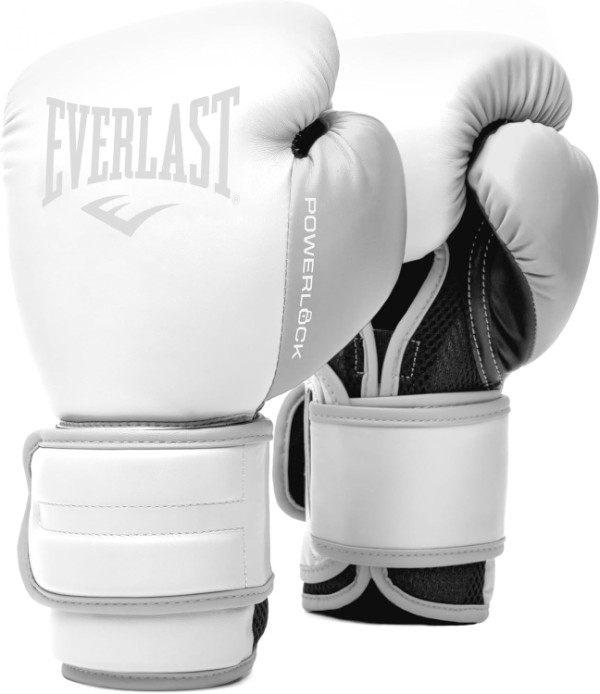

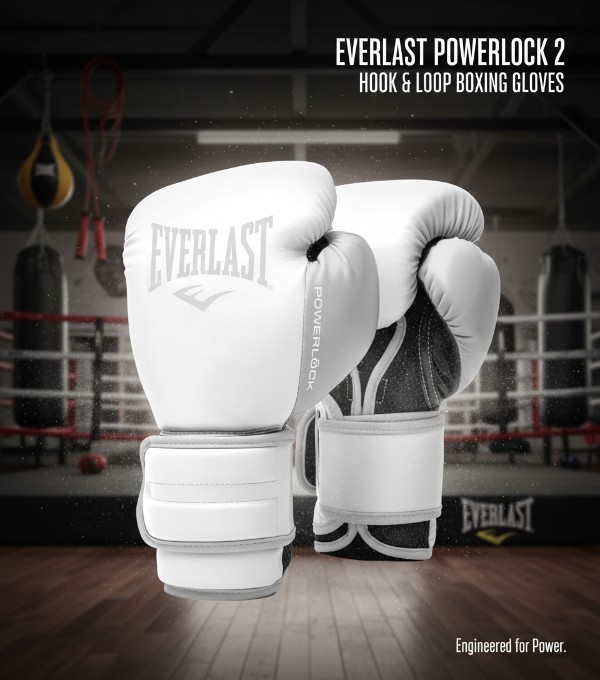
Walk into almost any boxing gym in the US and you’ll notice something pretty quickly — gloves aren’t just equipment. They’re personal. Some people train in the same worn-out pair for years like it’s a lucky charm. Others grab whatever’s on sale and figure they’ll sort it out later. The Everlast Powerlock 2 Hook & Loop Boxing Gloves tend to land somewhere in that middle ground, which is probably why you keep seeing them everywhere.
Nothing about them screams premium at first glance. But after a few rounds on the bag, they start to make sense.
Key Takeaways
- A structured hook-and-loop strap locks your wrist in place and provides strong, reliable support during training
- The 12 oz size works well for pad work and bag sessions, especially if you’re roughly in the 120–160 lbs range
- Polyurethane construction keeps the cost down, though you’ll notice creasing along the striking surface after a few weeks of regular use
- A 4.6/5 rating across 2,200+ US reviews suggests most buyers don’t regret the purchase — even if they notice limitations over time
- The 120-day warranty covers short-term defects, not long-term wear
1. What You’re Actually Getting With the Powerlock 2
The Powerlock 2 builds on Everlast’s original design focus: ergonomic fist alignment. That might sound like marketing copy until you’ve spent 45 minutes on a heavy bag with gloves that don’t fit right. Knuckles start to ache. Your wrist feels slightly unstable. That’s the kind of problem this glove quietly solves — not dramatically, just consistently.
Product Specifications
| Attribute | Details |
|---|---|
| Brand | Everlast |
| Model Code | 870332-70 |
| Weight | 12 oz |
| Material | Polyurethane |
| Closure | Hook and Loop |
| Orientation | Ambidextrous |
| Dimensions | 14″ x 6.5″ |
| Warranty | 120 days |
| Price Range | $40–$70 USD |
That price range puts it in an awkward spot on paper — too expensive to feel like a throwaway purchase, not expensive enough to feel like a serious investment. In practice, though, that middle zone is exactly where most recreational athletes actually live.

2. Everlast’s Place in the US Boxing Market
Everlast has been around since 1910, and that kind of history carries real weight in American boxing culture. Muhammad Ali trained in Everlast. The brand is woven into the sport’s identity in a way that newer companies just can’t replicate.
But today’s market looks different. Everlast now competes alongside:
- Ringside — budget-friendly, reliable, popular in gym settings
- Hayabusa — design-forward, comfort-focused, premium feel
- Venum — flashy, MMA crossover appeal, younger audience
Here’s the thing about Everlast’s position — it doesn’t win by being the best at any one thing. It wins by being consistently solid across the board. You’ll find Powerlock gloves in local boxing gyms in Chicago, in franchise setups like Title Boxing Club, and in home gyms where someone needed a decent pair without overthinking it. That kind of widespread, quiet presence is actually harder to earn than a single five-star feature.
3. Build Quality: What’s Inside Matters More Than the Exterior
The outer shell is polyurethane, not leather. That’s the decision that keeps the price where it is, and it comes with real trade-offs — but the more important construction happens underneath.
What Holds Up Well
- Multi-layer foam that absorbs impact across repeated strikes, not just the first few hundred
- A reinforced wrist strap that limits excessive flex without feeling rigid
- An ergonomic grip bar inside that encourages your hand to close naturally (this matters more than most people realize until they’ve trained without it)
- A breathable lining that reduces moisture buildup during longer sessions
What you’ll start noticing after a few weeks is subtle creasing along the knuckle area of the striking surface. It doesn’t affect how the glove performs — it just reminds you this isn’t a $150 pair. For regular bag work, the durability holds up fine. If you’re sparring five or six days a week at high intensity, wear will show faster and the polyurethane exterior is the first place it appears.
4. Fit and Wrist Support
Slip your hand inside and the fit feels close — not cramped, but definitely snug. If you have larger hands, you’ll notice that immediately and it’s worth factoring in before you buy. For average to slightly smaller hand sizes, the interior feels secure in a way that actually helps your technique rather than fighting against it.
Who the Fit Works Best For
- Adults training two to four times per week
- Fitness boxing classes with lots of repetition (the hook-and-loop closure is a real time-saver between rounds)
- Heavy bag sessions in the 30–60 minute range
The wrist support is probably the Powerlock 2’s strongest feature. It’s firm without being restrictive — which is a harder balance to hit than it sounds. Too stiff and your punches feel forced and unnatural. Too loose and you’re setting yourself up for wrist strain, especially if you’re throwing combinations on a heavy bag for any real length of time. This glove lands in the right zone for most training purposes.
5. How It Performs Across Different Training Types
Heavy Bag Work
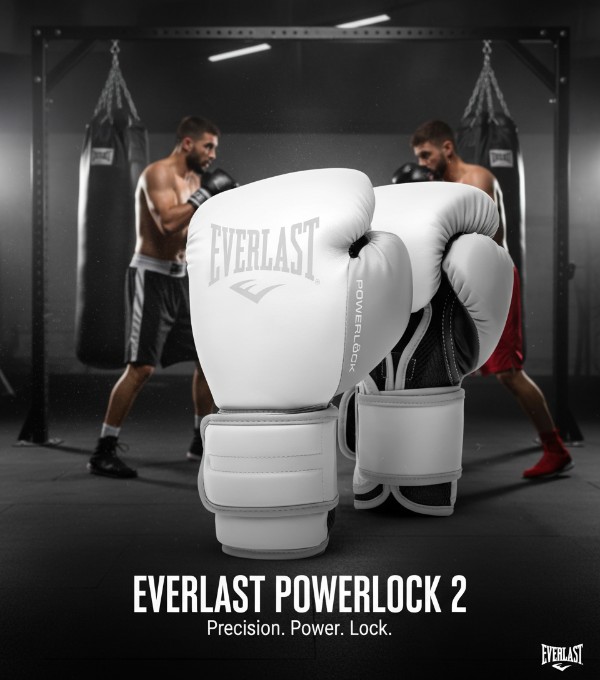
After six to eight rounds, you start to understand whether a glove actually absorbs shock or just softens the feeling of it. The Powerlock 2 absorbs it — not perfectly, but reliably. Your knuckles feel protected through extended sessions in a way that cheaper gloves don’t manage.
Mitt Work
The 12 oz weight gives you good punch feedback on the mitts. You get that crisp contact feeling — hit, feel, adjust — without the glove feeling mushy or over-cushioned. That feedback loop is genuinely useful when you’re working on technique.
Light Sparring
It works for occasional controlled sparring, but most US gyms require 16 oz gloves for regular sparring — and that’s the right call for safety reasons. If sparring is a regular part of your training, you’ll want a separate pair. The Powerlock 2 is better suited as your bag and mitt glove.
6. How It Compares to Other Gloves at This Price Point
The Powerlock 2 isn’t the flashiest option in its price range, but it’s usually the most balanced.
| Feature | Powerlock 2 | Ringside Apex | Hayabusa S4 |
|---|---|---|---|
| Material | Polyurethane | Synthetic | Synthetic |
| Price | $40–$70 | $40–$60 | $50–$80 |
| Wrist Support | Strong | Moderate | Strong |
| Best Use | All-around training | Beginners | Fitness/bag work |
- vs. Ringside Apex: Ringside feels softer and more forgiving on impact, but the wrist support isn’t as structured. If you prioritize comfort over stability, Ringside might suit you better. If wrist support matters — especially early in your training — Powerlock has the edge.
- vs. Hayabusa S4: Hayabusa puts more emphasis on design and interior comfort. Powerlock is less stylish but more focused on functional structure. Both have strong wrist support; the difference is really about priorities.
In both comparisons, Powerlock ends up in the middle. Not the most comfortable, not the most affordable, not the most stylish — but usually the most practical.
7. What Buyers Actually Say
A 4.6/5 rating across more than 2,200 US reviews is a useful signal. It’s not a product people are hyping up — it’s one they keep recommending because it does what it says.
What comes up repeatedly in positive reviews:
- Durable enough for consistent training
- Wrist support that actually holds
- Comfortable lining that doesn’t feel harsh after long sessions
- Clean, unfussy design
What comes up in the complaints:
- Exterior creasing after a few months of regular use
- Fit runs snug — larger hands may feel cramped
That pattern is worth paying attention to. Most buyers don’t regret the purchase. But around the three-to-four month mark, the limitations start showing up — mostly cosmetic, occasionally fit-related for people with bigger hands.
8. Durability and the 120-Day Warranty
The warranty covers short-term manufacturing defects — it’s not designed to account for normal wear. For a glove in this price range, that’s pretty standard.
How long the gloves actually last depends mostly on how you take care of them.
Habits That Extend the Life
- Air dry after every session (don’t seal them in your gym bag while they’re still sweaty)
- Use hand wraps consistently — they protect the lining and reduce moisture inside the glove
- Store them somewhere with airflow, not at the bottom of a closed bag
Polyurethane shows wear faster than leather, especially if you skip those steps. The same neglect would shorten the life of a more expensive glove too — it just shows up sooner here.
9. Who These Gloves Are Actually For
A Good Fit If You’re:
- Attending fitness boxing classes two to four times a week
- Starting structured training and figuring out what you actually need
- Building a home gym and want a reliable all-around pair
- Cross-training and boxing isn’t your primary sport
Probably Not the Right Choice If You’re:
- Training at high intensity six or more days a week
- Sparring regularly (you’ll want a heavier glove for that)
- Looking for premium leather durability over several years of serious use
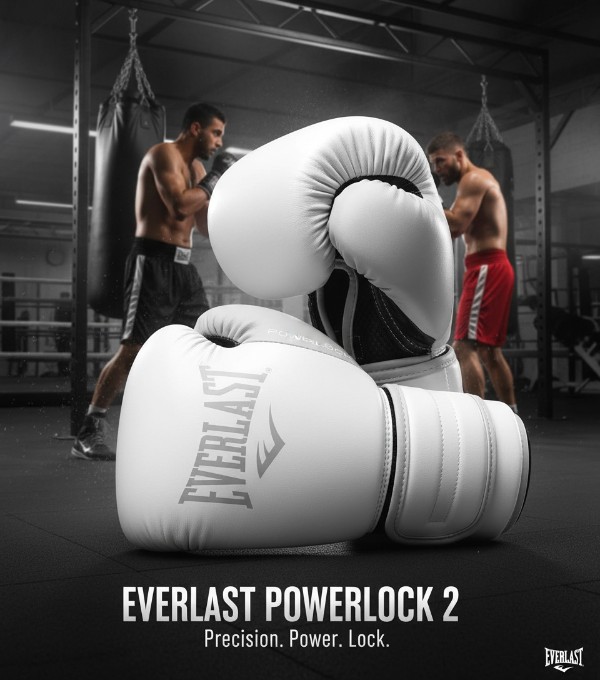
These gloves meet the needs of recreational and fitness-focused athletes really well. They’re not designed for professional training loads — and they don’t pretend to be.
10. Is the Price Actually Worth It?
At $40–$70, the Powerlock 2 sits in a range where the value equation makes sense for most people. Under $40, quality gets unpredictable fast. Over $150, you’re paying for premium materials and longevity that only makes sense if your training volume genuinely justifies it.
Timing your purchase helps too. Black Friday sales often bring the price under $50, and New Year fitness promotions usually follow a similar pattern. If you’re not in a rush, waiting for one of those windows can shift the value calculation noticeably.
11. Final Thoughts: Are the Powerlock 2 Gloves Worth Buying?
For most recreational athletes training at a US gym a few times a week — yes, they’re worth it.
They’re not going to impress anyone on looks. The material isn’t premium, the fit doesn’t work for everyone, and after a few months the exterior will show it. But what they do consistently — protect your knuckles, support your wrist, hold up through regular bag and mitt work — is exactly what most people actually need from a training glove.
You get a glove that:
- Holds its structure under repeated use
- Keeps your wrist stable without restricting your movement
- Works across bag work, mitts, and light sparring without needing a separate pair for each
Not flashy. Not elite. Just dependable — and for most people training at a recreational level, that turns out to be exactly enough.