
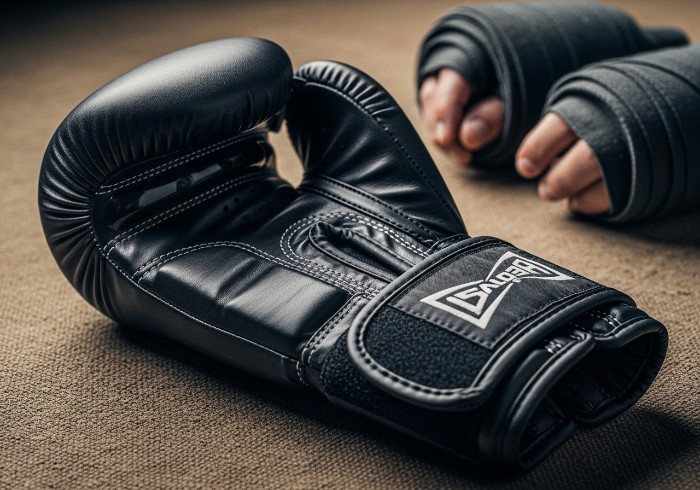

Most people treat inner gloves like an afterthought — something you grab only when you’ve forgotten your hand wraps at home. That’s a reasonable assumption, honestly. They’re small, they’re cheap, and on the surface they don’t look like they do much. But spend a few weeks hitting the heavy bag without proper hand protection and you’ll start to feel it. That dull ache across your knuckles. The way your gloves start to smell after a handful of sessions. It creeps up on you.
Here’s what actually matters: your hands are the only piece of equipment in boxing you genuinely can’t replace. Inner gloves exist to protect them — not as a luxury add-on, but as a functional layer between your skin and a few hundred pounds of impact force. Whether you’re training three days a week or just showing up to a cardio boxing class on Thursdays, the difference a decent pair makes is hard to overstate.
What Are Inner Gloves for Boxing?
Think of them as a halfway point between traditional hand wraps and fingerless MMA gloves. They slip on in seconds, they conform loosely to the shape of your hand, and they sit inside your boxing gloves to absorb shock and keep sweat from destroying the lining. That’s the basic idea.
You’ll hear them called a few different things depending on where you shop:
- Quick wraps — the most common term in U.S. gyms, referring to how fast they go on compared to cloth wraps
- Gel wraps — specifically the kind with gel padding across the knuckle zone, which tends to be the more protective variant
- Boxing glove liners — a more literal description of what they actually do inside the glove
- Inner boxing gloves — sometimes used interchangeably with the above, though this term shows up more in product listings than in actual gyms
In practice, they’re all variations of the same concept. The differences come down to padding thickness, wrist support design, and material — details that actually matter once you’ve worn a few different pairs.
One thing worth clarifying early: inner gloves don’t fully replace traditional wraps in every situation. For long sparring rounds or serious competition prep, experienced boxers often still reach for cloth wraps. But for the majority of training scenarios most people encounter — bag work, mitt sessions, group fitness classes — inner gloves hold up well.
Why Inner Gloves Matter in American Boxing Culture
Boxing in the U.S. has split into two pretty distinct worlds. There’s the technical, sport-oriented side — fighters training for amateur or professional competition, coaches emphasizing proper wrap technique, gym culture that treats shortcuts with mild suspicion. And then there’s the fitness side, which has grown enormously over the last decade, where boxing shows up as one component of a larger workout rather than the entire focus.
Inner gloves made their way into mainstream American gyms primarily through that second world. When you’re cycling between a boxing round and a kettlebell set and then jumping rope, nobody wants to spend five minutes rewrapping between stations. The convenience factor is real.
A few things worth knowing about the U.S. market specifically:
- Availability is solid — brands like Everlast and Sanabul are stocked at major retailers including Dick’s Sporting Goods and Walmart, which matters if you want to try before you buy rather than ordering blind online
- Fitness-first design is now standard — most American brands have oriented their inner gloves toward hygiene, quick dry materials, and ease of use rather than maximum protection, which reflects where most buyers are coming from
- Urban gym culture has embraced them — walk into most boxing fitness studios in larger cities and you’ll see quick wraps far more often than traditional cloth wraps, especially among newer members
That’s not a judgment either way. It’s just the environment most people are buying for.
Inner Gloves vs Hand Wraps: Which One’s Better?
This comparison generates more gym debate than it probably deserves. Old-school boxing culture tends to view wraps as the only real option. The fitness crowd leans hard toward quick wraps. In reality, it depends almost entirely on what you’re doing on a given day.
| Feature | Inner Gloves | Traditional Hand Wraps |
|---|---|---|
| Ease of Use | Slip-on, under 10 seconds | Takes 2–5 minutes to wrap properly |
| Support Level | Moderate — varies significantly by brand | High, when wrapped with correct technique |
| Sweat Management | Good for sessions under 60 minutes | Better absorption for extended training |
| Durability | Roughly 6–12 months with regular use | Wraps wear down with frequent washing cycles |
| Washing | Machine washable, air dry recommended | Hand wash or delicate cycle only |
| Best For | Fitness boxing, bag work, cardio sessions | Competition training, longer sparring rounds |
What a lot of experienced trainers do — and this is worth noting — is use both depending on the session. Quick wraps for weekday bag work. Cloth wraps when sparring or doing longer technical drills. Treating them as competing products misses the point a bit.
For beginners, inner gloves tend to make more sense simply because there’s no learning curve. Wrapping your hands correctly takes practice, and badly wrapped hands can actually cause problems. A properly fitted inner glove sidesteps that issue entirely.
Top Features to Look for in Inner Gloves
Quality variation in this category is significant. Some pairs hold up for over a year of regular use. Others start falling apart within weeks — stitching unravels around the thumb, padding compresses flat, the wrist strap loses its grip. The price difference between a durable pair and a disposable one is usually $10 to $15. Worth paying attention to before you buy.
- Gel padding across the knuckles — this is the single most important feature. Thick, even gel coverage absorbs impact in a way thin foam padding simply doesn’t. Some budget options cut corners here, spreading gel only across part of the knuckle zone. You feel the difference during longer bag sessions.
- Wrist strap with velcro closure — a real strap, not just an elasticated band. Elastic stretches out quickly and stops providing meaningful support. Velcro straps let you adjust tension and maintain it across hundreds of sessions.
- Breathable fabric construction — neoprene with mesh panels tends to work well. Solid polyester traps heat and moisture, which accelerates both odor development and material breakdown. If the listing doesn’t mention ventilation, that’s usually a sign.
- Reinforced stitching at high-stress points — the thumb joint and finger seams take the most wear. Triple stitching in those areas is a reliable indicator of overall build quality.
- Accurate sizing — some brands run noticeably small. If you have wider hands or thicker fingers, check sizing charts carefully and read reviews specifically from people who mention hand size. A pair that fits too tightly cuts circulation; too loose and it shifts around during punches.
Best Inner Gloves for Boxing in the US (2026 Edition)
After looking at a wide range of options across price points — including reviews, ratings, and hands-on feedback from U.S. gym communities — these four brands consistently come up as worth considering:
1. Everlast EverGel Hand Wraps
- Around $20 on Amazon and widely available in-store
- Solid gel padding with a reliable wrist closure — one of the more protective options at this price
- Runs slightly bulky, which can be a fit issue inside smaller gloves (14 oz and under, specifically)
- Best suited for heavy bag training where padding thickness is more asset than liability
2. Sanabul PAW Gel Quick Wraps
- Around $15 from Sanabul’s site — occasionally less during sales
- Breathable mesh construction keeps hands cooler during higher-intensity sessions
- Good balance between protective padding and enough dexterity to feel natural
- A reasonable first pair for someone trying inner gloves for the first time — low financial risk, dependable performance
3. Ringside Gel Shock Quick Wraps
- Around $25 on Ringside.com
- Heavier gel zones make these more protective than most consumer-oriented options
- Stiffer feel, especially when new — takes a session or two to break in
- Better choice for harder sessions or anyone doing occasional light sparring alongside bag work
4. Venum Kontact Gel Glove Wraps
- Around $22 from Venum’s U.S. store
- Compact, low-profile design — fits easily inside tighter gloves without creating bulk
- Wrist support is lighter than the Ringside or Everlast options, which is a real tradeoff
- Works well for cardio-focused sessions where speed and feel matter more than maximum protection
How to Wear and Care for Inner Gloves
Putting them on correctly takes about ten seconds once you’ve done it a couple of times. Slide your fingers through, adjust until the gel padding sits evenly across your knuckle line — not shifted toward the wrist side — and secure the wrist strap with enough tension to feel supported without cutting off circulation. That’s genuinely it.
Where most people go wrong is the washing routine. A few things that actually extend the life of a pair:
- Wash every one to two sessions — inner gloves absorb a surprising amount of sweat. Leaving them unwashed between sessions accelerates odor buildup and breaks down the fabric faster than regular washing does
- Cold water, machine wash, mesh laundry bag — the mesh bag keeps them from getting tangled or snagged on other items in the cycle; it’s a small thing that matters
- Air dry only — dryer heat warps the gel padding and causes fabric to shrink unevenly; most pairs that “stopped fitting right” got there via a dryer cycle
- Replace when padding goes flat or smell doesn’t wash out — most pairs last six to nine months with regular use; pushing them past that point is where hand discomfort during training tends to creep back in
Who Should Use Inner Gloves? (Beginners to Pros)
The short answer is: most people who box regularly find a use case for them at some point, regardless of level. The specifics vary.
- Beginners — inner gloves remove the barrier of learning proper wrap technique before you’ve developed a feel for it; less to think about early on, which usually means better focus on the actual training
- Cardio and fitness boxers — the convenience factor is real when boxing is one component of a larger workout rather than the entire session; slipping on inner gloves between class segments just makes sense logistically
- Younger and teenage athletes — easier and faster than teaching hand wrap technique to someone who hasn’t developed the dexterity or patience for it yet
- Experienced boxers on bag days — plenty of fighters keep inner gloves specifically for non-sparring sessions; saves time and preserves their wraps for when they actually need the extra support
- Home gym users — without a coach nearby to check your wrap job, the margin for wrapping incorrectly is real; inner gloves sidestep that entirely
Even people who have been boxing for years and genuinely know how to wrap tend to keep a pair around for travel or quick sessions. The “wraps are always better” argument gets a lot harder to sustain at 6am when you’re trying to get to the bag before work.
Common Mistakes to Avoid with Inner Gloves
Most problems people run into with inner gloves trace back to a handful of recurring patterns:
- Buying the wrong size — if the gloves leave red lines across your knuckles or feel like they’re compressing your fingers, they’re too small; gloves that fit too snugly also restrict the blood flow you need during extended bag work
- Using them for hard sparring sessions — inner gloves provide moderate support at best; for full-contact sparring or any session involving significant head contact, cloth wraps or both together is the safer call
- Washing them with regular gym clothes — this transfers odor rather than removing it, and rougher fabrics in the same load can snag the mesh or stitching
- Ignoring sizing charts based on “one-size-fits-most” labeling — this label is optimistic; hand width and finger length vary enough that sizing genuinely matters, and the reviews section of any product listing usually contains more honest feedback than the product description does
- Skipping hand protection entirely — going gloveless inside boxing gloves leads to sweat damage on the glove lining, faster glove deterioration, and eventually the kind of knuckle soreness that takes a few days to fade; the $15–$20 a decent pair costs is a reasonable exchange
One additional thing worth flagging: if your hand shifts around noticeably inside your boxing gloves during a session, the inner gloves are probably either too thin, too worn, or not the right fit for your glove model. A little adjustment is normal; significant slippage isn’t.
Where to Buy Inner Gloves in the USA
A few options worth knowing about depending on what matters most to you:
- Amazon — broadest selection, competitive pricing, and easy returns if the fit is off; filter for U.S. warehouse shipping to avoid extended delivery times on cheaper imports
- Dick’s Sporting Goods — useful for trying sizes in person before committing, particularly if you’ve had fit issues ordering online
- Title Boxing — more specialized inventory, including pro-oriented options that don’t always show up at general sporting goods retailers
- Walmart.com — limited selection but useful for budget options under $15 if you’re testing inner gloves for the first time and want low financial commitment
Pricing and Value for Money
You don’t need to spend a lot. But there is a noticeable quality floor below which the tradeoffs become hard to ignore.
| Price Range | What You Generally Get |
|---|---|
| Under $15 | Basic padding, minimal wrist support, thinner materials — functional for very light use |
| $15–$25 | Gel padding, adjustable wrist strap, breathable fabric, better construction overall |
| $25–$30+ | Heavier gel zones, more durable stitching, pro-oriented protection — worthwhile if you train frequently or hit hard |
For most training contexts, the $15–$22 range covers the basics without unnecessary expenditure. Pairs under $10 tend to compress out within a few months. Anything north of $30 is usually paying for brand reputation or features most fitness-level boxers won’t notice in practice.
FAQs About Inner Gloves for Boxing
Can inner gloves replace hand wraps entirely?
For casual bag work and fitness boxing, yes — they provide adequate protection for most sessions. For sparring, competition preparation, or extended technical training, cloth wraps tend to offer better support and are generally the more appropriate tool.
How often should inner gloves be washed?
Every one to two sessions is a reasonable baseline. They absorb significant sweat during training, and infrequent washing accelerates both odor and material breakdown. Cold machine wash in a mesh bag, air dry.
Do they fit inside all boxing gloves?
Most of the time, yes — but thicker gel options can feel cramped inside smaller or tighter-fitting gloves. If you have 12 oz or smaller gloves, it’s worth checking whether the inner gloves you’re considering are noted as low-profile in reviews.
How long does a pair typically last?
Roughly six to twelve months with regular use, depending on how often you train, how you wash them, and the quality of the original construction. Flat padding or persistent odor after washing are the two most reliable signs it’s time to replace them.
Do competitive or professional boxers use them?
Some do, mainly for bag days and non-contact training sessions. For actual sparring or competition preparation, most stick with cloth wraps or use both together for added support.
Final Thoughts on Choosing Inner Gloves
The case for inner gloves isn’t complicated. They’re inexpensive, they take ten seconds to put on, and they do a legitimate job of protecting your hands during the kind of training most people actually do. Not every piece of gear warrants much deliberation. This is one where the main question is just which pair fits your hands and your training context — not whether to bother at all.
If you’re new to boxing or just getting into it for fitness, starting with something in the $15–$22 range from Sanabul or Everlast is a reasonable call. If you’re training harder or more frequently, the Ringside option tends to hold up better under sustained use. And if you’ve been skipping hand protection entirely — which happens more often than it should — any of these is an improvement on nothing.
Your hands take a lot of wear in this sport. The gear that protects them doesn’t have to cost much to do its job well.