
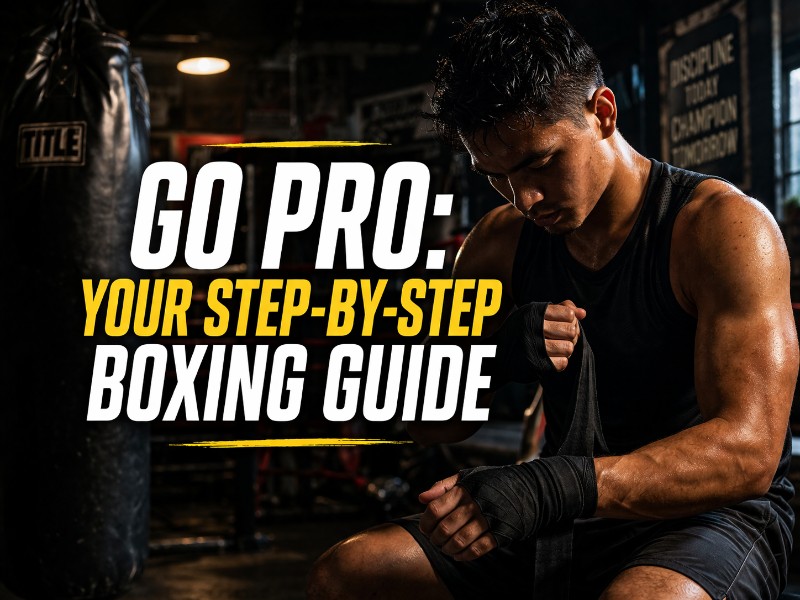

Boxing looks simple from the outside—two people, gloves, a ring—but that illusion fades fast the first time real training begins. Hands ache, lungs burn, timing slips. What stands out isn’t just power; it’s control under pressure. Fighters such as Mike Tyson and Floyd Mayweather Jr. didn’t arrive there by accident. Their paths reflect structure, repetition, and a tolerance for discomfort that most people underestimate early on.
This guide breaks down how a boxing career actually unfolds in the United States, from first gym sessions to licensed professional fights. The steps are clear, but the experience tends to feel messy, uneven, and slower than expected.
1. Understand What It Takes to Become a Professional Boxer
Becoming a professional boxer requires sustained physical output, mental discipline, and acceptance of risk.
At first glance, boxing seems like raw aggression. In reality, it’s controlled endurance layered with strategy. Three demands show up immediately:
-
Physical capacity:
- Strength for impact (punch force generation)
- Endurance for 6–12 rounds
- Reflex speed measured in milliseconds
-
Mental discipline:
- Decision-making under fatigue
- Emotional control after getting hit
- Consistency in training cycles
-
Lifestyle constraints:
- Early mornings, strict diets, limited social flexibility
Here’s the part many don’t expect: progress doesn’t feel linear. One week brings sharp combinations; the next week feels like starting over. That fluctuation isn’t failure—it’s how combat sports refine skill.
Risk vs reward also becomes real quickly:
| Aspect | Reality in Boxing | What Most Beginners Expect |
|---|---|---|
| Income | Irregular early earnings ($0–$1,000 per fight) | Stable pay |
| Health | Repeated impact, injury risk | Manageable soreness |
| Fame | Rare, top 1–2% reach it | Broad recognition |
Data from the Association of Boxing Commissions shows that fewer than 5% of licensed fighters reach national-level rankings [1]. That statistic reshapes expectations fast.
2. Start Training at a Reputable Boxing Gym
A certified boxing gym accelerates skill development and reduces bad habits early.
Not all gyms teach real boxing. Some focus on cardio workouts with minimal technical depth. The difference becomes obvious during sparring.
Look for these indicators:
- USA Boxing affiliation: ensures standardized coaching and competition pathways
- Experienced trainers: former fighters or certified coaches
- Active fighters in the gym: signals real competitive exposure
Typical costs in the U.S.:
| Gym Type | Monthly Cost | Features |
|---|---|---|
| Community boxing gyms | $50–$100 | Basic coaching, shared equipment |
| Competitive boxing gyms | $100–$200 | Sparring, structured training |
| Boutique boxing studios | $150–$250 | Fitness-focused, less competition prep |
Fundamentals start here:
- Stance positioning (balance before power)
- Footwork (distance control)
- Punch mechanics (jab, cross, hook)
Early training often feels repetitive—endless jabs, shadowboxing rounds that seem pointless at first. But skipping fundamentals shows up later as defensive gaps.
3. Build Fundamental Skills and Conditioning
Core boxing techniques and conditioning define long-term performance more than raw talent.
Skill development revolves around four primary punches:
- Jab: distance control and setup tool
- Cross: primary power punch
- Hook: close-range impact
- Uppercut: inside fighting weapon
These techniques evolve through repetition, not intensity. Throwing 1,000 controlled punches teaches more than 100 rushed ones.
Conditioning splits into three areas:
-
Strength training:
compound lifts (deadlifts, squats) improve force output -
Cardiovascular endurance:
roadwork (3–5 miles), jump rope (10–20 minutes), HIIT circuits -
Agility and coordination:
ladder drills, defensive slips, reaction drills
Nutrition becomes unavoidable at this stage. Fighters often underestimate how much diet affects performance.
Basic structure:
- Protein: 1.6–2.2g per kg body weight
- Carbohydrates: primary energy source
- Hydration: 3–4 liters daily during training cycles
A common pattern appears after 2–3 months: energy dips, motivation fluctuates, and soreness lingers longer than expected. That phase filters out casual interest.
4. Compete in Amateur Boxing
Amateur boxing builds fight experience, records, and technical awareness under official rules.
Registration through USA Boxing is required. The process includes:
- Annual membership (~$80)
- Medical clearance
- Age and identity verification
Once registered, competition begins at local events:
- Smokers (informal bouts)
- Regional tournaments
- National qualifiers
Amateur fights typically consist of 3 rounds of 3 minutes each. Scoring focuses on clean punches, not damage.
Key learning points:
- Timing feels different under pressure
- Adrenaline disrupts technique early on
- Opponents vary widely in skill level
A fight record starts forming here. For example:
- 10 fights → beginner experience
- 25 fights → intermediate exposure
- 50+ fights → strong amateur background
USA Boxing reports that elite amateurs often accumulate 70–100 fights before turning professional [2].
Losses happen frequently in this stage. Interestingly, those losses often teach more than early wins.
5. Get Licensed as a Professional Boxer
A state-issued boxing license legally permits professional competition in the U.S.
Each state athletic commission regulates licensing. Examples include:
- California State Athletic Commission
- Nevada Athletic Commission
- New York State Athletic Commission
Requirements include:
-
Medical exams:
- Bloodwork (HIV, Hepatitis B/C)
- Eye exams
- Neurological checks
- Application fees: $50–$200 depending on state
Processing times vary from 2–6 weeks.
This step feels administrative, but it marks a real shift. Amateur fights test skill; professional fights introduce financial stakes and longer rounds (4–12 rounds).
6. Find a Manager and Promoter
Managers and promoters shape career direction, fight opportunities, and earnings.
The distinction matters:
- Manager: handles contracts, strategy, long-term planning
- Promoter: organizes events, markets fights, secures venues
Many beginners confuse the two roles.
Key considerations before signing:
- Contract duration (often 2–5 years)
- Revenue split percentages
- Fight frequency guarantees
Networking becomes essential here. Conversations in gyms, local events, and small promotions often lead to opportunities.
A common issue appears: early contracts sometimes favor promoters heavily. Reading details carefully avoids long-term limitations.
7. Build Your Professional Record
A professional record determines rankings, opportunities, and earning potential.
Early fights usually occur on undercards. These are preliminary matches before main events.
Typical progression:
- First 5 fights: skill adjustment period
- 6–15 fights: ranking visibility
- 15+ fights: contender positioning
Activity matters. Fighters often compete:
- 3–6 times per year early in careers
Performance metrics tracked:
- Wins/losses
- Knockouts (KOs)
- Opponent quality
A 10–0 record looks strong, but context matters. Facing weak opponents inflates records without building skill.
Here’s a comparison:
| Record Type | Strength | Hidden Risk |
|---|---|---|
| 10–0 vs low-tier opponents | Fast progression | Limited skill growth |
| 6–4 vs strong opponents | Slower ranking | Better long-term development |
Promoters often favor undefeated records, but experienced observers value competition quality more.
8. Market Yourself and Build a Personal Brand
Personal branding increases visibility, sponsorship opportunities, and fight demand.
Modern boxing extends beyond the ring. Platforms such as Instagram and TikTok influence exposure.
Effective strategies include:
- Posting training clips consistently (3–5 times weekly)
- Sharing fight highlights and sparring footage
- Engaging with fans through comments and live sessions
Sponsorships typically appear after:
- 5,000–10,000 followers (local brands)
- 50,000+ followers (regional deals)
Content types that perform well:
- Knockout highlights
- Behind-the-scenes training
- Weight cut preparation
This part feels unnatural at first for many fighters. Promotion requires visibility, while training demands focus. Balancing both becomes a skill on its own.
9. Stay Disciplined and Avoid Common Pitfalls
Long-term success depends on injury prevention, financial control, and mental resilience.
Common challenges include:
-
Overtraining:
fatigue leads to slower reaction times and increased injury risk -
Injuries:
hand fractures, shoulder strains, concussions -
Financial instability:
early fight purses often range from $200 to $2,000
Financial management matters more than expected. A single injury can pause income for months.
Practical observations:
- Fighters often spend heavily after early wins
- Training camps cost $1,000–$5,000 depending on location
- Travel expenses reduce net earnings
Mental resilience develops through setbacks:
- Losses disrupt confidence
- Plateaus slow visible progress
- External pressure increases with visibility
Recovery becomes part of training:
- Sleep: 7–9 hours nightly
- Active recovery: stretching, light movement
- Rest days: 1–2 per week
Ignoring recovery usually leads to burnout within 6–12 months.
10. Aim for Titles and Long-Term Success
Championship titles require consistent performance against elite competition over multiple years.
Major sanctioning bodies include:
- World Boxing Council (WBC)
- World Boxing Association (WBA)
- International Boxing Federation (IBF)
Progression typically follows:
- Regional titles
- National titles
- International rankings
- World title contention
Reaching title contention often takes:
- 20–30 professional fights
- 5–10 years of consistent activity
Career longevity depends on:
- Injury management
- Smart fight selection
- Financial planning
Retirement planning rarely gets attention early, yet most careers last 5–15 years.
Some fighters peak quickly and fade. Others build slowly and sustain performance longer. The second path often looks less exciting early on but tends to produce more stability over time.
Conclusion
Becoming a professional boxer in the United States requires structured progression, sustained discipline, and strategic decision-making across multiple stages.
The path moves from gym training to amateur competition, then into licensed professional fights shaped by managers and promoters. Along the way, physical conditioning, technical skill, and personal branding all play measurable roles.
What stands out after examining real career paths is the uneven pace. Early enthusiasm often meets slow progress, financial pressure, and physical strain. Yet consistent training, smart decisions, and adaptability separate those who continue from those who step away.
Boxing rewards persistence—but only when paired with awareness of its demands.
Sources
[1] Association of Boxing Commissions – Fighter participation and licensing data
[2] USA Boxing – Amateur competition structure and athlete progression