
Walk into almost any boxing gym in the United States and the same pattern shows up fast. Somebody buys a respected glove brand, laces up, hits the bag for two rounds, then starts adjusting the wrist strap every 30 seconds because the hand keeps sliding inside the glove.
That problem gets worse when your hands are smaller than the “default” mold most companies build around.
The best boxing gloves for small hands create a tighter connection between the fist and the glove shell. That connection changes everything: cleaner knuckle alignment, better force transfer, less wrist wobble, and lower injury risk during repetitive impact. Loose gloves don’t just feel annoying. They increase dead space inside the hand chamber, which causes the fist to shift during contact. Over time, that’s where wrist sprains, thumb jams, and metacarpal irritation tend to creep in.
And honestly, many mainstream gloves sold in big-box U.S. stores still fit like oversized pillows for smaller athletes.
Women, teens, lightweight fighters, and fitness boxers usually need:
- Narrower wrist channels
- Shorter finger compartments
- Compact internal molds
- Tighter palm wraps
Brand reputation matters. Fit matters more.
1. Hand Anatomy and Biomechanics: Why Small Hands Need Specific Gloves
Small hands generate force differently than larger hands because the leverage points inside the wrist and metacarpals change under compression.
Here’s the practical version. If the glove chamber is too wide, your fist doesn’t fully stabilize before impact. The knuckles collapse slightly inward, the wrist flexes off-axis, and energy disperses unevenly across the carpal bones and forearm.
That’s where ulnar deviation starts becoming a real issue.
The ulna sits on the pinky-side of the forearm. The radius sits on the thumb side. In a poorly fitted glove, repeated heavy-bag impact pushes the wrist laterally toward one side instead of allowing force to travel straight through the forearm bones. Most fighters don’t notice it immediately. They notice it six weeks later when the wrist aches while turning a doorknob.
Compact boxing gloves reduce that drift.
A few design details matter more than marketing slogans:
- Tight knuckle alignment
- Dense internal grip bars
- Tapered hand chambers
- Pre-curved ergonomic shaping
- Correct thumb attachment angle
Now, here’s the interesting part. Finger compartment depth affects punch mechanics more than most buyers realize. If your fingers barely reach the grip bar, the fist never fully contracts. That weakens fist tension and increases early hand fatigue during mitt work or bag rounds.
In practice, snug fit boxing gloves usually feel “too tight” for the first week. Then the padding breaks in and the glove starts feeling custom-shaped to your hand.
That break-in transition is normal.
2. How Boxing Glove Sizing Really Works in the United States
A huge percentage of American buyers misunderstand boxing glove sizing.
Ounces do not measure hand size. They measure padding weight.
An 8 oz glove and a 16 oz glove can use almost the same internal hand compartment depending on the manufacturer. That’s why somebody with petite hands can still feel loose movement inside a heavier sparring glove.
Typical U.S. Boxing Glove Sizes
| Glove Size | Common Use | Typical User Weight |
|---|---|---|
| 8 oz | Competition | Under 132 lbs |
| 10 oz | Pads and bag work | 120–150 lbs |
| 12 oz | General training | 140–170 lbs |
| 14 oz | Sparring/training | 160–190 lbs |
| 16 oz | Sparring | 180+ lbs |
USA Boxing competition standards also influence sizing. Amateur competition gloves use stricter weight classes and approved padding ratios, especially in Golden Gloves tournaments.
For small hands, hand circumference matters more than body weight.
How to Measure Hand Size Correctly
- Wrap a measuring tape around the palm below the knuckles.
- Measure in inches.
- Do not include the thumb.
- Measure while wearing hand wraps if wraps are used regularly.
Most people with small hands fall between:
- 6.5–7.5 inch circumference
- Narrow palm width
- Shorter finger reach
That combination often fits best in compact 10 oz or narrow-profile 12 oz gloves.
And youth boxing gloves? Different issue entirely. Youth molds shorten finger depth but often sacrifice wrist support and padding density. Adult small-hand fighters usually outgrow them quickly.
3. Key Design Features That Matter for Small Hands
The internal architecture of the glove matters more than exterior branding.
Some gloves look identical online but feel completely different once wrapped and clenched.
Features That Improve Fit
Short Finger Compartments
Shorter chambers allow the fingertips to reach the internal grip bar naturally. That improves fist closure and reduces forearm strain.
Narrow Wrist Cuffs
Smaller wrists need tighter stabilization. Loose cuffs allow rotational torque during hooks and uppercuts.
Pre-Curved Ergonomics
Ergonomic boxing gloves reduce the amount of force needed to make a fist. During long bag sessions, that matters more than most people expect.
Dense Multi-Layer Foam
Soft foam feels comfortable at first. Then it compresses too quickly. Denser padding protects smaller knuckles better during repetitive impact.
Injection-molded foam systems from brands like Hayabusa and Ringside usually hold shape longer than low-cost synthetic padding.
The downside? Longer break-in periods.
That tradeoff is worth it for serious training.
4. Best U.S. Boxing Glove Brands for Small Hands
Some brands consistently build compact molds better than others.
Here’s where the differences become obvious.
Best Boxing Gloves for Small Hands Comparison
| Brand | Fit Profile | Best Use | Price Range (USD) | Personal Commentary |
|---|---|---|---|---|
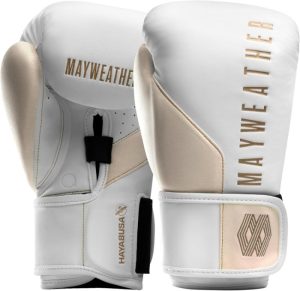
| Hayabusa T3 | Very compact wrist and palm fit | Training and sparring | $140–$180 | Excellent wrist lockdown. Feels almost orthopedic during heavy bag work. |
| Cleto Reyes | Narrow Mexican-style mold | Pads and competition | $170–$250 | Tight hand chamber with strong feedback on punches. Not beginner-friendly at first. |
| Ringside IMF Tech | Medium-compact fit | Sparring | $80–$130 | Dense padding with solid wrist support. Break-in takes time. |
| Title Boxing Pro Style | Compact budget option | Fitness boxing | $50–$90 | Better internal fit than expected at this price point. Durability varies. |
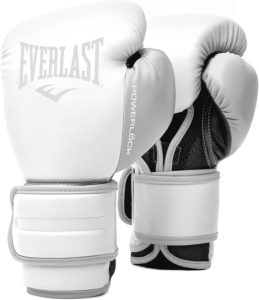
| Everlast Powerlock | Moderate compactness | General training | $90–$140 | Comfortable thumb positioning. Slightly wider finger compartment than Reyes. |
Cleto Reyes deserves special mention because Mexican-style gloves naturally run tighter through the hand compartment. Fighters with narrow hands often love them after the break-in period. During week one, though… honestly, the glove can feel brutally stiff.
Hayabusa tends to fit modern U.S. fitness athletes better right out of the box.
5. Women’s Boxing Gloves vs. Small-Hand Unisex Gloves
Women’s boxing gloves sometimes offer true structural differences. Sometimes they’re just color variations with smaller labels attached.
That distinction matters.
The better women-specific gloves use:
- Narrow palm molds
- Reduced wrist diameter
- Shorter finger channels
- Tighter wrap systems
In boutique boxing gyms across the U.S., especially in fitness-focused studios, many gloves marketed toward women prioritize aesthetics over biomechanics. Softer foam. Flashier colorways. Wider generic molds underneath.
That “pink tax” effect still exists in combat sports equipment.
For actual training performance, compact unisex gloves often outperform fashion-oriented women’s gloves. But dedicated women’s performance models from Hayabusa, Ringside, and Title have improved a lot over the last few years.
The best fit usually comes down to wrist circumference, not gender labeling.
6. Training Type Matters: Bag Work vs. Sparring vs. Competition
Different training styles change the ideal glove structure.
Heavy bag sessions create higher impact compression than controlled sparring. Smaller hands absorb that force through a smaller skeletal surface area, so foam density matters more.
Best Glove Types by Training Style
| Training Type | Recommended Fit | Padding Style |
|---|---|---|
| Heavy Bag | Tight compact fit | Dense foam |
| Sparring | Slightly roomier fit | Softer multi-layer padding |
| Competition | Ultra-compact fit | Lightweight impact foam |
For sparring, many gyms require 14 oz or 16 oz gloves regardless of hand size. That’s where dead space becomes annoying. Lace-up gloves help solve part of that issue because they tighten the wrist and palm more evenly than Velcro.
Cross-training environments — especially MMA gyms — complicate things further because athletes switch between boxing drills, kickboxing, and conditioning circuits rapidly. Gloves with quick-entry wrist systems become more practical there.
7. Common Fit Mistakes U.S. Buyers Make
The biggest mistake is buying gloves based only on ounces.
Second biggest? Ignoring hand wraps during sizing.
Hand wraps add bulk and change finger positioning inside the glove. A glove that feels perfect bare-handed can become painfully tight once wrapped correctly.
Other common problems include:
- Buying oversized gloves for “extra protection”
- Confusing youth sizing with compact adult sizing
- Ignoring thumb alignment
- Assuming expensive gloves automatically fit better
- Buying from marketplaces with restrictive return policies
Amazon reviews also create confusion because one buyer’s “tight fit” might feel cavernous to somebody with genuinely narrow hands.
A good fit feels snug around the palm and wrist without crushing the fingertips.
Your hand shouldn’t slide when throwing hooks.
That sliding sensation usually means the internal mold is too large.
8. Expert Buying Checklist for Small-Handed Fighters
A smart glove purchase starts with measurements, not branding.
Small-Hand Boxing Glove Checklist
| Factor | What to Look For |
|---|---|
| Hand Circumference | Roughly 6.5–7.5 inches |
| Wrist Support | Tight tapered cuff |
| Finger Depth | Short compartment |
| Padding Density | Medium-firm foam |
| Closure System | Lace-up or secure Velcro |
| Material | Full-grain leather lasts longer |
| Budget Range | $80–$180 gives strongest value |
Synthetic gloves under $50 usually break down quickly under consistent heavy-bag use. The foam flattens, wrist rigidity softens, and internal dead space increases after a few months.
Full-grain leather ages better and molds naturally to smaller hands over time.
That molding effect becomes noticeable around the 30–40 session mark.
9. Advanced Considerations: Custom Gloves and Performance Optimization
Competitive fighters often move beyond retail gloves entirely.
Custom boxing glove makers can adjust:
- Metacarpal width
- Thumb lock position
- Wrist channel taper
- Foam layering
- Hand compartment depth
That level of customization matters after hand injuries or chronic wrist instability.
Orthopedic inserts and lace conversion systems also help smaller athletes stabilize the hand more effectively during high-volume training camps. Professional fighters frequently modify glove interiors after metacarpal fractures because standard molds no longer distribute impact correctly.
Weight cutting changes glove feel too. Smaller fighters dropping several pounds before competition often notice increased hand sensitivity and reduced padding tolerance during final training sessions.
Tiny details start mattering more at advanced levels.
Conclusion
The best boxing gloves for small hands create structural harmony between the fist, wrist, and forearm. That sounds technical, but the real-world result is simple: cleaner punches, less fatigue, and fewer injuries over time.
Compact molds, narrow wrist channels, dense foam systems, and shorter finger compartments consistently outperform generic oversized gloves for smaller athletes.
Most buyers focus on logos first. Experienced fighters focus on internal fit.
That difference shows up the moment the glove lands on the heavy bag.