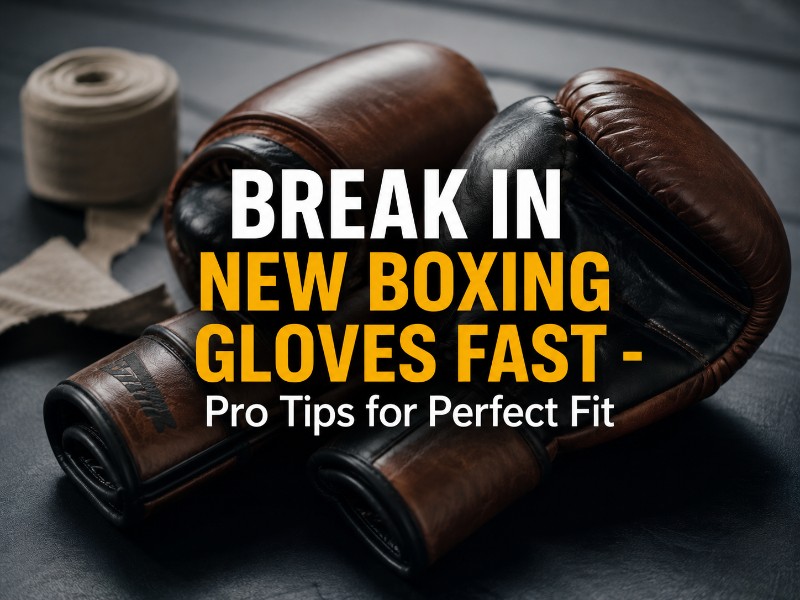

New boxing gloves rarely feel good out of the box. The padding feels brick-like. The hand compartment fights every attempt to close a proper fist. Even premium gloves from Winning or Cleto Reyes can feel awkward during the first few sessions.
That stiffness affects more than comfort.
A poorly broken-in glove changes wrist alignment, delays punch turnover, creates pressure points across the knuckles, and increases fatigue during long rounds. Most fighters notice it during bag work first. Straight punches land slightly off-center. Hooks feel clunky. The thumb compartment rubs in strange places.
And then there’s the financial side. High-end gloves in the United States routinely cost between $100 and $300 USD. Some custom Grant gloves cost even more. Breaking them in correctly protects that investment.
What tends to separate experienced fighters from impatient ones is understanding that glove break-in is controlled adaptation, not destruction. Plenty of gym myths still float around — freezing gloves, running them over with cars, soaking them in hot water. Those shortcuts usually wreck foam structure long before the gloves hit their prime.
Proper break-in creates a glove that works with your hand instead of against it.
Understand Your Glove Construction Before You Start
Not all gloves age the same way. That’s the first thing serious fighters learn after rotating through different brands.
Leather Type Changes Everything
Full-grain leather gloves break in slowly because the material is denser and more durable. Winning and Cleto Reyes gloves fall into this category. The upside is longevity. The downside is patience.
Synthetic leather gloves loosen up much faster. Most budget-friendly gloves from entry-level lines use PU leather. They feel usable quickly, but they also tend to flatten faster under heavy training volume.
Top-grain leather sits somewhere in the middle. Plenty of mid-tier gloves from Ringside or TITLE Boxing use this approach because it balances comfort and durability.
Now, here’s the interesting part. Fighters often confuse “soft” with “broken in.” Those are not the same thing. Cheap synthetic gloves soften quickly because the material collapses. High-quality leather gloves shape gradually because the structure adapts to your hand.
Big difference.
Padding Composition Matters More Than Most People Think
Latex foam usually feels stiffer early on. Layered foam systems distribute impact better over time but need repeated compression to settle correctly.
Horsehair gloves are another animal entirely.
Traditional Mexican-style horsehair gloves mold beautifully around the fist, but they don’t tolerate abuse the same way multilayer foam gloves do. Over-compress them early and the padding can shift unevenly.
Closure Style Influences Fit
Lace-up gloves create tighter wrist structure and more uniform pressure around the hand. Competitive gyms across the US still favor them for sparring.
Velcro gloves break in faster because the fit fluctuates slightly with each session. Convenient, yes. But less structurally consistent.
Start With Controlled Shadowboxing Sessions
The safest break-in method is simply using the gloves properly.
For the first week, most experienced trainers recommend controlled shadowboxing sessions before heavy impact work enters the picture.
Week 1 Protocol
| Training Variable | Recommended Range |
|---|---|
| Sessions | 3–4 |
| Rounds per session | 3–5 |
| Round duration | 2–3 minutes |
| Power output | Light |
Focus on hand positioning instead of power.
The goal is gradual foam compression while teaching the glove how your fist naturally closes. In practice, that process matters more than smashing the heavy bag on day one.
A lot of fighters skip this phase because it feels too slow. Usually, those same fighters end up with sore metacarpals a few sessions later.
During shadowboxing, pay attention to:
- Thumb placement
- Wrist alignment
- Knuckle pressure
- Ease of fist closure
If the glove still fights your hand after several sessions, the issue might be sizing rather than break-in.
Use the Heavy Bag Strategically
Heavy bag work accelerates shaping, but controlled pressure works better than reckless force.
That surprises newer fighters.
Phase 1: Moderate Contact
During the first few bag sessions:
- Stay around 50–60% power
- Focus on straight punches
- Limit looping hooks
- Keep combinations short
Straight shots compress padding more evenly. Wild overhands early in the process tend to create uneven stress points inside the glove.
USA Boxing coaches and Golden Gloves trainers often repeat the same principle: gradual compression preserves structure.
Force speeds up deterioration, not adaptation.
Phase 2: Controlled Power Increase
After several sessions, power can increase into the 70–80% range.
At this stage:
- Add combinations
- Increase round volume
- Monitor wrist fatigue carefully
- Watch for hot spots across the knuckles
Good gloves begin feeling “alive” around this point. The hand compartment settles. Punches stop feeling disconnected.
That moment usually arrives around session six or seven with quality leather gloves.
Hand Wrapping Changes Break-In Speed
Hand wraps quietly influence the entire shaping process.
Tighter wraps create less internal movement, which slows adaptation. Moderate compression allows the glove to contour naturally around the hand without compromising wrist support.
For most fighters training four to five days weekly, 180-inch wraps create the best balance.
Wrap Thickness Comparison
| Wrap Type | Break-In Effect | Typical Feel |
|---|---|---|
| Thin Mexican-style wraps | Faster shaping | More punch feedback |
| Thick padded wraps | Slower shaping | More protection |
| Gel wraps | Uneven compression | Bulkier interior fit |
Hayabusa and TITLE Boxing wraps tend to run thicker than traditional Mexican wraps. That changes how the glove compresses over time.
Small detail. Huge difference after 30 rounds on the bag.
Safe Manual Shaping Techniques
Manual shaping helps, but only when it respects the glove’s structure.
Some methods floating around combat sports gyms honestly belong in a junkyard instead of a training room.
Effective Techniques
- Wear the gloves while holding a closed fist for 1–2 minutes
- Gently flex the glove at the natural knuckle hinge
- Massage exterior padding lightly
- Open and close the hand repeatedly between rounds
These methods encourage natural contouring without damaging internal foam layers.
Techniques That Destroy Gloves
| Bad Method | What Happens |
|---|---|
| Freezer method | Foam becomes brittle |
| Water soaking | Stitching weakens |
| Rolling pin compression | Padding collapses unevenly |
| Car tire pressure | Internal structure warps |
A quality pair of gloves deserves controlled conditioning, not punishment.
And honestly, gloves ruined by internet “hacks” usually look terrible within a month.
Conditioning Leather Without Over-Softening
Full-grain leather gloves occasionally benefit from light conditioning.
Light being the key word.
Apply a small amount of leather conditioner using a microfiber cloth. Let the gloves air dry for roughly 24 hours in a ventilated room.
Over-conditioning creates mushy leather and weakens structural integrity around the wrist.
Climate also changes everything.
Arizona heat dries gloves quickly. Florida humidity slows evaporation and increases odor buildup. Fighters training in humid environments often notice longer break-in periods because moisture affects foam responsiveness.
One habit separates disciplined fighters from careless ones: gloves never stay trapped inside sealed gym bags overnight.
That single mistake ruins expensive equipment surprisingly fast.
Breaking In Sparring Gloves vs. Bag Gloves
Different gloves need different levels of softness.
That distinction gets overlooked constantly.
Sparring Gloves
Most sparring gloves range between 14 and 16 ounces.
The objective is softer exterior compression that protects training partners while maintaining wrist support. Even foam distribution matters more than sharp impact feedback.
Winning gloves dominate many elite sparring rooms for exactly this reason. The padding softens evenly without collapsing too quickly.
Bag Gloves
Bag gloves prioritize feedback and durability.
Fighters generally prefer:
- Denser knuckle support
- Firmer impact feel
- Controlled compression
Using one glove for everything usually shortens lifespan dramatically. Many American gyms actually require separate sparring gloves for safety reasons.
Signs Your Gloves Are Properly Broken In
A well-conditioned glove feels natural instead of restrictive.
You’ll usually notice several things at once:
- The fist closes smoothly
- The thumb sits comfortably
- Impact alignment improves
- Wrist stability increases
- Knuckle pressure disappears
Good gloves eventually stop demanding attention. They disappear during training, which is exactly what fighters want.
Warning Signs Something Is Wrong
Persistent problems matter.
Especially these:
- Knuckle bruising
- Finger numbness
- Tingling sensations
- Uneven padding collapse
- Wrist instability
At that point, the issue may not be break-in at all. Certain glove brands simply fit different hand anatomies better.
Cleto Reyes gloves often favor compact hands. Winning gloves generally accommodate broader hand compartments. Grant gloves tend to sit somewhere in between.
Comparison Table: How Popular Boxing Gloves Break In
Here’s where glove personality really shows up.
| Brand | Break-In Speed | Padding Feel | Best Use | Real-World Observation |
|---|---|---|---|---|
| Winning | Slow | Pillowy and protective | Sparring | Feels stiff initially, then becomes incredibly natural |
| Cleto Reyes | Medium | Puncher-style feedback | Bag work and pads | Sharp impact feel stays intact longer |
| Grant | Medium-Slow | Balanced density | All-around training | Premium fit but requires patience |
| Everlast Elite | Fast | Softer foam | General training | Comfortable quickly but wears faster |
| Ringside IMF | Medium | Dense layered foam | Heavy bag work | Excellent wrist support after shaping |
Most experienced fighters eventually develop preferences based on hand shape and punch mechanics rather than hype.
That usually happens after burning through a few pairs over several years.
Advanced Tips From Competitive US Gyms
High-level boxing gyms in Las Vegas, New York City, and Los Angeles treat glove maintenance almost like equipment science.
Several habits show up repeatedly:
- Rotating between two glove pairs
- Logging training volume
- Limiting heavy impact during the first 10 sessions
- Using glove deodorizers after every workout
- Air-drying gloves immediately
Professional fighters understand something beginners often ignore: gloves are performance tools.
Poorly maintained gloves create bad habits and unnecessary injuries.
Expected Break-In Timeline
For fighters training four to six days per week, here’s what typically happens.
| Glove Type | Estimated Break-In Time |
|---|---|
| Synthetic | 3–7 sessions |
| Top-grain leather | 2–3 weeks |
| Full-grain leather | 3–4 weeks |
| Horsehair | 5–10 sessions |
Consistency matters more than intensity.
That’s the part impatient fighters hate hearing.
Common Mistakes Fighters Make
Several mistakes show up constantly in American gyms.
- Going 100% power immediately
- Skipping hand wraps
- Leaving gloves in hot cars
- Over-compressing foam manually
- Using wet towels inside gloves
Heat damage is brutal on foam.
Inside a parked Texas car during summer, temperatures can exceed 140°F. Foam degradation accelerates fast under those conditions.
Protecting gloves properly usually adds months of usable life.
When Replacement Makes More Sense
Sometimes gloves simply aren’t salvageable.
Replace gloves when:
- Padding shifts noticeably
- Stitching separates
- Lining tears badly
- Wrist support collapses
USA Boxing athletes training year-round often replace gloves every six to twelve months depending on workload.
Hands absorb thousands of impacts every week. Compromising glove integrity to save money rarely ends well.
Final Thoughts
Breaking in boxing gloves isn’t about brute force. It’s controlled adaptation between the glove and your hand.
Progressive compression works. Smart conditioning works. Patience works.
The fighters who last longest in tough American gyms usually treat equipment carefully because they understand the bigger picture. Healthy hands extend careers. Well-maintained gloves protect those hands.
Train smart. Protect the investment. Let the gloves evolve naturally