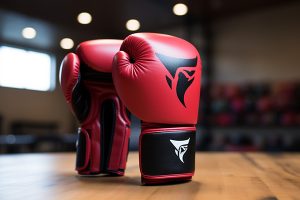


Walk into almost any boxing gym in the U.S.—a gritty Brooklyn basement, a polished Equinox studio, or even a garage setup with a dented heavy bag—and one pattern shows up fast: familiar black-and-red Ringside gloves hanging from gym bags. Not flashy. Not hyped like boutique brands. Just… there.
That raises a fair question. Do these gloves actually hold up in 2026, or are they just riding on reputation?
Short answer: Ringside IMF Tech Boxing Gloves deliver reliable protection, strong durability, and solid value under $100, making them one of the safest mid-range choices for U.S. training—but they stop short of elite-level performance.
Now, the interesting part sits in the details.
Key Takeaways
- IMF padding absorbs impact effectively during heavy bag sessions and mitt work, reducing knuckle stress over long rounds
- Price-to-performance ratio stays strong at $70–$100 USD compared to premium brands priced above $150
- Training-focused design limits competition use, especially under USA Boxing rules
- Synthetic leather construction lasts 12–24 months with consistent gym use (3–4 sessions weekly)
- Fit and support suit beginners and intermediates more than advanced fighters
There’s a pattern here. These gloves don’t try to be everything—and that’s exactly why they work.
1. Overview of Ringside IMF Tech Boxing Gloves
The Ringside IMF Tech gloves function as training gloves built around injected molded foam (IMF)—a padding system that feels noticeably different the moment a punch lands.
Now, here’s where expectations sometimes go sideways. Many assume “mid-range glove” means watered-down performance. That’s not quite what shows up in practice.

Brand Background: Ringside in the U.S. Market
Ringside holds a long-standing position in American boxing culture. Decades of presence in gyms across states like New York, California, and Texas created a kind of default trust.
You’ll notice a few consistent traits:
- Equipment designed for high repetition environments (busy gyms, shared gear situations)
- Pricing structured for accessibility, not exclusivity
- Wide availability across platforms like Amazon, Ringside’s official store, and major retailers
Unlike brands such as Winning or Cleto Reyes, which lean into craftsmanship and prestige, Ringside leans into practicality. That trade-off shows up everywhere—in materials, finish, even the way the gloves feel out of the box.
IMF Technology Explained
Injected Molded Foam (IMF) creates a dense, pre-shaped padding layer that distributes force evenly across the glove.
In real terms, punches feel more “absorbed” than “sharp.”
Comparison snapshot:
- Entry-level gloves (Everlast basics): softer, less structured, break down faster
- IMF gloves: firmer, consistent shape, better long-term protection
- Premium gloves (Cleto Reyes): more punch feedback, less padding forgiveness
That middle ground matters. Especially if hands tend to feel beat up after longer sessions.
2. Design and Build Quality
At first glance, nothing about these gloves screams luxury. No handcrafted stitching. No premium leather smell. But that’s not the point.
Outer Material
Durable synthetic leather forms the exterior, built to handle repetitive impact rather than impress on day one.
In actual gym conditions, this material handles:
- Heavy bag rounds (6–10 rounds typical sessions)
- Pad work with trainers
- Partner drills and light sparring
- Home gym wear-and-tear
For U.S. users training 3–4 times weekly, lifespan typically lands between 12 and 24 months. That’s not theoretical—that’s what tends to happen before visible cracking or padding fatigue shows up.
A small note, though. Synthetic leather doesn’t age gracefully. It holds up, then suddenly… it doesn’t.
Closure System and Wrist Support
Wraparound Velcro strap + extended cuff = above-average wrist stability.
This becomes noticeable during:
- Straight punches (less wrist collapse)
- Beginners learning alignment
- High-volume fitness classes
In places like LA Fitness or boutique boxing studios, where technique varies wildly, that extra wrist support prevents a lot of avoidable strain.
Still, Velcro has limits. After a year or so, grip strength weakens slightly. Not a dealbreaker—but noticeable.

3. Comfort and Fit for American Buyers
Fit can make or break a glove. And honestly, this is where reactions tend to split.
Sizing Options (8 oz – 16 oz)
Typical U.S. sizing patterns look like this:
| Size | Common Use Case | Examples |
|---|---|---|
| 12 oz | Bag work (smaller hands) | women, lighter fighters |
| 14 oz | All-around training | general gym use |
| 16 oz | Sparring | most U.S. gym requirements |
Fit runs slightly snug at first, especially across the knuckles.
After about 3–5 sessions, the interior loosens just enough. Not dramatically—but enough to feel “broken in.”
That initial tightness? It’s intentional. It keeps the hand locked in place once the glove settles.
Breathability and Hand Compartment
Ventilation sits in the “acceptable, not impressive” range.
- Moderate airflow
- Interior lining absorbs sweat decently
- Heat buildup noticeable in warmer climates
Training in places like Florida or Texas during summer? Expect sweaty hands by round four. That’s just reality.
Hand wraps help. A lot.

4. Performance on the Heavy Bag
This is where the IMF gloves start to justify their reputation.
Impact Absorption
IMF padding reduces shock transfer, especially during longer sessions.
What tends to happen:
- Knuckles feel less tender after 8–10 rounds
- Less need to “hold back” power late in workouts
- Consistent padding shape over time
Compared to entry-level gloves from big-box stores, the difference feels immediate. Less sting. More control.
Feedback and Punch Feel
Here’s where things get interesting.
The gloves provide:
- Enough firmness for clear feedback
- Enough padding for protection
That balance matters.
Too soft → punches feel vague
Too hard → hands take a beating
IMF lands right in between.
Power punchers tend to appreciate this. Technical boxers sometimes prefer softer gloves for rhythm work—but that’s more preference than flaw.
5. Sparring Performance
Technically, these gloves can handle sparring. But that’s not where they shine.
Pros
- Dense padding reduces accidental damage
- Strong wrist support during exchanges
Cons
- Slightly firm feel compared to dedicated sparring gloves
- Not approved for official USA Boxing competition
For occasional sparring sessions, they work fine. For regular sparring? Most fighters eventually switch to softer gloves.
That transition usually happens after a few awkward rounds where partners mention the firmness. It’s subtle—but noticeable.
6. Durability and Long-Term Value
Durability tells the real story of a glove—not the first week, but month six.
How Long Do They Last?
Typical lifespan: 12–24 months under consistent use (2–4 sessions weekly).
Observed patterns:
- Padding holds structure longer than expected
- Exterior shows wear before internal breakdown
- Velcro gradually weakens but remains usable
That timeline aligns well with the price point.
Maintenance Tips
Simple habits extend glove life significantly:
- Air dry after every session
- Use glove deodorizers (especially in humid climates)
- Avoid leaving gloves in hot cars—common mistake across U.S. summers
Heat, more than anything else, accelerates breakdown. Especially in synthetic materials.

7. Who Should Buy Ringside IMF Tech Gloves?
These gloves fit a specific type of user. Not everyone—but a large portion of U.S. fighters.
Ideal Users
- Beginners learning fundamentals
- Fitness-focused boxers in classes or CrossFit programs
- Home gym owners building a reliable setup
- Budget-conscious athletes avoiding $150+ gloves
Less Ideal For
- Professional fighters
- Advanced amateurs preparing for competition
- Users seeking premium leather feel
For hybrid athletes—those mixing boxing with HIIT or strength training—these gloves strike a practical balance. Not perfect. But dependable.
8. Price Comparison in the U.S. Market
Price often drives the decision more than performance.
Here’s how Ringside IMF gloves compare:
| Category | Price Range (USD) | Examples | Real-World Difference |
|---|---|---|---|
| Budget | $30–$60 | Everlast entry models | Softer padding, shorter lifespan |
| Mid-range (IMF) | $70–$120 | Ringside IMF, Title Gel | Balanced protection and durability |
| Premium | $150–$250+ | Winning, Cleto Reyes | Superior feel, craftsmanship, longevity |
Ringside IMF gloves dominate the mid-range category by offering durability closer to premium gloves without the steep cost.
Now, here’s the trade-off most don’t talk about.
Premium gloves feel better. No question. But for many users, that difference only becomes obvious after months—sometimes years—of consistent training.
Until then, IMF gloves cover the gap surprisingly well.
9. Final Verdict: Are Ringside IMF Tech Boxing Gloves Worth It?
Yes—Ringside IMF Tech Boxing Gloves are worth it for most U.S. fighters seeking durable, protective, and affordable training gloves under $100.
They deliver where it matters:
- Reliable knuckle protection
- Stable wrist support
- Consistent durability over time
- Easy availability across U.S. retailers
They don’t deliver:
- Premium leather feel
- Elite-level sparring softness
- Competition-ready approval
And that’s fine.
Because most fighters—garage trainers, class regulars, early amateurs—don’t actually need elite gear. What shows up more often is the need for something that works every day, holds up under pressure, and doesn’t force a second thought before every session.
These gloves do that.
Not perfectly. But consistently.