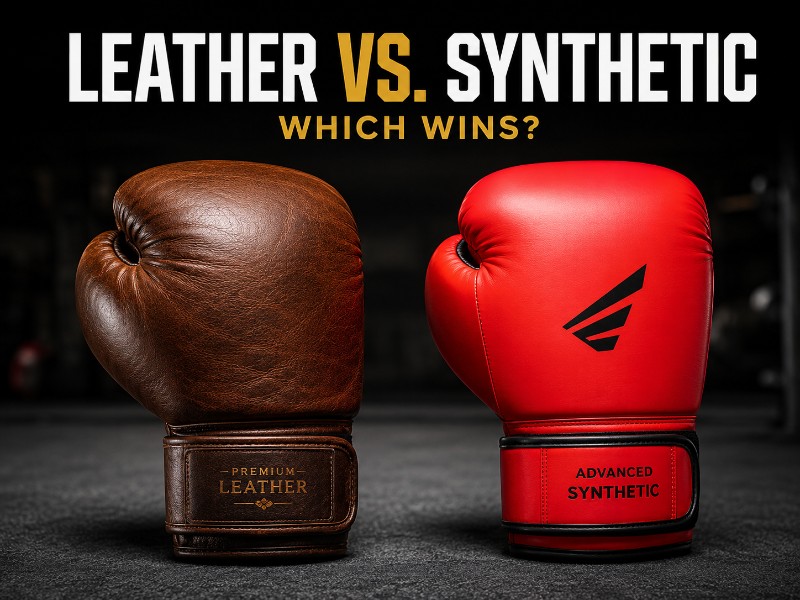

Walk into almost any boxing gym in the United States and the same debate keeps circling around the heavy bag. Genuine leather or synthetic leather? Old-school durability or modern affordability? And honestly, the answer changes depending on how often you train, how hard you hit, and what kind of boxing life you’re building.
Some fighters train three times a week for fitness. Others grind through daily sparring rounds preparing for Golden Gloves tournaments. Those two athletes don’t need the same glove material. That’s where most buying mistakes happen.
The American boxing market has exploded over the last decade. USA Boxing memberships continue growing, boutique fitness boxing classes are everywhere, and brands like Everlast, Title Boxing, Ringside, and Venum now compete directly on Amazon and sporting goods shelves. Material choice suddenly matters more because consumers have more options than ever before.
And yes, glove material changes everything: durability, breathability, hand protection, comfort, even cost per use over time.
Here’s the quick preview.
- Genuine leather boxing gloves last longer and perform better during serious training.
- Synthetic leather boxing gloves cost less and work well for beginners or casual fitness sessions.
- Heavy bag training exposes weaknesses in cheap synthetic materials fast.
- Competitive fighters almost always move toward real leather eventually.
That pattern repeats constantly across American gyms.
Genuine Leather vs. Synthetic Leather Boxing Gloves: Quick Comparison
| Feature | Genuine Leather Boxing Gloves | Synthetic Leather Boxing Gloves |
|---|---|---|
| Average Price | $90–$250+ | $25–$90 |
| Durability | 2–5 years with care | 6–18 months typically |
| Breathability | Better airflow and moisture absorption | Traps more heat |
| Break-In Period | Usually required | Minimal |
| Training Intensity | High-level sparring and heavy bag work | Fitness boxing and beginner training |
| Weight Feel | Dense and balanced | Lightweight |
| Cost Per Use | Lower long term | Higher long term if replaced often |
| Popular Brands | Cleto Reyes, Winning Boxing, Everlast | Sanabul, RDX Sports, Venum |
The interesting part? Synthetic gloves often feel great on day one. Real leather gloves often feel better after month six.
What Are Genuine Leather Boxing Gloves?
Genuine leather boxing gloves use animal hide materials like cowhide leather or goatskin to create a durable outer shell designed for repeated impact training. Premium models typically use full-grain leather or top-grain leather.
Full-grain boxing gloves keep the strongest outer leather fibers intact. That gives the glove higher tensile strength and longer resistance against cracking. Top-grain leather removes part of the outer surface for a smoother finish while keeping solid durability.
In practice, full-grain leather ages like a baseball glove. It softens gradually without collapsing structurally.
Brands like Cleto Reyes and Winning Boxing built entire reputations around that feeling. The stitching quality tends to hold tighter under high training intensity, especially during heavy bag rounds and sparring.
Cowhide leather dominates the American market because it balances toughness and flexibility well. Goatskin appears occasionally in premium leather sparring gloves because it feels softer and lighter.
Now, here’s where genuine leather separates itself.
Moisture absorption.
Real leather breathes better during hard sessions. Sweat doesn’t just sit trapped inside the glove the same way it often does with synthetic polymer materials. That changes comfort dramatically during long mitt rounds or conditioning circuits.
The downside is obvious though. Premium leather gloves cost real money.
- Everlast professional leather gloves: roughly $120–$180
- Cleto Reyes professional boxing gloves: roughly $180–$250
- Winning Boxing gloves: often $300+
That upfront investment scares newer fighters away sometimes. But after a year of consistent gym use, many boxers realize why professionals keep choosing real leather boxing gloves.
The gloves simply hold together longer.
What Are Synthetic Leather Boxing Gloves?
Synthetic leather boxing gloves use manufactured materials like polyurethane (PU) or PVC instead of animal hide. These gloves dominate the beginner and fitness-boxing market because they’re affordable, lightweight, and easy to mass produce.
PU boxing gloves usually feel softer and more flexible than PVC gloves. Polyurethane also handles abrasion resistance better in most cases. PVC gloves cost less but tend to stiffen and crack faster under repeated heavy bag use.
That difference matters more than many buyers expect.
A $35 PVC glove can start showing outer shell cracking within a few months if training frequency reaches four or five sessions weekly. Meanwhile, a decent PU glove from Venum or Sanabul may survive a full year of moderate use.
Synthetic boxing gloves became especially popular alongside cardio boxing programs and home gyms. A lot of people simply want entry-level gear for fitness classes, not professional sparring equipment.
And honestly, synthetic gloves fit that role pretty well.
Brands like RDX Sports and Sanabul built huge followings because affordable boxing gloves lowered the barrier to entry. Amazon reviews pushed that trend even further. Thousands of American buyers now compare glove ratings online before stepping into a gym.
Vegan leather marketing also plays a role. Some consumers prefer avoiding cowhide entirely for ethical reasons.
Still, synthetic leather comes with trade-offs.
Heat buildup happens faster. Moisture resistance sounds good initially, but trapped sweat creates odor problems over time. The interior lining often deteriorates quicker too.
For occasional training, none of that feels catastrophic.
For serious fighters? Different story.
Durability: Which Lasts Longer?
Genuine leather boxing gloves last significantly longer under typical American training conditions.
That’s the short answer.
A quality leather glove used three to five times weekly in boxing gyms across the United States often lasts between two and five years. Synthetic gloves usually break down within six to eighteen months under the same conditions.
Heavy bag training exposes material weakness quickly because repeated impact compresses foam and stresses seam integrity nonstop.
Here’s what actually tends to happen after a few months.
Synthetic gloves begin showing:
- peeling surfaces
- wrist separation
- padding flattening
- outer shell cracking
Real leather gloves age differently. The leather softens. Creases form naturally. But structural breakdown happens slower.
Climate also matters more than people realize.
Humid states like Florida or Louisiana accelerate material breakdown because trapped moisture encourages bacteria growth and weakens adhesives. Dry climates like Arizona generally preserve gloves longer.
The cost per use calculation tells the bigger story.
| Glove Type | Average Cost | Average Lifespan | Estimated Cost Per Session |
|---|---|---|---|
| Synthetic Gloves | $45 | 9 months | Around $0.75 |
| Genuine Leather Gloves | $160 | 3 years | Around $0.35 |
That’s assuming training roughly four times weekly.
So while premium leather gloves look expensive upfront, long-term investment value often swings heavily toward genuine leather.
Especially for heavy bag specialists.
Title Boxing and Ringside both offer leather models specifically reinforced for bag work because constant impact destroys cheap materials fast.
Comfort and Fit for Training
Comfort changes dramatically depending on sweat levels, foam density, and glove construction.
Synthetic gloves usually feel softer right out of the box. There’s almost no break-in period. That immediate comfort explains why many beginners love Venum Elite or Sanabul gloves early on.
But after high-intensity workouts, another pattern appears.
Heat buildup.
Synthetic materials trap warmth more aggressively, especially during conditioning-heavy boxing sessions. Your hands feel swampy after enough rounds. And honestly, nobody enjoys peeling soaked gloves off after mitt work.
Real leather gloves breathe better because natural leather grain allows more airflow and moisture absorption.
Everlast Powerlock leather gloves handle this balance especially well. The interior lining stays relatively comfortable even during long sessions with hand wraps underneath.
Wrist stabilization also differs noticeably.
Premium leather gloves often provide denser structural support around the wrist area. Cleto Reyes gloves, for example, create a compact puncher’s fit that many advanced fighters love during sparring.
Some people hate the break-in period though.
Real leather can feel stiff initially. The glove molds slowly around your hand shape over weeks of training. Synthetic gloves skip that process entirely.
For sweaty hands specifically, breathable boxing gloves with moisture-wicking interiors matter more than flashy branding. That detail gets overlooked constantly online.
Performance in Sparring and Competition
Professional boxing overwhelmingly favors genuine leather gloves because performance consistency matters at high levels.
USA Boxing regulations for sanctioned bouts focus heavily on safety, glove weight, and approved manufacturers. Leather remains the competitive standard because impact dispersion and knuckle protection perform more reliably over time.
Winning Boxing gloves dominate elite sparring circles for one major reason: shock absorption.
The padding protects both the puncher and training partner exceptionally well.
Meanwhile, Cleto Reyes gloves offer sharper punch feedback. Fighters often describe them as more responsive during combinations and counter shots.
Synthetic gloves can work fine for beginner sparring. But prolonged sparring exposes limitations:
- foam compression happens faster
- wrist support weakens sooner
- punch feedback feels less precise
That’s why pros rarely stick with synthetic gloves long term.
During amateur tournaments like Golden Gloves events, glove reliability becomes non-negotiable. Equipment failure during competitive rounds simply isn’t acceptable.
And honestly, confidence matters too.
A well-broken-in leather glove feels stable in ways synthetic gloves sometimes struggle to replicate.
Price Comparison in the United States
Price remains the biggest reason synthetic leather boxing gloves dominate beginner sales.
Here’s the general breakdown across Amazon, Dick’s Sporting Goods, and specialty boxing retailers.
| Category | Price Range | Common Brands |
|---|---|---|
| Entry-Level | Under $50 | Sanabul, RDX Sports |
| Mid-Range | $50–$120 | Venum, Everlast, Title Boxing |
| Premium Leather | $150+ | Cleto Reyes, Winning Boxing |
Holiday sales shift pricing aggressively too.
Black Friday and Cyber Monday usually produce major discounts on Everlast and Title Boxing equipment. Amazon flash sales often cut synthetic glove prices below $30.
Still, cheap gloves can become expensive if replacement cycles happen constantly.
A beginner training twice weekly may never need premium leather gloves. A competitive fighter preparing for USA Boxing tournaments almost certainly will.
That’s the real dividing line.
Training frequency changes glove economics completely.
Maintenance and Care Requirements
Boxing gloves fail early most of the time because of poor maintenance, not manufacturing defects.
Sweat destroys interiors quietly.
After training, gloves need airflow immediately. Tossing damp gloves into a sealed gym bag overnight creates the perfect environment for bacteria and odor buildup.
Simple habits extend glove lifespan dramatically:
- wipe interiors with a microfiber towel
- air dry gloves after every session
- use antibacterial spray regularly
- store gloves outside closed lockers or bags
Leather glove care requires extra attention though.
Real leather benefits from occasional leather conditioner applications because dry leather eventually cracks. Especially in garage gyms exposed to temperature swings.
Synthetic gloves require less conditioning but more odor management because moisture resistance traps sweat internally.
Glove deodorizers help. Cedar inserts help too.
And honestly, one overlooked habit changes everything: rotating gloves.
Using separate gloves for heavy bag work and sparring reduces wear and tear substantially.
Environmental and Ethical Considerations
Environmental debates around boxing gloves have become louder in recent years, especially as vegan leather marketing expands across combat sports.
Genuine leather involves animal sourcing, usually cowhide. Synthetic gloves avoid that issue entirely, which appeals strongly to some consumers.
But sustainability isn’t always straightforward.
Polyurethane and PVC rely heavily on petroleum-based synthetic polymer production. Manufacturing emissions and long-term material waste remain serious concerns because many synthetic gloves aren’t biodegradable.
Leather lasts longer though.
That longevity reduces disposal frequency. A premium leather glove surviving four years potentially creates less landfill waste than four pairs of discarded synthetic gloves over the same period.
Brands like Venum and RDX Sports increasingly promote ethical boxing gear lines with improved production standards and reduced waste initiatives.
Consumer awareness keeps pushing this category forward.
And frankly, many American buyers now weigh ethics alongside performance.
Which Should You Choose? Decision Guide for US Buyers
The best boxing gloves material depends almost entirely on your training goals.
Here’s the practical breakdown.
Choose Genuine Leather Boxing Gloves If:
- you train 3–5 times weekly
- sparring matters seriously
- heavy bag sessions dominate workouts
- long-term durability matters more than upfront price
- competition goals exist
Cleto Reyes, Winning Boxing, and premium Everlast leather gloves fit this category well.
Choose Synthetic Leather Boxing Gloves If:
- boxing is mainly fitness-focused
- budget stays under $75
- training happens casually
- home gym workouts are occasional
- beginner-level comfort matters most
Sanabul and RDX Sports remain strong entry-level options.
For most beginners, synthetic gloves make sense initially. Spending $250 before learning basic combinations rarely feels practical.
But something interesting tends to happen.
Once training becomes consistent, fighters usually start noticing glove weaknesses faster. Wrist support matters more. Breathability matters more. Durability suddenly matters a lot more.
That’s when genuine leather starts making financial sense instead of just looking premium.
Conclusion
Genuine leather boxing gloves outperform synthetic leather gloves in durability, comfort, breathability, and long-term training value. Synthetic gloves win primarily on affordability and beginner accessibility.
That’s the cleanest summary.
If boxing becomes part of your weekly routine rather than a temporary fitness experiment, real leather gloves almost always provide the better experience over time. The break-in period, the stronger stitching quality, the balanced punch response — all of it adds up gradually.
Still, synthetic boxing gloves absolutely have a place in American gyms. Entry-level fighters need affordable gear. Fitness classes need accessible options. And not every training session demands professional-grade equipment.
The best choice comes down to training intensity, budget range, and how seriously boxing fits into your life.
Most fighters eventually discover the same thing somewhere between sweaty heavy bag rounds and worn-out wrist straps: gloves aren’t just gear. They become part of how training feels every single day.