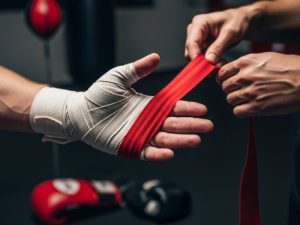


Step into any American MMA gym on a Tuesday evening and the pattern becomes obvious fast. One minute you’re hitting pads, the next you’re fighting for underhooks against the cage, and then—without much warning—you’re back on the bag. Gear changes slow everything down, and honestly, most people stop bothering after the second round. That’s exactly where MMA hybrid training gloves earn their place.
MMA hybrid training gloves combine boxing-level padding with grappling-friendly flexibility, giving you a single tool for multi-discipline sessions. In the United States, where gyms blend striking, wrestling, and jiu-jitsu into tight circuits, that balance matters more than most beginners expect.
This guide breaks down what these gloves really are, how they compare to traditional options, and how you can pick a pair that actually fits your training style—not just your budget.
1. What Are MMA Hybrid Training Gloves?
MMA hybrid training gloves are open-finger gloves with added padding designed for both striking and grappling in one session. That’s the simple version. The real experience feels a bit more nuanced.
At first glance, they look like bulked-up MMA gloves. But once worn during a full session, the difference shows up in small moments—gripping a wrist, adjusting a collar tie, or landing repeated shots on a heavy bag without that sharp sting in your knuckles.
Key features define them:
- Open palm design for grip control during clinch exchanges
- Dense foam padding that absorbs impact on bags and pads
- Adjustable wrist straps for stability during transitions
- Breathable inner lining that limits sweat buildup
Now, here’s what tends to catch people off guard. The padding isn’t just “more”—it’s distributed differently. Instead of focusing purely on knuckle protection like boxing gloves, hybrid gloves spread impact across a wider surface. That changes how punches feel, especially on longer bag sessions.
In most US gyms, training doesn’t pause for equipment changes. Hybrid gloves fit that rhythm. You hit, grab, scramble, and repeat—without stopping to swap gear every five minutes.
2. MMA Hybrid Gloves vs. Traditional Boxing and MMA Gloves
Hybrid gloves sit directly between boxing gloves and MMA competition gloves in terms of padding, mobility, and versatility. But that middle ground creates trade-offs that become obvious over time.
Here’s a clear comparison:
| Glove Type | Padding Level | Grappling Ability | Best Use Case | Real Training Feel |
|---|---|---|---|---|
| Boxing Gloves | High (12–16 oz) | Very Limited | Heavy bag, sparring | Stable but restrictive |
| MMA Competition Gloves | Minimal (4–6 oz) | Excellent | Fights, light drills | Fast but unforgiving |
| Hybrid Training Gloves | Moderate (6–10 oz) | Good | Mixed sessions, pad work, light grappling | Balanced but not specialized |
Now, here’s the part most gear guides skip.
Boxing gloves feel safe—but they slow you down when grappling starts. You’ll notice it the first time trying to secure a guillotine with 16 oz gloves. It’s awkward, almost clumsy.
Competition MMA gloves feel fast and precise—but after 20 minutes on a heavy bag, knuckles start complaining. That thin padding adds up.
Hybrid gloves land somewhere in between. Not perfect for either extreme, but surprisingly effective when sessions keep shifting. For hobbyists and amateur fighters in the US, that trade-off usually works in their favor.
3. Benefits of MMA Hybrid Training Gloves for US Athletes
MMA hybrid gloves improve training efficiency, reduce equipment costs, and support multi-discipline workouts common in American gyms.
That sounds practical on paper. In reality, the benefits show up in small, almost overlooked ways.
- Time efficiency during classes
Gloves stay on from warm-up to cooldown. No interruptions, no digging through gym bags mid-session. - Reduced gear spending
Instead of buying 2–3 glove types, one pair often covers 70–80% of training needs. - Improved clinch functionality
Open palms allow wrist control, collar ties, and basic grappling transitions without constant adjustment. - Accessible pricing ($40–$120 USD)
Entry-level options make experimentation easy without a big financial commitment.
Something interesting happens after a few weeks of using hybrids. Training feels more fluid—not because performance suddenly improves, but because friction disappears. Fewer pauses. Less mental switching between gear.
Many gyms, including affiliates of American Top Team, recommend hybrid gloves for beginners because they remove that early confusion around equipment choices. According to participation reports from USA MMA organizations, over 60% of new trainees prefer versatile gear in their first 6 months [1].
4. How to Choose the Right MMA Hybrid Training Gloves
The right MMA hybrid gloves depend on fit, padding density, closure system, and material quality. Each factor affects how gloves perform during actual sessions—not just how they look online.
Fit and Sizing
Sizing sounds simple until it isn’t. Most US brands use S, M, L, and XL, based on hand circumference.
- A snug fit stabilizes your wrist during punches
- A loose fit shifts on impact, which feels subtle at first… then becomes annoying
What tends to happen is people size up for comfort, then deal with wrist fatigue later. A slightly tight glove usually breaks in within 1–2 weeks.
Padding Type
Padding determines how long you can stay on the bag without discomfort.
- Multi-layer foam absorbs repeated impact better
- Gel inserts reduce sharp shock on contact
Higher-density foam works better for heavy bag sessions. Lighter padding feels faster but doesn’t hold up over longer rounds.
Closure System
Velcro dominates the hybrid glove market.
- Easy adjustments between rounds
- Quick removal during transitions
Lace-up systems exist, but they rarely make sense for mixed training. Too slow. Too impractical.
Material Quality
Material affects durability and odor resistance more than most expect.
- Synthetic leather: cheaper, lighter, wears faster
- Genuine leather: lasts longer, handles sweat better
After about 3 months of consistent training (3–4 sessions per week), synthetic gloves often show visible wear. Leather gloves usually stretch that timeline closer to 9–12 months [2].
5. Top MMA Hybrid Training Glove Brands in the United States
Leading MMA hybrid glove brands in the US include Hayabusa, Venum, Everlast, and Sanabul. Each one targets a slightly different type of athlete.
- Hayabusa
Known for wrist support systems that feel unusually secure. Great for heavier hitters, though pricing sits at the higher end. - Venum
Popular across American gyms. Designs stand out, and performance stays consistent in mid-range pricing. - Everlast
A legacy brand in US combat sports. Entry-level gloves offer solid value, though durability varies by model. - Sanabul
Budget-friendly and widely available on Amazon. Surprisingly functional for beginners, especially under $50.
Here’s something that becomes clear after rotating between brands: differences show up less in comfort and more in longevity. Almost every glove feels good in the first two weeks. The real test starts after month two.
6. MMA Hybrid Gloves for Different Training Goals
Training goals determine which hybrid glove features matter most—padding, flexibility, or durability.
Heavy Bag Training
- Thicker padding reduces knuckle fatigue
- Reinforced stitching handles repeated impact
Long bag sessions expose weak construction quickly. Gloves that feel fine during mitt work can break down fast here.
Light Sparring
- Some gyms allow hybrids, others don’t
- Extra safety gear (like shin guards or headgear) often gets required
It depends heavily on gym rules. Hybrid gloves don’t always provide enough padding for consistent sparring.
Grappling and Clinch Work
- Open palm design improves grip
- Flexible structure allows smoother transitions
This is where hybrids shine. They don’t interfere the way boxing gloves do.
Home Garage Gym Workouts
- Ideal for compact setups
- Useful during seasonal training spikes, especially around New Year fitness pushes
At home, convenience matters more than specialization. Hybrid gloves simplify everything.
7. Price Range and Value in the US Market
MMA hybrid gloves in the US range from $40 to $120 USD, with clear differences in durability and support.
| Price Range | Build Quality | Typical Use Case | What You Notice Over Time |
|---|---|---|---|
| Under $50 | Basic synthetic | Beginners, light training | Faster wear, less support |
| $50–$80 | Balanced materials | Regular gym use | Reliable for most sessions |
| $80+ | Premium leather, foam | Frequent training, durability focus | Longer lifespan, better wrist stability |
American consumers often compare gloves across platforms like Amazon, Title Boxing, and manufacturer sites. Reviews tend to focus less on performance and more on durability after 2–3 months—which honestly tells more about real value than first impressions.
8. Care and Maintenance Tips
Proper care extends the lifespan of MMA hybrid gloves by reducing odor, bacteria buildup, and material breakdown.
Small habits make a noticeable difference:
- Air dry gloves immediately after training
- Use hand wraps to absorb sweat
- Wipe interiors with disinfectant spray weekly
- Avoid leaving gloves inside gym bags overnight
Here’s the reality most people discover late: odor builds faster than damage. Within 2–3 weeks of neglect, gloves start holding moisture. That leads to bacteria growth, which doesn’t go away easily.
Consistent maintenance doesn’t feel urgent—until it suddenly is.
9. Are MMA Hybrid Training Gloves Right for You?
MMA hybrid training gloves suit multi-discipline training, beginner progression, and budget-conscious athletes in the US.
They work best when training sessions mix striking and grappling without clear separation. That describes most modern gyms.
But there’s a limit.
For serious fight preparation, specialized gear still takes over. Boxing gloves for sparring. Competition gloves for cage work. Hybrid gloves don’t replace those—they fill the gap between them.
What tends to happen over time is simple. Hybrid gloves become the default pair—the ones always packed, always used. Then, as training sharpens, more specialized gear starts rotating in.
That transition doesn’t happen immediately. It builds quietly, session by session, as needs become clearer.
Conclusion
MMA hybrid training gloves solve a very specific problem: training that refuses to stay in one lane. In the United States, where gyms prioritize versatility and pace, that solution fits naturally.
You get moderate protection, functional grip, and fewer interruptions. Not perfect, but practical. And in most cases, practical wins.
The right pair depends on how you train, how often you train, and how much friction you’re willing to tolerate mid-session. Because in real gym environments, convenience isn’t just a bonus—it shapes consistency.