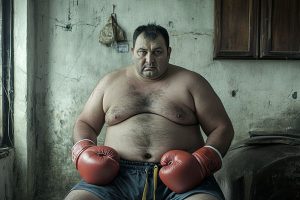

The first thing most people picture is a dramatic garage gym with a swinging heavy bag, concrete walls, and maybe a little Rocky soundtrack energy in the background. The actual version is usually less cinematic. It starts with measuring tape, a budget that gets uncomfortable faster than expected, and the discovery that a 100-pound bag makes more noise than anyone in the house wants to hear at 7 a.m.
Still, a home boxing gym is one of the most practical fitness upgrades for U.S. homeowners because it combines cardio, strength, coordination, stress relief, and skill work in a compact space. Boxing burns serious energy, trains the whole body, and doesn’t require a commercial gym once the basic setup is right.
For most homeowners, the winning setup is simple: a safe training area, a heavy bag or free-standing bag, gloves, wraps, jump rope, floor protection, and enough structure to keep the gear from becoming expensive garage décor.
Define Your Boxing Goals First
Your boxing goal determines your equipment, space, budget, and training style. This is where a lot of home gyms go sideways. The first shopping cart gets filled with a speed bag, double-end bag, weighted vest, reflex ball, resistance bands, and three kinds of gloves. Then the heavy bag still hasn’t been mounted.
In practice, the goal comes first because boxing equipment is surprisingly specific.
You may be training for:
- Weight loss, where the heavy bag, jump rope, and interval training matter most.
- General fitness, where gloves, wraps, floor mats, and simple conditioning tools cover plenty.
- Amateur competition, where skill work, defense, footwork, and USA Boxing-style safety habits become more important.
- Stress relief, where convenience and privacy matter more than advanced equipment.
- Skill development, where a double-end bag, mirror, and structured drills start making sense.
A fitness-only setup is usually lean. A heavy bag, gloves, wraps, rope, and mats can carry months of training. Competition-style training gets more demanding because punching power alone doesn’t teach timing, defense, or ring movement.
Many American beginners borrow ideas from Mike Tyson clips, Floyd Mayweather Jr. mitt-work videos, and USA Boxing training culture. That inspiration is useful, but it can also mislead people into thinking intensity is the whole game. USA Boxing emphasizes structured training, safety rules, proper supervision, and gradual athlete development for sanctioned amateur boxing [1].
The honest version is this: if your goal is fitness, don’t build a fighter’s gym on day one. If your goal is competition, don’t pretend a heavy bag alone teaches boxing.
Choose the Right Space in Your Home
A good home boxing gym needs enough clearance for punching, footwork, bag swing, and safe movement. It doesn’t need to look like a commercial boxing club. It needs to let you move without clipping a workbench, garage freezer, lawn mower, or drywall corner.
For most U.S. homes, these space numbers work well:
| Training Area | Minimum Space | Better Space | Practical Comment |
|---|---|---|---|
| Heavy bag zone | 6 ft x 6 ft | 8 ft x 8 ft | The extra 2 feet matters when the bag swings back after hard right hands. |
| Shadowboxing area | 4 ft x 4 ft | 6 ft x 6 ft | Small spaces work, but footwork feels cramped fast. |
| Jump rope area | 5 ft x 5 ft | 8 ft x 8 ft | Ceiling height matters as much as floor space. |
| Ceiling height | 8 ft | 9 ft or more | Low ceilings ruin jump rope rhythm and tall-fighter movement. |
Garages are the most common choice in suburban U.S. homes because they usually offer open floor space, exposed framing, concrete floors, and better ventilation than spare bedrooms. Basements also work well, especially in colder states, but humidity and low ceilings can become annoying. A spare bedroom can work for shadowboxing, a free-standing bag, and mobility work. Backyard sheds work only when weather protection and flooring are handled properly.
Noise changes the entire setup.
A ceiling-mounted heavy bag sends vibration through beams. In a detached garage, that might be fine. In a townhouse, condo, or apartment-style living situation, it becomes a neighbor problem. A free-standing bag usually makes more sense for renters, HOA communities, and shared-wall homes because it avoids drilling and reduces structural vibration.
The floor matters too. Concrete is tough, but it isn’t friendly to ankles, knees, or jump rope sessions. Rubber flooring makes the space feel less like storage and more like a training area.
Essential Equipment for a Home Boxing Gym
The best beginner boxing gym starts with five items: a heavy bag, boxing gloves, hand wraps, jump rope, and floor protection. These basics cover punching, conditioning, hand safety, and movement.
Heavy Bag
The heavy bag is the center of most home boxing gyms. It gives you resistance, rhythm, power feedback, and that satisfying thud that makes training feel real.
Popular U.S.-available brands include Everlast, Title Boxing, Ringside, Century, and Outslayer. Everlast is easy to find in big retailers. Title Boxing and Ringside lean more toward boxing-specific gear. Century is common for free-standing bags.
For adults, a 70- to 100-pound heavy bag fits most home gyms. Lighter adults may be fine around 70 pounds. Larger punchers usually prefer 100 pounds because the bag won’t fly around after every combination. Teens often fit better with 40- to 70-pound bags.
Typical cost: $100 to $250 USD.
A lighter bag is not automatically bad. It just moves more. That can help with footwork, although it gets irritating when every jab sends the bag halfway across the garage.
Boxing Gloves
Boxing gloves protect your hands and reduce impact stress. Bare-knuckle heavy bag work looks tough online, but it often turns into sore knuckles, irritated wrists, or bad habits.
Most beginners do well with:
- 12 oz gloves for lighter bag workouts and smaller hands.
- 14 oz gloves for general fitness training.
- 16 oz gloves for heavier bag work, sparring-style conditioning, or larger adults.
Typical cost: $40 to $150 USD.
Cheap gloves can work at first, but the padding breaks down faster. Mid-range gloves often feel better after month three, which is the point where many people realize boxing is harder on the hands than it looked.
Hand Wraps
Hand wraps protect the small bones in the hand and help stabilize the wrist. They’re inexpensive, boring, and easy to skip. That is exactly why they matter.
Typical cost: $10 to $20 USD.
For most adults, 180-inch wraps are the safer default. Shorter wraps can work for smaller hands, but they leave less room for wrist and knuckle coverage.
Jump Rope
The jump rope is the cheapest cardio machine in boxing. It trains rhythm, calf endurance, foot coordination, and breathing under movement.
Typical cost: $10 to $30 USD.
A basic PVC rope is fine for beginners. Speed ropes feel great later, but they punish sloppy timing. Weighted ropes add shoulder fatigue, which sounds useful until the first week leaves everything sore.
Floor Protection
Flooring turns a random corner of the garage into a training space. It also reduces slipping, protects equipment, and makes jump rope work more comfortable.
Good options include:
- Rubber gym mats from fitness retailers.
- Stall mats from farm supply stores.
- Interlocking foam tiles for lighter movement areas.
- Rolled rubber flooring for larger, cleaner-looking spaces.
Typical cost: $100 to $300 USD, depending on square footage.
Rubber stall mats are popular because they’re tough and cost-effective. They can smell like a tire shop at first, though, so ventilation matters.
Optional Equipment That Actually Adds Value
Optional boxing equipment makes sense after the basic routine becomes consistent. The upgrade phase is where home gyms either get smarter or more cluttered.
A speed bag improves rhythm, shoulder endurance, hand-eye coordination, and timing. It also requires a platform, wall support, and patience. The first sessions can feel ridiculous because the bag punishes rushed hands.
A double-end bag improves accuracy, defense, and distance control. It snaps back quickly, so it teaches a lesson the heavy bag cannot teach: the target doesn’t just sit there. This tool is excellent for skill development, but it needs floor and ceiling anchors or a creative mounting setup.
A reflex ball costs roughly $15 USD and helps with reaction timing. It looks silly. It also humbles people fast.
Strength equipment helps, but boxing strength doesn’t need to become a full powerlifting setup. Dumbbells, kettlebells, a pull-up bar, resistance bands, and a medicine ball cover plenty. Boxing power comes from feet, hips, trunk rotation, shoulder endurance, and timing. The arms are only the delivery system.
Here is a clean comparison of useful upgrades:
| Equipment | Best For | Cost Range | Personal Commentary on the Difference |
|---|---|---|---|
| Speed bag | Rhythm and shoulder endurance | $80–$250 | Fun once learned, frustrating before that. It rewards patience more than power. |
| Double-end bag | Accuracy and defense | $40–$150 | More “boxing truth” than a heavy bag because it moves and returns fire. |
| Reflex ball | Reaction timing | $10–$25 | Cheap, awkward, and weirdly addictive after the first few misses. |
| Dumbbells | Strength and conditioning | $50–$300 | Useful, but they don’t replace boxing rounds. |
| Pull-up bar | Back and grip strength | $25–$100 | Simple gear with a big return, especially for posture and upper-body balance. |
Mounting Options: Ceiling, Wall, or Free-Standing Bag
The right bag mount depends on home structure, noise tolerance, and ownership situation. A homeowner with exposed garage beams has different options than a renter in a second-floor apartment.
Ceiling Mount
A ceiling-mounted bag gives the most traditional boxing feel. It swings naturally, handles power well, and creates a better rhythm for footwork.
The drawback is installation. The mount needs a strong beam, proper hardware, and enough clearance around the bag. Drywall alone won’t hold a heavy bag. Weak mounting can damage the ceiling or create a dangerous drop.
Wall Mount
A wall mount works well in garages with exposed studs or masonry walls. It keeps the bag slightly more controlled and saves ceiling space.
The trade-off is lateral stress. Hard punches tug at the mount, so wall quality matters. A poor wall mount feels fine right up until it doesn’t.
Free-Standing Bag
A free-standing bag is the easiest option for renters, apartments, HOA communities, and anyone who doesn’t want holes in walls or ceilings. The base usually fills with water or sand.
The downside is movement. Free-standing bags can slide, wobble, or tip under heavy punching. Sand usually makes the base more stable than water, but it also makes the unit harder to move later.
For most beginners, a free-standing bag is less romantic but more realistic. That sentence annoys some boxing purists, but it’s true in a lot of U.S. homes.
Budget Breakdown for a U.S. Home Boxing Gym
A practical entry-level home boxing gym costs roughly $400 to $500 USD. Prices vary by brand, sales, shipping, and region, but a solid starter setup usually lands in that range.
| Item | Typical Cost |
|---|---|
| Heavy bag | $150 |
| Boxing gloves | $80 |
| Hand wraps | $15 |
| Jump rope | $20 |
| Floor mats | $150 |
| Estimated total | $415 |
That number looks larger than one month of a gym membership. But the comparison changes over time.
Many U.S. gyms fall around $40 to $60 per month, while boutique boxing studios often charge $100+ per month depending on city, membership structure, and class frequency. At $50 per month, a $415 home setup equals about 8 months of membership fees. At $120 per month, it equals less than 4 months.
The catch is discipline. A commercial gym gives structure, other people, and a place that feels separate from home. A home gym gives privacy, zero commute, and flexible timing. It also gives every excuse within arm’s reach: laundry, dinner, email, kids, yard work, and the couch.
That difference matters more than most equipment reviews admit.
Safety and Injury Prevention
Hand protection, warmups, spacing, and gradual intensity keep a home boxing gym useful instead of painful. Boxing is low-tech, but it is not low-impact. Wrists, shoulders, elbows, calves, and lower backs all complain when training jumps too fast.
Use these habits from the beginning:
- Wrap your hands before bag work.
- Warm up for 5 to 10 minutes before punching hard.
- Start each round at moderate power before loading up.
- Keep the floor clear of dumbbells, ropes, bins, and loose mats.
- Replace gloves when padding gets flat or lumpy.
- Stretch after training, especially calves, hips, shoulders, and upper back.
- Rest when joints feel sharp, not merely tired.
The Centers for Disease Control and Prevention recommends adults get at least 150 minutes of moderate-intensity aerobic activity per week, plus muscle-strengthening work on 2 or more days [2]. Boxing can help cover both categories when sessions include bag rounds, jump rope, calisthenics, and strength work.
The problem is that beginners often go too hard because boxing feels emotional. A heavy bag lets frustration come out. That’s useful, right until the wrist bends on a tired hook.
Prior injuries deserve more caution. Shoulder issues, wrist injuries, back pain, concussion history, or heart concerns belong in a conversation with a qualified clinician before intense training. That isn’t dramatic. It’s just the unglamorous part that keeps the fun part available.
Create a Weekly Training Structure
A simple weekly boxing schedule beats random hard workouts. Equipment doesn’t create consistency. A repeatable plan does.
A beginner-friendly week can look like this:
| Day | Session | Length |
|---|---|---|
| Monday | Jump rope, heavy bag rounds, light core work | 30–45 minutes |
| Wednesday | Shadowboxing, footwork, bodyweight strength | 30–40 minutes |
| Friday | Heavy bag intervals, conditioning finisher, stretching | 35–45 minutes |
A basic home round structure works well:
- 3 minutes of jump rope.
- 3 rounds of shadowboxing.
- 4 to 6 rounds on the heavy bag.
- 5 to 10 minutes of core work.
- A short cooldown.
Beginners can use 2-minute rounds instead of 3-minute rounds. That small change makes the workout less sloppy. Tired boxing often becomes ugly boxing, and ugly boxing teaches bad habits.
Some Americans love workouts inspired by Rocky training montages. That energy is fun, but most people don’t need cinematic suffering. They need repeatable sessions that still feel doable after work, after school pickup, or after sitting at a laptop for nine hours.
Skill work belongs in the plan too. Shadowboxing in front of a mirror feels less exciting than smashing the bag, but it exposes balance, guard position, and foot placement. The bag hides mistakes because it gives satisfying feedback even when technique is messy.
Storage and Organization Tips
A clean boxing gym gets used more often because setup friction disappears. This sounds small until gloves go missing, wraps stay damp, and the jump rope tangles around a kettlebell.
Useful storage ideas include:
- Wall hooks for gloves and jump ropes.
- Mesh bags for wraps so they can dry.
- Storage bins for tape, towels, wraps, and cleaning spray.
- Vertical racks for dumbbells or kettlebells.
- A small shelf for timers, notebooks, speakers, and water bottles.
Odor control matters. Gloves trap sweat. Wraps get sour. Mats collect dust and shoe grime. Wiping gear weekly and drying gloves after sessions prevents that stale locker-room smell from taking over a garage or basement.
Humidity matters in many U.S. states, especially across the South and Midwest. A basement gym in Florida, Georgia, Louisiana, or Missouri can feel damp fast. A small dehumidifier can protect gloves, wraps, flooring, and metal hardware.
Cold-weather states bring another issue. Garage gyms in Minnesota, Michigan, Pennsylvania, and upstate New York can be brutally cold in winter. Gloves feel stiff. Jump rope warmups take longer. A small safe heater can help, but ventilation and fire safety matter more than comfort.
The gym doesn’t need to be pretty. It does need to be easy to start.
Common Mistakes to Avoid
Most home boxing gym mistakes come from buying too fast and planning too little. The exciting part is equipment. The useful part is structure.
Common mistakes include:
- Buying advanced equipment before the basics are used consistently.
- Skipping floor protection because concrete seems durable.
- Hitting the bag without hand wraps.
- Hanging a heavy bag from weak framing or drywall.
- Training hard every day without recovery.
- Choosing a bag that is too light for adult power.
- Forgetting ventilation, lighting, and storage.
- Using boxing gloves for years after the padding has collapsed.
The biggest mistake is treating the heavy bag like a punching scoreboard. Harder is not automatically better. Clean punches, balanced feet, steady breathing, and controlled combinations build better long-term training than wild power shots.
A second mistake is copying professional fighters too closely. Pros have coaches, recovery routines, years of technique, and bodies adapted to punishment. A homeowner training after work has a different reality. That gap matters.
Conclusion
A home boxing gym in the United States can be affordable, compact, and genuinely effective when the setup matches your goals and your home. You don’t need a ring, neon lights, or a wall covered in fight posters. You need enough space to move, gear that protects your hands, flooring that protects your body, and a routine that doesn’t collapse after two weeks.
Start with the essentials: heavy bag or free-standing bag, gloves, wraps, jump rope, and mats. Add the speed bag, double-end bag, reflex tools, and strength gear later, once the habit has proven itself. That slower build feels less exciting during the first shopping trip, but it usually creates a better gym.
Your home can become your ring. It just has to work on a Tuesday night when nobody is watching and the garage is a little too cold.
Sources:
[1] USA Boxing, athlete safety and competition rule guidance.
[2] Centers for Disease Control and Prevention, adult physical activity guidelines: 150 minutes of moderate-intensity aerobic activity weekly plus 2 days of muscle-strengthening activity.