
Heavy bag gloves can fool you. A pair looks fine on day one, feels decent for a round or two, and then the cracks show fast. Your knuckles start barking after week three. The wrist support gets sloppy. The lining turns into a sweat trap. That’s usually the point where cheap gloves stop feeling cheap and start feeling expensive.
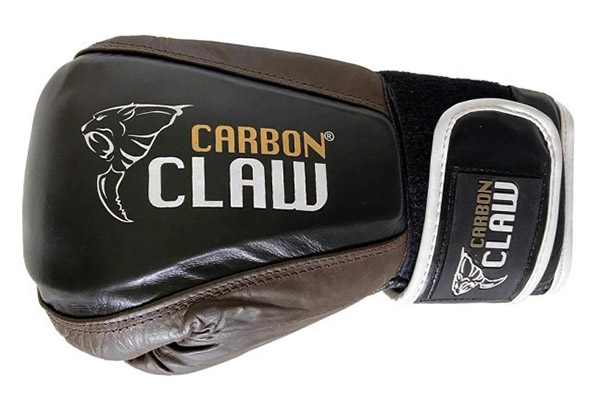
That’s the lane the Carbon Claw Recoil RB-7 Series Bag Gloves are trying to own in the U.S. market: dependable bag gloves without the premium-brand price jump. Not flashy. Not built for sparring. Just a straightforward training glove aimed at bag work, mitt rounds, and regular gym sessions where hand protection matters more than branding.
For U.S. boxers, that matters a lot. Many American gyms push heavy bag volume hard, and plenty of home gym users pile on round after round without rotating multiple pairs. In that kind of setup, a glove has to do three things well: absorb impact, stabilize the wrist, and survive regular use. The RB-7 gets surprisingly close on all three.
Overview of the Carbon Claw Recoil RB-7 Series Bag Gloves
The Carbon Claw Recoil RB-7 Series Bag Gloves are built specifically for bag and pad training. That distinction matters because bag gloves and sparring gloves solve different problems. On the bag, the glove needs to protect your hands from repetitive impact and keep the wrist from folding under pressure. In sparring, the priorities shift toward safer contact and softer external padding. The RB-7 is clearly on the bag-work side of that divide.
Key specifications
- Designed for heavy bag and pad work
- Multi-layer foam padding
- Hook-and-loop wrist strap
- Synthetic leather outer construction
- Available in common U.S. training weights
That puts the RB-7 into a crowded category. In American gyms, this is the shelf space dominated by Everlast, Ringside, Venum, Title Boxing, and a pile of Amazon brands that look better in photos than they do after a month of training. The interesting part here is that the RB-7 doesn’t try to win on hype. It tries to win by being structurally sound.
And honestly, that’s usually the smarter bet for bag gloves.
Design and Build Quality
The first thing you notice is that the RB-7 feels more put together than a lot of bargain gloves. Not luxurious. Not especially refined. But shaped with intent.
Materials and construction
The glove uses:
- A synthetic leather outer shell
- Reinforced stitching
- Layered foam padding
- A breathable palm section
Synthetic leather gets dismissed too quickly sometimes. Genuine leather still has the edge for long-term durability and that broken-in feel, no question there. But synthetic gloves in this price range often live or die on structure, not material prestige. The RB-7 benefits from that. The shell feels firm enough to hold its shape, and the stitching looks clean rather than rushed.
That matters more than people think. Loose stitching on a bag glove is usually the first sign that trouble is coming. Not dramatic trouble at first. Just tiny failures. A seam starts to pull. The thumb pocket loosens a bit. The wrist strap begins to feel crooked. The RB-7 doesn’t give off that kind of early warning signal.
Compared with lower-end $30 to $40 gloves commonly sold online, the RB-7 feels more structured through the wrist and backhand. That extra shape helps during hard straight punches, especially once fatigue sets in and punch mechanics get a little messy. Which, in real training, they often do.
Fit and Comfort
Fit is where a lot of good-looking gloves fall apart. You can forgive average materials. You can live with a plain design. But a bad fit wears on you fast.
The RB-7 has a snug hand compartment, and that’s a good thing for bag work. The fit doesn’t feel sloppy inside, so your hand stays more stable on impact. The thumb position is secure without forcing an awkward angle, and the inner lining feels comfortable enough for longer sessions.
What the fit feels like in practice
For most U.S. gym users, hand wraps are part of the routine, especially 180-inch wraps. With wraps on, the RB-7 still fits in a way that feels controlled rather than cramped. That’s a nice balance because some entry-level gloves either squeeze too hard around the knuckles or leave too much dead space in the palm.
Here, the padding feels firm but not brick-like. That distinction matters. Some bag gloves confuse firmness with protection and end up feeling harsh for the first several weeks. The RB-7 has a shorter break-in period. Usually, one or two sessions is enough to get comfortable.
A few fit notes stand out:
- The hand compartment feels secure for wrapped hands
- The thumb sits naturally, without that twisted feeling some cheap gloves create
- The interior lining avoids the scratchy, plasticky feel common in lower-tier models
- The glove doesn’t feel overly bulky on the end of the punch
That last point is easy to overlook. Big, puffy gloves can make bag work feel softer, but they also disconnect you from the punch. The RB-7 gives enough feedback to stay useful for technique work while still taking the edge off repeated impact.
Wrist Support and Protection
This is probably the strongest selling point of the RB-7.
Bag work exposes weak wrist support fast. Hooks on a dense bag. Hard jabs when your shoulders are tired. Right hands that land a little off line. That’s where beginner gloves often betray you. The padding may be passable, but the wrist starts to wobble.
The RB-7 uses a wide hook-and-loop strap and a fairly firm wrist cuff, which gives the glove a more locked-in feel than many beginner options sold through big-box sporting goods stores. It doesn’t deliver premium fight-gym stiffness, but it does enough to make you trust the glove during regular sessions.
Protection features that actually matter
The glove’s protection comes from a few simple things working together:
- Wide wrist strap for a tighter closure
- Balanced foam density for shock absorption
- Stable cuff structure to reduce wrist bend
- Secure hand positioning to limit internal shifting
That combination matters more than any marketing phrase stamped on the glove. Plenty of gloves talk about “advanced protection” and then feel hollow once the bag starts thumping back. The RB-7 avoids that problem. Protection feels practical, not theatrical.
For beginners and intermediates training roughly two to four times per week, the support is more than adequate. For harder punchers or more advanced athletes, the ceiling is lower than what premium leather gloves offer, but that’s also the trade-off built into the price.
Performance on the Heavy Bag
This is where the review really lives. Everything else is setup.
On the heavy bag, the RB-7 performs like a glove that understands its job. Impact absorption is solid. The knuckle line feels natural. The glove keeps its shape during repeated rounds, and the hand stays stable inside.
Now, not every bag glove needs to feel soft. Sometimes soft just means mushy. The better test is whether the glove dulls harsh impact without making punches feel vague. The RB-7 lands in that middle ground pretty well.
What stands out once the rounds add up
You notice a few things after regular bag sessions:
- Straight punches land clean without too much hand rattle
- Hooks feel supported as long as wrist alignment stays decent
- The foam doesn’t flatten quickly
- The glove stays consistent from the first round to the last
That consistency matters more than a dramatic first impression. Some gloves feel great for ten minutes and then expose all their weaknesses once sweat, fatigue, and volume pile up. The RB-7 holds together better than many gloves in its tier.
For fitness boxing, cardio boxing classes, traditional heavy bag sessions, and mitt work, the performance is reliable. The glove doesn’t pretend to be elite-level gear. It just keeps doing the basic job correctly, which is honestly rare enough.
Durability for American Gym Use
In the United States, a lot of boxers train in humid gyms, leave gloves in gym bags too long, or bounce between home setups and commercial facilities. Gloves take a beating from sweat, friction, repeated compression, and bad storage habits. Durability isn’t just about material quality. It’s also about how forgiving the glove is when real people use it like real people.
The RB-7 handles moderate to fairly regular use well for a synthetic glove.
Durability expectations
Under normal use, the glove tends to:
- Hold its stitching under repeated bag rounds
- Resist surface cracking if aired out properly
- Keep the wrist strap functional over months of training
- Maintain foam shape better than many cheaper alternatives
A realistic lifespan for this kind of glove is roughly 6 to 12 months with consistent training. That’s about what synthetic bag gloves in the mid-range category usually deliver. With lighter use, they may last longer. With intense daily bag work, especially in a hot gym, wear shows up sooner. That’s not a flaw unique to the RB-7. That’s just how this category behaves.
One small but important point: these gloves reward basic care. Air them out. Wipe them down now and then. Don’t leave them baking in a zipped bag. Gloves don’t need luxury treatment, but neglect speeds up damage in a hurry.
Price and Value in the U.S. Market
American buyers usually shop bag gloves across three broad tiers:
- Budget: $30 to $45
- Mid-range: $50 to $90
- Premium leather: $120 and up
The Carbon Claw Recoil RB-7 fits into that mid-range value conversation. That’s the sweet spot for a lot of U.S. buyers because it’s where gloves stop feeling disposable but haven’t yet crossed into luxury pricing.
The value here comes from balance. You’re not paying for premium leather, heritage branding, or boutique-level finishing. You’re paying for protection, decent comfort, good wrist support, and enough durability to justify regular use.
Comparison table: where the RB-7 fits
| Glove Category | Typical U.S. Price | What You Usually Get | How the RB-7 Compares |
|---|---|---|---|
| Budget bag gloves | $30–$45 | Basic foam, weaker wrist support, shorter lifespan | The RB-7 feels more stable and less flimsy, especially through the wrist and hand compartment |
| Mid-range synthetic gloves | $50–$90 | Better padding, improved fit, stronger stitching | This is the RB-7’s natural lane, and it competes well because it focuses on function over branding |
| Premium leather gloves | $120+ | Better long-term durability, richer feel, more refined fit | The RB-7 doesn’t match that polish, but the price gap is big enough that the trade-off feels fair |
From a day-to-day training perspective, the difference is pretty simple: cheaper gloves often feel fine until they don’t, while premium gloves usually feel better for longer. The RB-7 lives in the middle, where most bag-only users actually shop.
Who Should Buy the Carbon Claw Recoil RB-7 Series Bag Gloves?
These gloves make the most sense for people who want reliable bag performance without stretching past the $100 mark.
Best for
- Beginner boxers
- Fitness boxing enthusiasts
- Heavy bag users
- Home gym owners
- Budget-conscious athletes
That includes the person training three nights a week after work, the home gym user putting in conditioning rounds, and the newer boxer trying to avoid the usual starter-glove mistakes. This glove is especially practical for someone who wants a dedicated bag glove rather than one pair trying to do everything.
Not ideal for
- Sparring sessions
- Professional competition
- Advanced fighters seeking premium leather gear
That’s the line to keep clear. The RB-7 is not a do-it-all glove. It’s a bag glove. Used inside that role, it makes sense. Used outside it, the limits show up fast.
Pros and Cons
Every glove has a trade-off, and this one does too.
Pros
- Strong wrist support for the price
- Good shock absorption on the heavy bag
- Comfortable, secure fit with wraps
- Solid durability for a synthetic glove
- Competitive value in the U.S. market
Cons
- Synthetic leather lacks the premium feel of genuine leather
- Not suitable for sparring
- Fewer high-end features than premium training gloves
Where those trade-offs land in real life
The biggest strength is that the RB-7 gets the fundamentals right. You feel supported. You feel protected. You don’t feel like the glove is falling apart in your hands after a handful of tough sessions.
The biggest limitation is that it never quite escapes its category. You can tell it’s a mid-range synthetic bag glove. The finish is simpler. The long-term durability won’t touch top-tier leather models. The feel is functional rather than special. But for a lot of U.S. boxers, that’s enough. More than enough, actually.
Final Verdict: Are They Worth It for U.S. Boxers?
Yes, for bag work, the Carbon Claw Recoil RB-7 Series Bag Gloves are worth a serious look.
They offer the things that matter most in this category:
- Balanced protection
- Reliable wrist support
- Durable construction for the price
- Strong value for U.S. buyers
That doesn’t make them perfect. It makes them useful. And useful gear tends to stick around in a gym longer than flashy gear does.
If your training revolves around heavy bag rounds, mitt work, conditioning circuits, and regular gym sessions, the RB-7 does the job with very few surprises. In a market full of gloves that overpromise and underdeliver, that’s actually a pretty strong compliment. For American boxers who want dependable protection without crossing into premium pricing, this pair earns its place.