
Walking into your first sanctioned amateur bout with the wrong gloves is one of those moments you don’t forget. The ringside inspector flags you, your corner scrambles, and suddenly the fight you spent months preparing for is in jeopardy before the opening bell. It’s a surprisingly common situation — and entirely avoidable.
Amateur competition boxing gloves aren’t just gear. They’re a compliance document you strap to your hands.
This guide breaks down everything you need to know: the rules, the specs, the brands worth trusting, and the mistakes that cost fighters dearly at the equipment table.
What Are Amateur Competition Boxing Gloves?
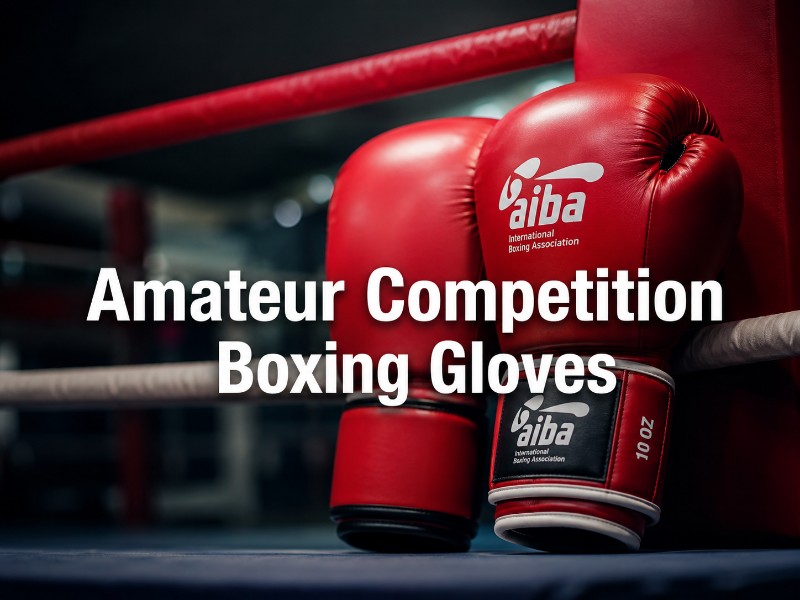
Competition gloves are purpose-built for sanctioned amateur bouts — not the gym, not sparring, not bag work. They’re designed to meet regulatory standards set by USA Boxing and the International Boxing Association (IBA), with uniform padding distribution, specific ounce weights, and color requirements tied to your corner assignment.
Here’s what catches people off guard: competition gloves look similar to training gloves but behave very differently. The padding is firmer and more evenly distributed. The construction prioritizes regulatory compliance and scoring clarity over the shock absorption you’d want in everyday sparring. They’re tools for performing in an official contest, not for protecting your knuckles through five rounds of heavy bag work.
Think of it this way — training gloves are work boots, and competition gloves are dress shoes. Both cover your feet, but you wouldn’t wear one to the other’s occasion.
USA Boxing Rules for Amateur Competition Gloves
USA Boxing maintains strict equipment standards that align closely with IBA international regulations. Getting familiar with these before you buy — not after — saves you real headaches.
Weight requirements by division:
| Division | Required Glove Weight |
|---|---|
| Youth (under 132 lbs) | 10 oz |
| Open/Elite (under 141 lbs) | 10 oz |
| Open/Elite (141 lbs and above) | 12 oz |
Gloves must be red for the red corner and blue for the blue corner. This isn’t a stylistic preference — it’s a scoring and identification requirement that referees and judges rely on during the bout. Some approved gloves come in sets; others are sold by color individually.
Every pair must carry USA Boxing or IBA approval markings. At National Championships, Golden Gloves events, and most regional tournaments, equipment inspectors examine gloves before you ever get near the ring. They’re checking for proper weight, approval stamps, structural integrity, and color compliance. Showing up with unmarked or unapproved gloves means you’re not competing that day.
The lesson most athletes learn the hard way: don’t assume. Verify approval status before purchasing, and bring documentation if you have it.
Amateur Competition Gloves vs Training Gloves
The differences go deeper than most people realize until they’ve used both in their proper context.
| Feature | Competition Gloves | Training Gloves |
|---|---|---|
| Padding Distribution | Uniform, firm | Varies; more cushioning overall |
| Weight | Standardized (10 or 12 oz) | Range from 12–18 oz |
| Closure | Hook-and-loop or lace-up | Usually hook-and-loop |
| Color Options | Red and blue (required) | Any color |
| Intended Use | Sanctioned bouts only | Bag, mitts, sparring |
| Durability Focus | Competition performance | Long-term gym use |
Training gloves are built for volume. You’re hitting pads three times a week, going rounds on the heavy bag, doing controlled sparring — the glove needs to absorb punishment over hundreds of sessions. The padding is typically thicker and more forgiving.
Competition gloves are built for precision and compliance. The firmer padding actually helps with punch speed and scoring impact, since judges award points based on clean, effective punches. More padding diffuses impact; competition-spec padding focuses it.
The wrist support also differs. Training gloves often feature broader, more padded wrist cuffs. Competition gloves tend toward a cleaner, tighter fit — enough support to be legal and functional without adding bulk.
Using competition gloves for heavy bag training will wear them out fast and may compromise their structural integrity before a tournament. Keep them separate.
Understanding 10 oz and 12 oz Amateur Competition Gloves
The weight distinction matters more than it sounds.
10 oz gloves are used in lighter weight divisions — typically for fighters competing at or below 141 pounds in senior divisions, and throughout most youth classifications. At 10 oz, gloves are lighter and slightly more compact, which tends to favor speed-oriented fighters.
12 oz gloves come into play for heavier divisions. The additional two ounces adds a bit more coverage and impact surface, which makes sense given the increased force heavier athletes generate.
From a performance standpoint, the difference in punch speed between 10 and 12 oz competition gloves is relatively minor at the elite level. Where it matters more is comfort and fit — a fighter with smaller hands in a 12 oz glove may feel the thumb positioning differently, which affects how punches land and how clean the technique looks to judges.
Hand wraps are still required under competition gloves, even at the amateur level. USA Boxing specifies maximum wrap length and material, so double-check those requirements too.
Key Features to Look for in Amateur Competition Boxing Gloves
Not all approved gloves are created equal. Within the approved category, here’s what actually separates a good pair from a great one.
Genuine leather construction holds up better under the stress of a real bout and maintains its shape fight after fight. Synthetic leather options exist and some are approved, but genuine leather tends to offer better durability and a more consistent feel over time.
Hook-and-loop closure is the most common for amateur competition — it allows corner staff to adjust fit quickly between rounds. Some competition gloves feature lace-up closures for a tighter, more customized fit, though these require someone to lace them before the bout begins.
Attached thumb design is now essentially standard in USA Boxing-approved gloves. The thumb is secured to the main body of the glove, which significantly reduces the risk of thumb injuries and accidental eye contact — both safety and legal considerations in regulated competition.
Consistent padding density matters for scoring. Uneven padding creates dead spots where punches don’t register with the same impact. Competitive-grade gloves maintain density across the knuckle area through rigorous construction standards.
Breathability affects comfort over multiple rounds. Mesh panels or perforated leather in the palm area help manage moisture and heat during a fight — a small detail that becomes very noticeable by round three.
Best Amateur Competition Boxing Glove Brands in the United States
These are the brands that consistently show up at USA Boxing events — not because of marketing, but because fighters trust them and inspectors approve them.
Ringside has been outfitting American amateur boxers for decades. Their competition line is reliable, widely approved, and available in both 10 and 12 oz. Probably the most commonly seen glove at regional tournaments.
Title Boxing offers solid mid-range competition options with good availability through U.S. retailers. Worth considering if budget is a factor and you’re competing at the club or regional level.
Adidas Boxing is particularly strong at the elite and national level. Their competition gloves align closely with IBA standards, which makes them a go-to for fighters who travel internationally or compete in higher-level USA Boxing events.
Sting Sports has grown its presence in American amateur boxing significantly, partly through IBA partnerships. Their gloves are built to international specifications and hold up well in inspection.
Cleto Reyes is primarily known for professional boxing, but their competition models do appear in high-level amateur settings. The quality is exceptional — so is the price. Worth it if you’re competing seriously at the national level and want gloves that fit like they were made for your hand.
How to Choose the Right Amateur Competition Boxing Gloves
Start with your tournament. Before anything else, get the specific equipment regulations for the event you’re entering. USA Boxing regional rules can vary slightly from national championship requirements, and international competitions follow IBA standards which may differ further.
Once you know the requirements, match glove weight to your division. Don’t assume — confirm. Weight classes shift, and eligibility factors sometimes affect which weight glove applies to your specific category.
Fit matters more in competition than in training. Your hand should fill the glove without cramping, and the wrist closure should feel secure without cutting off circulation. Try gloves on with wraps, since that’s how you’ll wear them in the ring.
Durability becomes a factor if you’re competing multiple times per year. A higher-quality glove at $150–$200 will outlast two cycles of budget options and maintain structural integrity for inspection purposes.
Pricing in the U.S. market roughly breaks down like this:
- Entry-level approved gloves: $60–$100
- Mid-range competition gloves: $100–$160
- Premium competition gloves: $160–$250+
Going below $60 for approved competition gloves is risky. The approval markings may not hold up to scrutiny, and the construction often doesn’t meet the consistency standards inspectors look for.
Caring for Amateur Competition Boxing Gloves
Competition gloves don’t need the same frequency of care as training gloves — you’re not beating them up daily — but they do need consistent attention to stay in inspection-ready condition.
After each bout or training session where you wear them, wipe the exterior with a slightly damp cloth and let them air dry fully. Never leave them sealed in a bag while still damp. That’s how odor and bacterial growth take hold.
An antimicrobial spray inside the glove after use goes a long way toward odor prevention. Glove deodorizers — the cedar or activated charcoal kind — work well when stored inside the glove between uses.
For leather gloves, a light application of leather conditioner every few months keeps the material from drying and cracking. This matters for competition gloves specifically because cracked or compromised leather can raise flags during equipment inspection.
Store them somewhere with decent airflow, not compressed at the bottom of your gym bag. Shape matters — a glove that’s been crushed over months may not pass a thorough ringside inspection.
Common Mistakes When Buying Amateur Competition Boxing Gloves
Buying non-approved gloves is the biggest and most expensive mistake. Great-feeling gloves that don’t carry USA Boxing or IBA approval are useless on competition day. Always verify approval status before purchasing, ideally by cross-referencing with USA Boxing’s current approved equipment list.
Confusing sparring gloves with competition gloves happens more than you’d think, especially among newer fighters. The terms get used loosely at gyms. Sparring gloves are typically heavier (14–18 oz), less color-specific, and built for protection rather than performance and compliance.
Ignoring tournament-specific rules is a close second. Buying 12 oz gloves for a division that requires 10 oz, or arriving with the wrong corner color, creates problems that no amount of last-minute scrambling fixes at inspection.
Prioritizing price over compliance is shortsighted. A $50 glove that doesn’t pass inspection costs you the bout entry fee, travel, preparation time, and opportunity. Compliance is the non-negotiable baseline.
Frequently Asked Questions
What gloves are approved for USA Boxing competitions?
USA Boxing maintains an approved equipment list on their official website. Approved brands typically include Ringside, Adidas Boxing, Sting Sports, and Title Boxing, among others. Approval status can change, so check the current list before purchasing rather than relying on general reputation.
Are amateur competition gloves different from professional boxing gloves?
Yes, meaningfully so. Professional gloves aren’t standardized the same way — pro fighters often use gloves specific to promoter or sanctioning body agreements, and weights vary differently by division. Amateur competition gloves follow IBA and USA Boxing specs designed for a uniform, judge-scored environment.
Can you use competition gloves for training?
Technically yes, but it’s not recommended. Competition gloves aren’t built for the repetitive stress of daily training. Using them on the heavy bag regularly will wear down the padding faster and potentially compromise the structural integrity you need for inspection. Keep a separate pair for the gym.
What glove weight is required for amateur bouts?
Roughly speaking, 10 oz for lighter divisions (generally under 141 lbs in senior competition) and 12 oz for heavier divisions. Youth divisions have their own specifications. Always confirm with your specific tournament’s rules, since classification systems can differ slightly between events.
How much do amateur competition boxing gloves cost in the United States?
Expect to pay between $80 and $200 for a quality pair of approved competition gloves. Budget options exist in the $60–$80 range, but quality and approval reliability become concerns at that price point. National-level competitors typically invest in the $150–$250 range for gloves that fit well, hold up through a full tournament, and pass inspection without issue.
Final Thoughts
Getting your competition gloves right is genuinely one of the lower-stress parts of preparing for an amateur bout — once you know the rules. The equipment is specific, the regulations are clear, and the approved brands are well-established.
Do the homework before you buy. Match your glove to your division, verify approval, and keep them in good condition between fights. Everything else is just boxing