
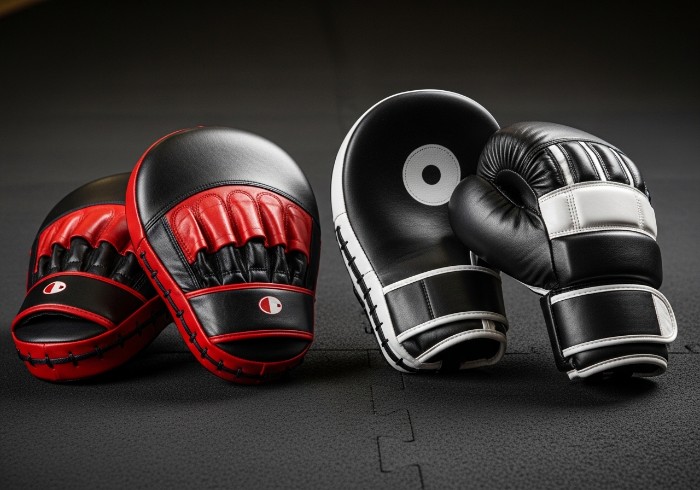

You usually notice the difference between good boxing gear and bad boxing gear the hard way.
Maybe your wrists feel a little off after a few rounds. Maybe the padding in cheap gloves collapses after two months. Or maybe you’re halfway through a mitt session thinking, why does this feel awkward?
I’ve spent a lot of time around boxing gyms—some polished studios, some gritty garage setups—and one thing becomes obvious pretty quickly: the right gloves change everything. Your punches land cleaner. Your hands feel safer. And the entire rhythm of training improves.
Focus mitt gloves and pad work gloves sit at the center of that system. They look simple, but they serve very different roles. Once you understand how each works, choosing gear gets a lot easier.
Let’s break it down.
What Are Focus Mitt Gloves?
Focus mitt gloves are worn by the trainer or coach. Their job is simple: safely catch punches while guiding combinations.
But in practice, mitt work is more than just catching shots. It’s a communication system between coach and fighter.
In most American boxing gyms—especially the busy ones in places like New York or Las Vegas—mitt sessions shape how fighters develop timing, defense, and rhythm. The coach moves the mitts, calls combinations, and reacts to what you throw.
Core features you’ll notice immediately
Most focus mitt gloves include:
- Dense multi-layer foam padding
- Curved striking surfaces that match natural punch angles
- Fingerless or half-finger designs for mobility
- Adjustable Velcro wrist straps
The curved padding matters more than people realize. Flat mitts absorb punches, sure, but curved mitts actually guide punches into the center pocket. Over time, that feedback improves your accuracy.
And accuracy—not raw power—is what mitt drills are really about.
You’ll see this in gyms across the U.S. Trainers running fast combination sequences:
- Jab → cross → hook
- Slip → counter → hook
- Double jab → body cross
It becomes a rhythm exercise. Hand-eye coordination meets conditioning.
And when the mitts are well built, sessions can run hard for 6–10 rounds without destroying the coach’s hands.
What Are Pad Work Gloves?
Pad work gloves are worn by the striker—that’s you during training.
They’re lighter than sparring gloves and designed for speed. When you throw combinations on pads, you want responsiveness. Big bulky gloves slow everything down.
Most pad work gloves sit in the 10–14 ounce range, though some fighters train with 16 oz for conditioning.
Typical characteristics
Pad work gloves usually include:
- Lightweight foam padding
- Slim profiles for precision
- Breathable inner lining
- Strong wrist wraps for support
You’ll see these gloves everywhere in American fitness boxing classes. Boutique studios love them because they’re easy to put on and remove during circuit workouts.
Think of a typical HIIT boxing class in Chicago or Austin:
- Jump rope warm-up
- Pad work rounds
- Heavy bag intervals
- Core conditioning
Quick glove transitions matter in that environment.
In a traditional boxing gym, pad work gloves serve a different purpose: refining technique at speed. When gloves are lighter, your hands move faster. Faster hands reveal mistakes in your mechanics.
That’s when coaches start correcting things.
Focus Mitts vs Pad Work Gloves: Key Differences
People sometimes confuse the two tools. But inside a gym, their roles are pretty clear.
| Feature | Focus Mitt Gloves | Pad Work Gloves |
|---|---|---|
| Worn by | Coach or trainer | Fighter or student |
| Purpose | Catch punches | Deliver punches |
| Padding | Thick, shock-absorbing foam | Moderate, responsive padding |
| Weight | Lightweight for mobility | Typically 10–16 oz |
Here’s what I’ve noticed after years watching pad sessions unfold.
When mitts are high quality, coaches move faster and create better drills. The session flows.
When gloves are well balanced, fighters throw cleaner combinations without overthinking.
If either piece of gear is poorly designed, everything feels clumsy.
It’s subtle. But it changes the whole workout.
Materials and Build Quality
American buyers tend to look at two things: durability and value per dollar.
And honestly, that’s reasonable. Boxing gear takes a beating.
Common glove materials
| Material | Typical Price Range | Durability |
|---|---|---|
| Synthetic leather | $30–$60 | Moderate |
| Genuine leather | $80–$150 | High |
| Gel-infused padding | $90–$150 | High shock absorption |
Synthetic leather gloves work fine for beginners. They’re affordable and easy to maintain.
But over time—especially if you train three or four times a week—the seams start showing wear. I’ve seen synthetic gloves flatten within six months.
Leather gloves last longer. The stitching holds better, and the padding retains shape.
Brands like Everlast, Ringside, and Title Boxing usually reinforce wrist areas with thicker padding. That extra wrist stabilization becomes noticeable during longer sessions.
How to Choose the Right Gloves in the US Market
The best gloves depend less on brand and more on how you train.
Different training styles place different stress on gear.
Training goals matter
Here’s how most fighters think about it:
- Fitness boxing → lighter gloves, breathable interior
- Amateur competition → balanced padding and wrist support
- MMA cross-training → compact gloves for speed work
- Personal training sessions → quick on/off Velcro designs
Budget ranges in the US
| Category | Price Range | Typical Buyers |
|---|---|---|
| Entry level | $30–$60 | Beginners, casual workouts |
| Mid range | $60–$100 | Regular gym members |
| Premium | $100–$150+ | Coaches and serious fighters |
What I’ve found interesting is that mid-range gloves—around $80–$100—often deliver the best balance. Cheap gloves wear out. Premium gloves are fantastic, but sometimes overkill for casual training.
Fit also matters more than people think.
Loose gloves reduce punch control. Tight gloves restrict circulation. When gloves feel “invisible” on your hands, that’s usually the sweet spot.
Safety and Injury Prevention
Hand injuries show up a lot in boxing.
Beginners especially tend to experience:
- Wrist sprains
- Knuckle bruising
- Metacarpal stress
Those metacarpal bones—basically the long bones in your hand—take the brunt of impact when punches land poorly.
And here’s the thing.
Most injuries aren’t caused by punching too hard. They happen when technique breaks down during fatigue.
Small habits that reduce injury risk
In most gyms, coaches repeat the same safety basics:
- Wrap your hands before every session
- Use gloves with adequate padding
- Avoid marathon bag sessions without rest
- Replace gloves when padding compresses
Hand wraps stabilize your wrist alignment. Without them, even good gloves can’t fully protect your joints.
I learned that lesson after a week of sore wrists early in my own training days. Once wraps became routine, the discomfort disappeared.
Top US Brands for Focus Mitt and Pad Work Gloves
Several brands dominate the American boxing equipment market.
You’ll see these names almost everywhere:
- Everlast
- Title Boxing
- Ringside
- Venum USA
- Hayabusa
Each brand targets slightly different users.
Everlast focuses heavily on entry-level and mid-range gear. Title Boxing leans toward traditional boxing gyms. Hayabusa often appeals to MMA athletes who want advanced wrist support.
Most of these products appear in major retailers like:
- Amazon US
- Dick’s Sporting Goods
- specialty boxing shops
Availability matters. When gloves wear out—and eventually they do—you want replacements easily accessible.
Training Tips for Better Pad Work Sessions
Good pad sessions combine speed, accuracy, and conditioning.
But beginners sometimes jump straight into power shots. That’s usually when technique falls apart.
Many coaches structure mitt sessions around 3-minute rounds, matching official boxing round length.
A typical session might look like this:
- 3 rounds jump rope warm-up
- 3 rounds jab-cross combinations
- 3 rounds defensive slips and counters
- 2 rounds conditioning drills
The defensive rounds are where things get interesting.
When a coach slips mitts or counters back, you start reacting instead of memorizing combinations. Your brain works harder. Your timing sharpens.
And suddenly mitt work feels like a chess match instead of a workout.
Care and Maintenance
Boxing gloves collect moisture quickly.
Sweat, heat, and bacteria build up inside the padding. Leave gloves sealed in a gym bag for a few days and—well—you’ll know.
Maintenance habits that help
A few simple routines keep gear usable longer:
- Air dry gloves after every session
- Use glove deodorizers
- Avoid storing gear in closed gym bags
- Clean interiors with antibacterial spray
Humidity makes this worse. Fighters training in places like Florida or Texas deal with faster wear because moisture sits in the padding longer.
Dry storage keeps foam resilient and prevents odor buildup.
Are Focus Mitt Gloves Worth the Investment?
If you train two or three times a week, decent gloves quickly justify their cost.
Cheap gloves often break down within months. Padding compresses. Wrist straps loosen.
Replacing $40 gloves twice in one year ends up costing more than buying one solid $100 pair upfront.
That math becomes obvious pretty quickly.
Focus Mitt Gloves and Pad Work Gloves for Home Gyms
Home boxing setups became far more common after 2020.
Garage gyms, spare rooms, basement workout areas—you see them everywhere now.
A simple setup doesn’t require much equipment.
Typical home boxing setup
Many people start with:
- Pad work gloves
- Focus mitts
- Heavy bag
- Hand wraps
- Interval timer app
Altogether, a functional setup often lands under $300 depending on gear quality.
And honestly, that’s enough to run effective boxing workouts for years.
Final Thoughts on Choosing the Right Gear
Focus mitt gloves and pad work gloves work together. One guides the punches. The other delivers them.
When both pieces fit well and absorb impact properly, training becomes smoother, safer, and a lot more enjoyable.
Your hands stay protected. Your combinations sharpen. Your sessions last longer without fatigue creeping into your wrists.
And after enough rounds, something interesting happens.
Punches stop feeling like isolated movements. They become rhythm. Reaction. Timing.
Good gear doesn’t create that skill—but it definitely makes the path toward it a lot less painful