
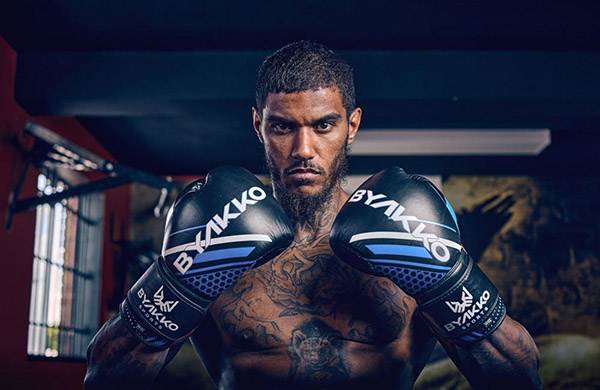

Walk into a boxing gym almost anywhere in the U.S. right now and you’ll notice the crowd has changed. It’s not just fighters preparing for bouts. There are office workers hitting the heavy bag after work, college students taking fitness boxing classes, and total beginners buying their very first pair of gloves.
And that’s exactly when the review-searching starts.
Buying boxing gloves isn’t like grabbing a water bottle. You’re protecting your hands — and a bad pair means sore knuckles, wobbly wrist support, and gear that falls apart before the year’s out. So whether you’re training for fitness or stepping into your first gym, the questions are always the same: Are they comfortable? Do they actually protect your wrists? And honestly — are they worth the money?
That’s what this review is here to answer. Byakko boxing gloves have been quietly showing up in Amazon searches, gym bags, and beginner gear lists. They’re positioned as affordable training gloves for fitness boxers and beginners doing bag work or mitt drills. Not premium fight gear. But not throwaway gear either — and that middle space is worth understanding before you spend anything.
Key Takeaways
- Byakko gloves prioritize comfort and wrist support, which works well for beginners and intermediate fitness boxers
- Padding holds up through bag sessions and mitt drills, especially in 12oz, 14oz, and 16oz weights
- Price stays under $100, putting them in the same range as Everlast and Venum entry-level options
- Durability is real but not unlimited — synthetic leather construction does have a ceiling, especially with heavy daily use
- Best fit: fitness boxing, bag training, and light sparring — not professional competition
What Are Byakko Boxing Gloves?
Byakko is a boxing gear brand built around entry-level training gloves for fitness boxing and amateur fighters.
You’ll find them mostly on Amazon and online sporting retailers — which tells you something about who they’re selling to. They’re not trying to compete with Winning or Cleto Reyes. The target buyer looks more like this: someone joining their first boxing fitness class, a beginner setting up a bag at home, or an amateur fighter who needs affordable backup gloves without spending $200.
The positioning is honest. Accessible training gear, priced accordingly.
Design and Build Quality
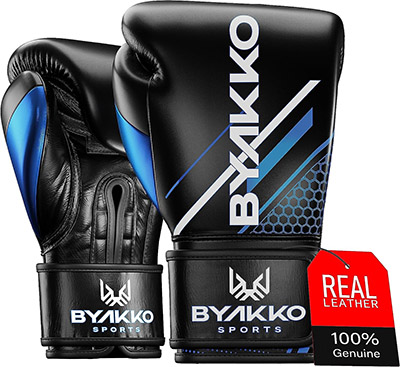
Most Byakko gloves use synthetic leather (PU leather) rather than genuine leather. That single choice shapes everything else — the price, the durability ceiling, and who these gloves are actually right for.
Here’s what you’ll find inside the construction:
- Multi-layer foam padding for shock absorption across the knuckle area
- Reinforced stitching along the seams (not just around the thumb, which budget gloves sometimes skip)
- Velcro wrist strap closure — easy to adjust mid-session, no laces to deal with
- Palm ventilation holes to help airflow during longer rounds
The glove shape is worth noting. The padding curves naturally around your fist, which supports better punch alignment — and that’s not a given at this price point. Some budget gloves are flat across the knuckles and you feel it pretty quickly on the bag.
That said, synthetic leather does wear. If you’re training five or six days a week and grinding the heavy bag every session, you’ll likely see surface wear before the year mark. That’s true across most gloves in this bracket, not just Byakko.
Comfort and Fit
This is where Byakko tends to outperform expectations.
The interior lining feels soft from the first session — not that stiff, plasticky feel that some budget gloves have for the first few weeks. The hand compartment fits well when you’re wearing hand wraps (which you should be, every time). Without wraps, larger sizes can feel slightly roomy.
A few things that stand out during longer bag sessions:
- Knuckle padding spreads impact evenly, so you’re not feeling hot spots after heavy combinations
- Wrist support stays stable through straight punches and hooks
- Breathable lining reduces sweat buildup — not perfectly, but noticeably better than some competitors
Break-in time is short. Some gloves take weeks to soften up. These feel usable after a couple of sessions.
One honest caveat: fighters with very large hands sometimes mention tight finger compartments, especially in the smaller oz sizes. Worth checking the size guide before ordering.
Performance for Different Training Types
Here’s the practical breakdown — how do these actually hold up in a gym?
Heavy bag training is where they work best. The impact foam absorbs shock reliably, and your knuckles stay protected even during longer, harder rounds. You’re not going to feel like your hands are floating, but the padding does its job.
Pad work with coaches feels solid too. Punch feedback is crisp, and the glove shape helps maintain wrist alignment when you’re throwing fast combinations. (This matters more than people realize — bad glove shape throws off your form over time.)
Boxing fitness classes are honestly the sweet spot for these. Bag rounds, mitt work, conditioning drills — they hold up well through all of it.
Light sparring is possible in the 16oz models, though training partners who spar seriously tend to prefer gloves with denser padding. For casual rounds or intro sparring, they’re fine.

Durability and Longevity
With regular gym use — roughly 3 to 4 sessions per week — expect about 8 to 14 months from a pair of Byakko gloves.
That’s a reasonable lifespan for the price range. The most common wear points are:
- The palm ventilation areas (the stitching around the holes can loosen)
- The outer synthetic leather surface (especially on the back of the hand)
- Knuckle padding compression over time
A few habits extend glove life noticeably:
- Air them out after every workout — don’t zip them in a gym bag while they’re still damp
- Use hand wraps every session to reduce the sweat that gets absorbed by the interior
- Store them somewhere ventilated, not crammed in a closed bag overnight
Boxing gear ages fast when moisture stays trapped inside. That’s true for every glove brand.
Price and Value
Most Byakko boxing gloves fall between $40 and $90 in the U.S., putting them squarely in the budget-to-mid-range category.
Here’s how they compare to a few familiar names:
| Brand | Typical Price | Materials | Best For |
|---|---|---|---|
| Byakko | $40–$90 | Synthetic leather | Beginners, fitness boxing |
| Everlast | $35–$120 | Synthetic / leather | Entry-level training |
| Venum | $70–$150 | Synthetic leather | Intermediate fighters |
| Ringside | $80–$180 | Leather options | Serious training |
Everlast has over a century of name recognition — fighters trust it simply because it’s been around. Venum skews toward MMA and performance gear. Byakko’s edge is more straightforward: comfortable training gloves at a price that doesn’t require a second thought.
For the performance you get at under $100, the value holds up.
Pros and Cons
Pros
- Comfortable interior lining from the first session
- Solid wrist support for bag work and pad drills
- Priced under $100 across most models
- Available in 12oz, 14oz, and 16oz weights
Cons
- Synthetic leather limits long-term durability compared to leather gloves
- Not built for serious or professional sparring
- Brand reputation is still growing — less peer feedback than legacy names
Who Should Buy Byakko Boxing Gloves?
These make the most sense if you’re:
- Starting your first boxing or fitness boxing classes and don’t want to spend $150+ before you know the sport sticks
- Setting up a home bag setup and need reliable gear without the premium price tag
- Training a few times a week for fitness rather than competition
- Looking for affordable backup gloves as an amateur fighter
Professional fighters getting ready for competition usually move toward higher-end leather gloves with more refined padding systems. That gap is real. But for a beginner? The difference in day-to-day training often isn’t dramatic enough to justify doubling the price.
Final Thoughts: Are Byakko Boxing Gloves Worth It?
For beginners and fitness boxers — yes.
They offer dependable hand protection, wrist stability, and solid padding for the training situations most people actually find themselves in: bag sessions, boxing classes, and occasional mitt work. They’re not going to last forever, and they won’t perform like a $200 leather glove. But they weren’t designed to.
If you’re just starting out, wrapping your hands for the first time, and getting ready for those first rounds on the heavy bag — these gloves do what they’re supposed to do. And for most people getting into boxing, that’s genuinely enough.
Frequently Asked Questions
Are Byakko boxing gloves good for beginners?
Yes. They’re comfortable, affordable, and don’t require much break-in time — which makes them a practical starting point for anyone new to boxing or fitness boxing classes.
What sizes do Byakko boxing gloves come in?
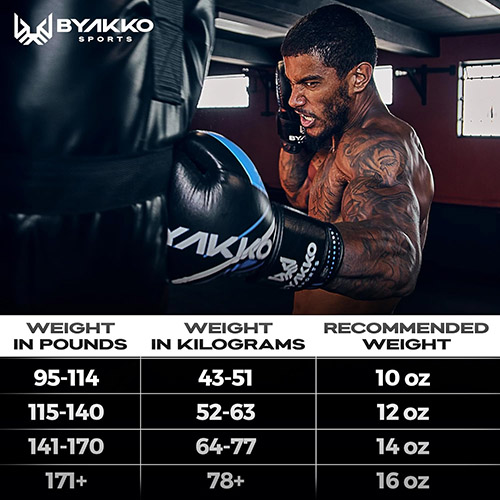
Most models are available in 12oz, 14oz, and 16oz. The 12oz works well for smaller-framed or lighter fighters; 14oz suits most adults doing bag and mitt work; 16oz is the standard for light sparring.
How long do Byakko gloves last?
With training 3–4 times per week, roughly 8–14 months is a reasonable estimate. Using hand wraps and airing gloves out after sessions extends that.
Can you spar with Byakko boxing gloves?
Light sparring in the 16oz models is fine. For regular, harder sparring sessions, gloves with denser padding are a better fit.
How do Byakko gloves compare to Everlast?
They’re in the same price bracket and both use synthetic leather at the lower price points. Everlast has a longer brand history and wider retail availability. Byakko tends to get positive marks on comfort out of the box, but Everlast has more documented long-term feedback from the boxing community.
Do Byakko gloves run true to size?
Generally yes, though fighters with larger hands sometimes find the finger compartments snug. Checking the brand’s size guide before ordering is worth the extra minute.
Are Byakko boxing gloves good for heavy bag work?
Yes — bag training is genuinely one of their strengths. The multi-layer foam padding absorbs impact well, and the knuckle coverage holds up through longer rounds.