

You know that moment in sparring when a clean shot lands and everything goes… slightly quiet? Not lights out, just enough to make you question your life choices for half a second. I’ve been there. Most fighters have. And that’s usually when people start asking, “How do I get a better chin?”
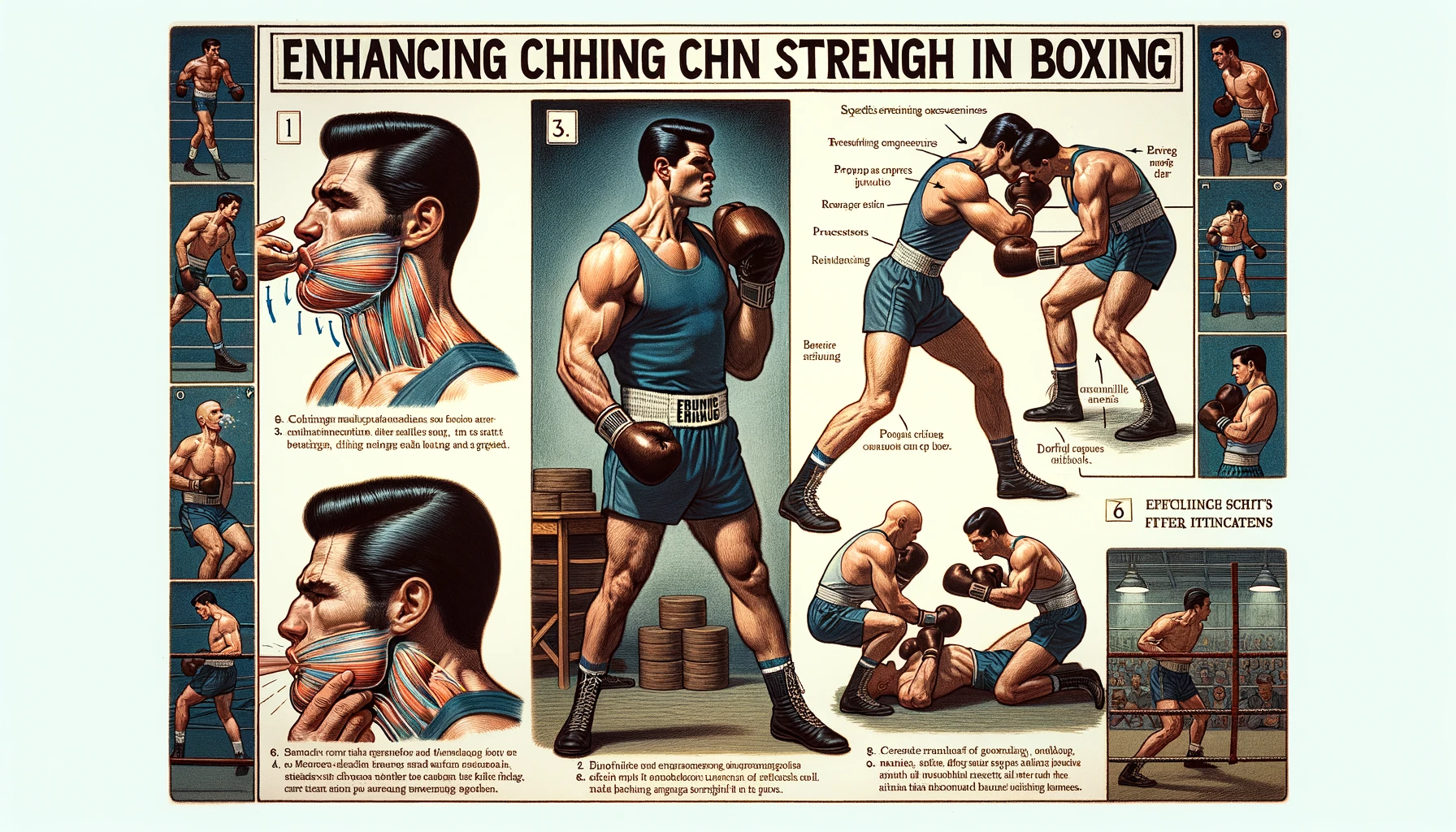
Chin strength is built—not inherited—through neck training, defensive skill, conditioning, and recovery habits that reduce impact and improve resilience.
But here’s the part people don’t love hearing: it’s less about becoming “tough” and more about becoming harder to hit clean. The fighters who last aren’t the ones eating shots for pride. They’re the ones who quietly remove damage from the equation.
What “Chin Strength” Actually Means in Real Life
Most beginners assume it’s about bone density or genetics. That idea sticks around way too long.
What actually happens when you get hit is simple: your brain shifts inside your skull. The sharper the head snap, the higher the risk of a knockout. That’s it. No mystery.
When you watch fighters like Canelo Álvarez or Gennady Golovkin, it looks like they’re built different. But if you slow the footage down, you’ll notice something else—shots don’t land flush often, and when they do, their bodies absorb part of the force.
Core factors that shape your “chin”:
- Neck stability (limits head snap)
- Jaw engagement (keeps structure tight)
- Balance (prevents knockdowns from off-axis hits)
- Defensive awareness (reduces clean impact)
- Conditioning (keeps reactions sharp late in rounds)
In most U.S. gyms I’ve trained in, especially ones tied to USA Boxing, coaches drill defense first. Not because it looks pretty—but because it keeps you in the sport longer.
Neck Strength: The Quiet Difference Maker
This is where things start to shift quickly if you’re consistent.
A stronger neck reduces how violently your head moves on impact. Less motion equals less trauma. It’s not glamorous training, though. No one’s posting neck holds on Instagram.
What tends to work:
- Isometric holds (front, back, lateral)
- Resistance band extensions
- Light harness work
- Neck bridges (only if you know what you’re doing)
Train it 2–3 times per week. Keep everything controlled. I’ve seen guys try to “power through” neck exercises like they’re curling dumbbells—it usually ends with stiffness or worse.
And honestly, your neck doesn’t respond well to ego. It responds to consistency.
Defense: The Skill That Saves Your Chin
Now here’s where most fighters get it backward.
They chase durability instead of reducing damage.
Watch Floyd Mayweather Jr. for five minutes. Not highlights—actual rounds. His shoulder roll, his distance control, his timing… he avoids shots that would drop other fighters.
Key defensive layers:
- Head movement (slips, rolls, pulls)
- Guard discipline (hands actually come back—simple, but rare)
- Footwork (angles over straight lines)
- Distance control (knowing when you’re safe vs. exposed)
Drills that actually translate:
- Slip rope work (old-school, still gold)
- Double-end bag reaction drills
- Light, controlled defensive sparring rounds
Most U.S. gyms enforce 16 oz gloves in sparring for a reason. It doesn’t eliminate damage, but it reduces cumulative wear.
Core Strength and Balance: The Hidden Armor
You don’t always get knocked out because you’re hurt. Sometimes you’re just out of position.
When your stance breaks, your body can’t absorb force properly. That’s when even a moderate punch sends you down.
Core work that matters for fighters:
- Pallof presses (anti-rotation strength)
- Dead bugs (coordination + stability)
- Medicine ball rotational throws
- Anti-rotation holds
A lot of strength coaches aligned with NSCA-style programming emphasize resisting movement, not just creating it. That distinction matters in boxing.
Balance, more than brute strength, keeps you upright when things get messy.
Conditioning: Your Chin Gets Worse When You’re Tired
This one’s frustrating because you feel it immediately.
Early rounds? You’re sharp. Slipping punches, reacting clean.
Later rounds? Hands drop. Feet slow. Shots land.
Conditioning directly affects your ability to protect your chin.
What you’ll see in most U.S. fight camps:
- Roadwork: 3–5 miles at steady pace
- Interval sprints: short bursts for recovery speed
- Heavy bag rounds: 3 minutes on, 1 minute off
- High-rep calisthenics circuits
Amateur formats like Golden Gloves demand repeat efforts across multiple bouts. Your conditioning isn’t just about one fight—it’s about recovery between them.
And yeah, when your gas tank dips, your “chin” suddenly feels a lot weaker. That’s not coincidence.
Smart Sparring vs Gym Wars
This is where careers quietly get shortened.
There’s always that one gym where sparring turns into a weekly war. People cheering. Coaches letting it go too long. It feels productive… until it’s not.
Most experienced trainers in the U.S. limit hard sparring to about once per week in camp.
A smarter structure looks like:
- Technical sparring days (light, focused)
- Situational rounds (defense-only, body-only)
- 16 oz gloves minimum
- Immediate stops after clean knockdowns
Here’s the reality: repeated unnecessary damage leads to long-term issues like CTE. Research out of places like Boston University has been tracking this for years.
You’re not proving toughness in sparring. You’re either building skill—or taking damage you’ll pay for later.
Recovery, Sleep, and Nutrition: The Overlooked Edge
This part feels boring until you ignore it.
If you’re sleeping 5–6 hours, your reaction time drops. Your ability to process incoming shots slows. According to CDC data, a large percentage of Americans are already sleep-deprived—and fighters feel that deficit immediately.
Basic structure that works:
- Protein sources: chicken breast, eggs, lean beef
- Carbs: brown rice, oats, sweet potatoes
- Hydration: roughly half your body weight (lbs) in ounces daily
- Electrolytes: during long sessions
Weekly grocery cost in the U.S. usually lands between $60 and $120 depending on location and quality.
Alcohol? It wrecks hydration and slows brain recovery. Fighters who keep it in during camp… you can usually tell by round three.
Jaw Strength and Mouthguards: Small Detail, Big Impact
A loose jaw is a problem.
When your mouth is open and relaxed on impact, your head absorbs more shock. A slightly clenched jaw stabilizes everything.
Use a mouthguard. Not optional.
Here’s how options compare:
| Mouthguard Type | Cost (USD) | Fit Quality | Protection Level | Real-World Feel |
|---|---|---|---|---|
| Boil-and-bite (e.g., Shock Doctor) | $15–$40 | متوسط | Moderate | Good enough for beginners, but shifts sometimes |
| Custom dental guard | $150–$300 | Excellent | High | Feels locked in, breathing improves noticeably |
In my experience, once you switch to a custom guard, you don’t go back. Breathing feels easier, and you’re not constantly adjusting it mid-round—which, oddly enough, reduces distraction more than you’d expect.
Mental Toughness and Fight IQ
People talk about “heart” like it’s separate from skill. It’s not.
When you get hit clean, your reaction matters:
- Breathe (most people forget this)
- Clinch if needed
- Move laterally
- Reset position
Fighters like Bernard Hopkins didn’t rely on toughness alone—they controlled situations. That’s a different kind of resilience.
Panic gets you hit again. Calm buys you time.
Know Where the Line Is
There’s a point where pushing through stops being productive.
You can’t train your brain to handle unlimited damage. That idea gets fighters in trouble.
If you notice:
- Dizziness
- Blurred vision
- Persistent headaches
- Balance issues
You step out. Not later. Immediately.
Organizations like USA Boxing enforce medical suspensions after knockouts. It’s not bureaucracy—it’s protection.
And yeah, it’s frustrating when you want to keep training. But long careers don’t come from ignoring warning signs.
Final Thoughts
Enhancing your chin isn’t about becoming indestructible. It’s about stacking small advantages—neck strength, defense, conditioning, recovery—until clean shots become rare and less damaging.
American boxing culture respects toughness. Always has. But the fighters who last 10–15 years, who make real money and leave with their faculties intact… they train differently.
They don’t chase damage.
They reduce it.