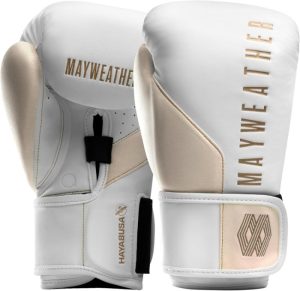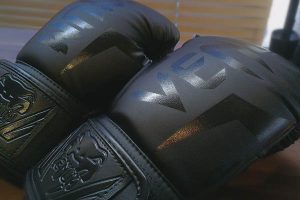


Something is shifting in how American fighters and fitness enthusiasts think about their gloves. It’s not dramatic — no one announced it — but walk into enough boxing gyms or browse enough combat sports stores online, and you’ll notice microfiber popping up on product pages where full-grain leather used to dominate. Brands like Hayabusa, TITLE Boxing, and Ringside are quietly expanding their synthetic lines, and the conversation at the bag is changing too.
So what’s driving this? And more importantly — should you care?
Microfiber boxing gloves have gone from budget filler to genuine contender in the U.S. market. That shift didn’t happen by accident. It happened because the material got better, the prices got smarter, and consumers started asking different questions — not just “how tough is this?” but “how long will it last, how easy is it to clean, and is it made responsibly?”
What Are Microfiber Boxing Gloves?
Microfiber is a synthetic textile made from ultra-fine polymer fibers — usually polyester or nylon — woven so densely that the resulting fabric mimics, and in some ways surpasses, the texture of natural leather. The fiber density is typically around 0.1 denier or finer, which creates a surface with impressive abrasion resistance and a smooth, almost suede-like feel.
This isn’t the plasticky vinyl of cheap beginner gloves from the 1990s. Modern microfiber used in combat sports gear is engineered with moisture control in mind — the tight weave wicks sweat away from the outer shell while remaining flexible enough to move with your hand. Manufacturers like Fairtex and Venum have invested in this material engineering specifically because it handles the demands of heavy training without peeling, cracking, or going stiff the way some genuine leathers do in humid conditions.
Winning and Cleto Reyes still swear by premium cowhide for their high-end lines. But even at the top of the market, the gap between well-made microfiber and quality leather is narrowing in meaningful ways.
Microfiber vs Leather Boxing Gloves: Key Differences
Here’s an honest comparison — not just the specs, but what those specs actually mean when you’re three rounds deep into a sparring session.
| Feature | Microfiber | Genuine Leather |
|---|---|---|
| Durability | Resists cracking in humidity; may compress over time | Can crack with neglect; ages beautifully with care |
| Break-in Period | Minimal — flexible almost immediately | 2-6 weeks for full comfort |
| Maintenance | Wipe clean, air dry; low effort | Requires conditioning; absorbs odor more easily |
| Price Range | $30-$200+ | $60-$400+ |
| Sustainability | Animal-free; lower water use in production | Depends heavily on tannery practices |
| Weight | Consistent across batches | Minor variation by hide quality |
Personal take: the break-in advantage alone makes microfiber worth serious consideration for anyone training five or more days a week. Leather gloves feel better at their peak — there’s something satisfying about a fully broken-in pair from a quality tannery. But that peak takes time, and a lot of people never get there before the gloves wear out.
Durability and Wear Resistance
At stress points — knuckle ridge, thumb attachment, wrist closure — microfiber holds up surprisingly well. It doesn’t crack when it gets wet and dries out repeatedly the way leather sometimes does during back-to-back training camp sessions. Fighters logging heavy bag sessions six days a week tend to push through a pair of leather gloves in 12-18 months. Quality microfiber gloves in the same usage pattern often last comparable durations, sometimes longer, because they don’t degrade from sweat exposure as readily.
Structural integrity is the real test. Look for reinforced seams and multi-layer foam construction — the outer material matters less than what’s underneath if the stitching fails first.
Comfort and Break-In Period
This is where microfiber has a genuine edge. The ergonomic fit is closer right out of the box. The hand compartment flexes naturally, wrist alignment tends to stay neutral without much conditioning, and the flexibility doesn’t require you to earn it through weeks of use.
That said — some fighters genuinely love the process of breaking in leather. It’s a ritual, in a way. But for fitness enthusiasts and beginners who don’t have months to spend before a glove feels right, microfiber removes a real friction point.
Maintenance Requirements
No leather conditioner. No drying rituals. Wipe down with a damp cloth, leave the gloves open after training, and you’re mostly done. Odor control is still something to manage — glove deodorizer inserts help — but the moisture retention in microfiber tends to be lower overall, which keeps the smell situation from getting out of hand as quickly.
Performance Benefits for Training and Sparring
Heavy Bag Work
Impact absorption in modern microfiber gloves is largely a function of the foam layers inside, not the outer shell. But the shell matters for how force distributes on contact. Microfiber’s consistent surface density means the shock distribution is predictable — punch after punch, bag session after bag session — without the surface distorting unevenly. For fighters who log serious punch volume in training, that consistency matters.
Wrist support comes from the closure system and cuff design, not the material. Just worth noting.
Sparring Sessions
Padding consistency is what protects your partner. A glove that breaks down unevenly — one section of foam compressing faster than another — becomes a safety issue over time. Microfiber’s more uniform compression behavior through repeated use helps maintain that padding consistency longer. Foam response stays closer to its original feel across the glove’s lifespan.
Fitness Boxing Classes
At a YMCA cardio boxing class or a boutique boxing studio, gloves take a different kind of abuse — shared equipment, inconsistent storage, irregular cleaning. Microfiber’s easier maintenance and resistance to surface cracking make it a smarter choice for gyms managing equipment rotation. Kickboxing and Muay Thai programs using gloves across multiple users especially benefit from the durability and hygiene advantages. It’s why more fitness clubs are quietly switching their shared gear to synthetic options.
Sustainability and Environmental Impact
This part of the conversation is growing. Not because every buyer is making purely eco-driven decisions — most aren’t — but because it’s become a tiebreaker when price and performance are roughly equal.
Microfiber production doesn’t require animal hides, which eliminates the water-intensive and chemically demanding tanning process associated with conventional leather. Some manufacturers are incorporating recycled materials into their synthetic gloves, reducing resource consumption and carbon footprint at the production stage. The product lifecycle is competitive: a quality microfiber glove doesn’t need conditioning products, which also reduces the ongoing chemical inputs of ownership.
Environmental standards in synthetic manufacturing vary widely. The more responsible brands are transparent about their supply chain — it’s worth checking.
Cost Analysis: Are Microfiber Gloves Worth the Price?
Entry-Level Options (Under $50)
This is where microfiber genuinely outperforms leather. A $40 microfiber glove from a reputable combat sports store will almost always outlast and outperform a $40 leather glove, which at that price point is typically low-grade split leather anyway. The cost per use calculation works out strongly in favor of synthetic at the entry level.
Mid-Range Performance Models ($50-$150)
This is the most interesting segment. Brands like RDX Sports and TITLE Boxing have built microfiber gloves in this range that compete directly with leather gloves costing 30-50% more. For fitness enthusiasts training three to four times per week, the value proposition here is probably the strongest anywhere in the market.
Premium Competition-Level Gloves ($150+)
Hayabusa and Venum operate in this space with microfiber options. The honest answer is: at this tier, material preference becomes partly personal. Some advanced athletes genuinely prefer the feel of premium leather. Others find no meaningful performance difference and appreciate the easier maintenance of synthetic. The ownership cost math still favors microfiber slightly, mostly because the conditioning and care overhead disappears.
Leading Brands Using Microfiber Technology
Hayabusa’s T3 and Ikusa lines have brought microfiber construction to serious attention in the U.S. market. Their product innovation focuses on combining microfiber exteriors with layered foam and anatomical shaping — the material is part of a system, not just a substitute for leather.
Venum has built a significant portion of their catalog around synthetic materials, including microfiber, and their manufacturing standards are consistent enough that the gloves hold up at the mid-range price point without cutting corners on foam quality.
Fairtex sits in an interesting position — deeply associated with Muay Thai training and historically a leather brand — but their synthetic offerings have grown, responding to consumer demand from fighters who train in humid environments where leather struggles.
TITLE Boxing and RDX Sports cover the broader accessibility end of the market, making microfiber technology available at price points where most first-time buyers are shopping.
Who Should Buy Microfiber Boxing Gloves?
Beginners — Straightforward recommendation. The lower price, minimal break-in, and easy maintenance reduce the friction of getting started. You don’t need to invest in leather care products or wait for the gloves to feel right.
Fitness enthusiasts — If you’re in a cardio boxing class or training a few times per week without competitive goals, microfiber makes a lot of sense. The performance ceiling is more than high enough for this training frequency.
Amateur fighters — This is where it gets more nuanced. For sparring and technical training, quality microfiber in the $80-$150 range performs well. For competition, check what your sanctioning body (including USA Boxing) requires or permits — some still specify material standards for approved equipment.
Competitive athletes — Personal preference rules here. Microfiber gloves at the premium tier are genuinely capable training tools. The decision often comes down to feel, brand loyalty, and whether you value the break-in process that leather demands.
Are Microfiber Boxing Gloves the Future of Boxing Gear?
Probably. Not because leather is going away — it isn’t — but because the performance gap has closed enough that material preference is increasingly a matter of personal taste rather than meaningful technical difference. The combat sports industry is moving toward material advancements that prioritize durability, hygiene, cost efficiency, and sustainability simultaneously. Microfiber checks all four boxes better than leather does at most price points.
Consumer preferences are shifting too. Younger fighters and fitness consumers entering the market are less attached to leather as a signal of quality. They’re asking about product lifecycle, cleaning time, and environmental standards. The equipment innovation happening at brands like Hayabusa and Venum is responding to exactly those questions.
The future isn’t microfiber vs leather. It’s probably both, in their appropriate contexts, with synthetic materials handling a growing share of training volume and leather holding its place at the premium and traditional end of the market. That’s already where things are heading.
FAQ
Are microfiber boxing gloves as durable as leather?
In most training conditions, yes — and in some ways more so. Microfiber resists cracking in humidity better than leather and requires less maintenance to hold up over time. Premium leather can outlast microfiber when properly cared for, but that care requirement is the catch.
Do professional fighters use microfiber gloves?
Some do, particularly in training. For competition, many fighters still use leather gloves from brands like Winning or Cleto Reyes due to tradition and feel preference. But microfiber training gloves are common in professional gym environments.
Are microfiber gloves good for heavy bag training?
Yes. The outer material doesn’t meaningfully affect impact absorption — the foam layers inside do that work. Microfiber holds up well to repeated bag sessions and doesn’t degrade from sweat exposure the way lower-quality leather can.
How long do microfiber boxing gloves last?
Roughly 12-24 months with regular training, depending on usage frequency and care. High-quality microfiber gloves at the $100+ range can last longer. The main wear factor is foam compression, not surface deterioration.
Are microfiber boxing gloves vegan?
Yes. Microfiber is a synthetic material with no animal-derived components, making it a suitable option for vegan athletes and eco-conscious consumers.
What are the best microfiber boxing glove brands in the United States?
Hayabusa, Venum, Fairtex, TITLE Boxing, and RDX Sports are the most consistently well-regarded brands offering quality microfiber options across different price points and training needs