
You don’t need a premium pair of boxing gloves to get started. That’s one of the first things many new boxers discover after spending a few weeks around a gym. The reality is simple: plenty of affordable gloves deliver enough protection, comfort, and durability for beginners, fitness enthusiasts, and casual trainees.
The boxing market in the United States has changed dramatically over the past decade. More people are training for fitness rather than competition, and brands have responded by offering entry-level gloves that perform surprisingly well without crossing the $50 mark.
If your goal is to hit the heavy bag, work mitts, improve conditioning, or test the waters before investing heavily in equipment, several budget-friendly options deserve attention.
This guide covers the best boxing gloves under $50, the features that matter most, how to choose the right size, and what kind of performance you can realistically expect from affordable gear.
Why Choose Budget-Friendly Boxing Gloves Under $50?
For most beginners, expensive gloves don’t provide a meaningful advantage during the first few months of training.
What tends to matter more is consistency. A fighter who trains three times per week with a reliable $40 glove often develops faster than someone who buys a $150 glove and rarely uses it.
Budget gloves make sense for several groups:
- First-time gym members
- Home workout enthusiasts
- Teenagers entering youth boxing programs
- Fitness-focused boxers
- People exploring boxing before making a long-term commitment
According to participation trends reported by organizations such as USA Boxing, a growing number of Americans enter boxing through fitness programs rather than amateur competition. Those participants typically begin with entry-level equipment.
In practical terms, gloves under $50 work best when:
- Training occurs 1 to 3 times weekly
- Heavy bag sessions make up most workouts
- Mitt work is the primary focus
- Sparring remains limited or light
Many newcomers assume lower cost automatically means poor quality. That isn’t always true. A better way to think about budget gloves is that manufacturers make trade-offs. Materials may be less premium, but protection and comfort can still be perfectly adequate.
What to Look for in Boxing Gloves Under $50
Not all budget gloves are created equal.
Some feel comfortable for six months. Others feel worn out after a few weeks. Knowing what to examine before buying can prevent frustration later.
Proper Padding Matters Most
Padding is arguably the most important feature in any boxing glove.
A glove exists to protect your hands first and foremost. Appearance comes second.
Look for:
- Multi-layer foam construction
- Thick knuckle protection
- Shock-absorbing padding
- Reinforced wrist cushioning
When gloves feel overly soft right out of the package, that’s often a warning sign. Soft foam can compress quickly, reducing protection during heavy bag sessions.
A good budget glove feels firm without feeling hard.
Synthetic Leather vs. Genuine Leather
At the under-$50 price point, synthetic materials dominate the market.
Most gloves use:
- PU leather
- Engineered synthetic leather
- Vinyl-based materials
Synthetic materials offer several advantages.
They’re inexpensive. They’re easy to clean. They’re also popular among buyers seeking vegan-friendly equipment.
The downside is durability.
After months of regular training, synthetic surfaces can crack, peel, or show wear faster than genuine leather. Still, for someone training a few times each week, that trade-off is often acceptable.
Wrist Support Is Non-Negotiable
Hand injuries are frustrating. Wrist injuries are even worse.
Strong wrist support helps maintain proper alignment during punches and reduces unnecessary stress on joints.
Look for:
- Wide Velcro straps
- Reinforced wrist sections
- Clean stitching
- Firm closure systems
The difference between strong and weak wrist support becomes obvious during longer heavy bag sessions. A glove with poor support tends to feel unstable as fatigue sets in.
Best Budget-Friendly Boxing Gloves Under $50
Several gloves consistently stand out in the American market.
Each model serves a slightly different purpose, which makes direct comparisons useful.
Everlast Pro Style Training Gloves
Typical Price: $25–$40
Best For: Beginners and cardio boxing
Everlast remains one of the most recognizable names in boxing equipment.
The Pro Style Training Gloves occupy a unique place in the market because they’re available almost everywhere. Sporting goods stores, major retailers, and online marketplaces regularly stock them.
Key strengths include:
- Affordable pricing
- Breathable construction
- Comfortable fit
- Easy availability
These gloves perform well during heavy bag workouts, fitness classes, and introductory boxing programs.
Compared with the other gloves in this guide, Everlast offers the lowest barrier to entry. The trade-off is that durability isn’t quite as strong as some competitors.
For a first pair of gloves, however, they’re often more than adequate.
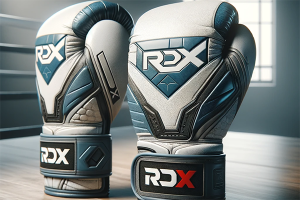
RDX Boxing Gloves
Typical Price: $35–$50
Best For: Heavy bag work and mitt drills
RDX has built a strong reputation by offering features commonly found in more expensive gloves.
Several models within the company’s budget lineup include:
- Multi-layer foam systems
- Breathable palm panels
- Reinforced wrist straps
The padding feels denser than many entry-level competitors.
During heavy bag sessions, that extra density often translates into better impact absorption and a more secure feel.
Compared with Everlast, RDX generally provides stronger wrist support and slightly more substantial padding. On the other hand, some users find the gloves require a longer break-in period.
For buyers prioritizing protection over brand recognition, RDX remains one of the strongest values available.
Sanabul Essential Gel Gloves
Typical Price: $30–$45
Best For: Beginners and light sparring
Sanabul has become a familiar sight in American boxing and MMA gyms.
The Essential Gel Gloves gained popularity because they combine modern styling with respectable performance.
Notable features include:
- Gel-infused padding
- Durable synthetic exterior
- Secure wrist support
- Comfortable hand compartment
Many fitness-focused trainees gravitate toward Sanabul because the gloves strike a balance between comfort and affordability.
Compared with Everlast, Sanabul typically feels more modern and slightly more protective. Compared with RDX, the gloves often feel softer and more immediately comfortable.
For newcomers, that comfort can make a significant difference during early training sessions.
Venum Challenger 2.0
Typical Sale Price: $45–$50
Best For: Style-conscious trainees
Venum occupies an interesting position.
At full retail pricing, some Challenger models exceed the budget category. During seasonal sales, however, they frequently drop below the $50 threshold.
The gloves offer:
- Distinctive design
- Multi-density foam
- Good wrist support
- Strong brand reputation
Aesthetics play a role here.
While performance remains important, many buyers simply enjoy Venum’s visual appeal. Fortunately, the gloves back up the appearance with solid functionality.
Compared with Everlast, Venum feels more premium. Compared with Sanabul, performance differences are relatively small, but styling tends to stand out more.
Holiday sales often create the best buying opportunities.
Choosing the Right Glove Size
A great glove in the wrong size quickly becomes a bad purchase.
Boxing gloves are measured in ounces, commonly abbreviated as oz.
The ounce rating reflects padding volume rather than physical weight alone.
General Sizing Guidelines
For most U.S. trainees:
- 10–12 oz: Pad work and lighter users
- 14 oz: General training
- 16 oz: Sparring and larger athletes
A useful rule of thumb is that casual adult trainees often find 14-ounce and 16-ounce gloves the most versatile.
These sizes provide enough protection for bag work while remaining suitable for many gym environments.
Matching Size to Training Goals
Training purpose matters as much as body weight.
For heavy bag sessions, some athletes prefer slightly lighter gloves because they feel faster.
For sparring, extra padding becomes important.
Many gyms require 16-ounce gloves for sparring regardless of body size because additional padding helps protect training partners.
Local gym rules always take priority.
Are Gloves Under $50 Safe for Sparring?
The short answer is yes, but only under certain conditions.
Safety depends less on price alone and more on construction quality, glove size, and intended use.
For light sparring, budget gloves can work when they feature:
- Thick padding
- Secure wrist support
- Reputable manufacturing
- Proper sizing
For competitive or frequent sparring, higher-end gloves often provide advantages.
Premium gloves generally offer:
- Better foam quality
- Superior hand positioning
- Enhanced wrist stability
- Longer-lasting protection
In real-world gym settings, budget gloves tend to excel in:
- Heavy bag training
- Shadow boxing
- Fitness boxing classes
- Mitt work
That’s where most beginners spend the majority of their time anyway.
Where to Buy Budget Boxing Gloves in the United States
Finding affordable gloves is easier than ever.
Several major retailers consistently offer options below $50.
Popular sources include:
- Amazon
- Walmart
- Dick’s Sporting Goods
- Academy Sports + Outdoors
Online shopping often provides the widest selection.
Physical stores offer one major advantage: trying gloves on before purchasing.
Fit varies considerably between brands. A glove that feels perfect from one company may feel cramped from another.
Best Times to Find Discounts
Seasonal promotions frequently reduce prices even further.
Common sale periods include:
- Black Friday
- Memorial Day
- Labor Day
- Back-to-school promotions
- Holiday clearance events
A glove listed at $60 during summer may fall below $50 during major sales periods.
Patience often pays off.
How Long Do Boxing Gloves Under $50 Last?
Durability depends heavily on training frequency.
A glove used twice weekly experiences far less stress than a glove used six days per week.
For most recreational trainees, budget gloves typically last:
Approximately 6 to 12 months
Some pairs last longer with careful maintenance.
Others wear out sooner when exposed to intense daily use.
Signs It’s Time for Replacement
Several warning signs indicate a glove has reached the end of its useful life.
Watch for:
- Compressed padding
- Loose stitching
- Weak wrist support
- Cracking exterior material
- Persistent odor despite cleaning
The moment padding begins to feel thin, protection starts declining.
That is usually the point where replacement becomes worthwhile.
Extending Glove Lifespan
Simple habits make a surprising difference.
After training:
- Air dry gloves immediately
- Use hand wraps
- Avoid storing gloves in a sealed gym bag
- Wipe interior surfaces regularly
Moisture is often the biggest enemy of affordable gloves.
Many gloves fail because of trapped sweat rather than impact damage.
Budget Gloves vs. Premium Gloves
The comparison becomes more interesting after several months of training.
At first, differences may seem small.
Over time, those differences become easier to notice.
Premium gloves typically offer:
- Genuine leather construction
- Better stitching quality
- Longer lifespan
- Enhanced wrist support
- More refined hand ergonomics
Budget gloves offer:
- Lower upfront cost
- Accessibility
- Adequate protection for beginners
- Strong value for casual users
The upgrade becomes worthwhile when training frequency increases significantly.
Someone training five or six days per week often benefits from higher-end equipment because durability and protection become more important.
For beginners, however, spending $120 or more immediately isn’t always necessary.
A reliable $40 glove often provides everything needed during the learning phase.
Final Thoughts
Affordable boxing gloves have improved dramatically over the years.
Many options under $50 now deliver enough protection, comfort, and durability for beginners, fitness enthusiasts, and casual trainees throughout the United States.
Among the most popular choices, Everlast offers accessibility, RDX emphasizes protection, Sanabul balances comfort and value, and Venum brings a more premium feel when sale pricing drops below the $50 mark.
The most important factors remain straightforward:
- Choose the correct ounce size
- Prioritize wrist support
- Buy from reputable brands
- Match the glove to your training style
Boxing rewards consistency more than equipment. A dependable pair of affordable gloves can carry you through months of productive training, heavy bag rounds, and skill development.
Start with a glove that fits your budget, train regularly, and upgrade later if boxing becomes a long-term commitment. That approach tends to deliver the best value—and the fewest regrets—for most fighters entering the sport.