
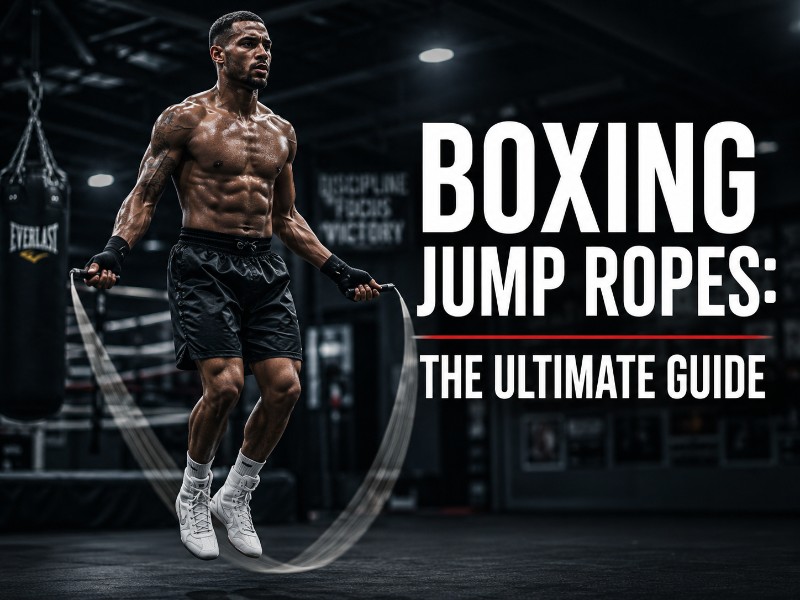

Walk into almost any serious boxing gym in America and one sound cuts through the room before the gloves even touch the bags: the rapid snap of a jump rope against the floor. It’s rhythmic. Sharp. Relentless. That sound usually means conditioning work is happening the right way.
Boxing jump ropes aren’t just warm-up toys tossed into a gym bag next to hand wraps and water bottles. They build timing, coordination, endurance, and foot speed in a way treadmills rarely replicate. In practice, a few rounds with the right rope can leave experienced athletes breathing harder than a long jog.
That’s part of the appeal. You get brutal efficiency without expensive equipment.
Across the United States, jump rope training has expanded far beyond traditional boxing gyms. Home garage setups in Texas, boutique fitness studios in New York, CrossFit boxes in Colorado, and high school conditioning programs in Florida all use boxing ropes because they work. According to data from the Physical Activity Council, millions of Americans include jump-rope-style cardio sessions in weekly workouts.
And honestly, the barrier to entry stays refreshingly low. A quality rope often costs less than a month of streaming subscriptions.
This guide breaks down the actual benefits of boxing jump ropes, the different types available, and the features that matter when buying one in the U.S. market. Some ropes feel smooth and almost effortless. Others fight back every second. Knowing the difference saves money and frustration.
What Is a Boxing Jump Rope?
A boxing jump rope is a lightweight training rope designed for speed, rhythm, endurance, and precision footwork.
That definition sounds simple. Real-world use feels very different from the thick plastic ropes hanging in elementary school gyms.
Most boxing ropes use thin PVC cords or coated steel cables that cut through the air quickly. Higher-end models include ball-bearing systems inside the handles, allowing smooth rotations at very high speeds. That detail matters more than many beginners expect. Cheap ropes tend to wobble, drag, or kink after a few weeks.
And that’s usually the point where workouts become annoying instead of productive.
Key Characteristics of Boxing Jump Ropes
| Feature | Why It Matters |
|---|---|
| Thin cable construction | Increases speed and rhythm |
| Ball-bearing handles | Creates smoother rotation |
| Adjustable length | Fits different athlete heights |
| Lightweight design | Reduces fatigue during long sessions |
| Compact portability | Fits easily into gym bags |
Most boxing ropes are built for fast movements like double-unders, quick foot transitions, and sustained cardio rounds.
Who Uses Boxing Jump Ropes?
You’ll see jump ropes used by:
- Amateur boxers
- Professional fighters
- MMA athletes
- Cross-training athletes
- Home gym users
- Fitness enthusiasts chasing fat loss
And here’s the interesting part: elite boxers and total beginners often use nearly the same tool. The difference comes from pace, rhythm, and training structure.
Common U.S. Training Environments
American athletes use jump ropes almost everywhere:
- Boxing gyms in Los Angeles and Chicago
- Apartment gyms in dense cities
- Outdoor driveways and patios
- High school athletic programs
- Garage gyms with rubber flooring
That versatility explains part of the rope’s staying power. You don’t need a huge footprint or expensive machine maintenance. Just enough ceiling height and a little discipline.
Benefits of Boxing Jump Ropes
Jump rope training delivers measurable conditioning improvements in surprisingly short sessions.
For many athletes, the biggest surprise isn’t the calorie burn. It’s how quickly coordination improves after consistent practice.
Cardiovascular Endurance
Jump rope spikes heart rate fast.
A hard 10-minute session can burn roughly 100 to 150 calories depending on body weight, intensity, and skill level. More importantly, it trains cardiovascular endurance efficiently because the body works continuously without long recovery periods.
In practical terms, breathing gets stronger. Recovery between rounds improves. Long workouts stop feeling overwhelming after several weeks.
That’s one reason boxing coaches rely on ropes year after year. The return on time invested is excellent.
Footwork and Coordination
Good boxing footwork looks smooth because the athlete controls rhythm instinctively. Jump rope training reinforces that timing over and over again.
Regular rope sessions improve:
- Agility
- Lateral movement
- Balance
- Reaction speed
- Timing under fatigue
Even outside boxing, those benefits carry over into basketball, football conditioning, and general athletic movement.
And yes, there’s usually an awkward adjustment phase at first. Most beginners clip their toes repeatedly for several sessions. That’s normal. Timing develops gradually, almost like learning a drum beat.
Fat Loss and Lean Muscle Tone
Jump rope workouts engage multiple muscle groups simultaneously:
- Calves
- Shoulders
- Forearms
- Core
- Hip stabilizers
Because the movement stays continuous, metabolic demand rises quickly. Combined with a balanced diet, jump rope training supports fat reduction while helping maintain lean muscle.
In real life, the physical changes tend to show up first in the calves and shoulders. Then conditioning improves enough that everyday movement feels lighter.
Bone Density and Joint Health
Weight-bearing cardio helps maintain bone density as people age.
That matters in the U.S., where many adults look for low-cost fitness tools that support long-term health without requiring massive space or monthly fees. Compared to repetitive road running, jump rope sessions can also feel easier on the joints when performed correctly on rubber flooring.
Surface choice matters though. Concrete tends to punish ankles and knees over time.
Types of Boxing Jump Ropes
Not every jump rope feels the same. Some are built for pure speed. Others create resistance and shoulder fatigue intentionally.
Choosing the wrong style often turns training into a frustrating experience.
Speed Ropes
Speed ropes use thin coated cables and high-speed bearings.
They rotate extremely fast and work best for advanced users practicing:
- Double-unders
- Fast footwork drills
- Competitive conditioning
These ropes feel almost frictionless once rhythm clicks into place. That smoothness becomes addictive after a while.
PVC Ropes
PVC ropes are lightweight, affordable, and beginner-friendly.
Most cost between $10 and $25 in the U.S. market, making them ideal for people learning timing and coordination without investing heavily upfront.
They’re forgiving. Slightly slower. Easier to control.
For most beginners, that’s actually helpful.
Weighted Ropes
Weighted ropes increase resistance through heavier handles or thicker cables.
These ropes build shoulder endurance and upper-body stamina effectively, though rotation speed slows noticeably. Many fighters use weighted ropes during conditioning phases because they create a different type of fatigue than speed ropes.
Think of them like hill sprints compared to flat-ground running.
Beaded Ropes
Beaded ropes use segmented plastic beads around the cord.
They’re durable and survive outdoor training surfaces better than thin speed cables. They also create audible rhythm feedback, which helps beginners maintain timing.
The pace feels slower, but control improves quickly.
How to Choose the Right Boxing Jump Rope
Buying the right rope saves time, money, and irritation.
A poorly sized rope can make even basic jumps feel impossible.
Rope Length
Proper sizing changes everything.
A general rule works well for most athletes:
- Stand on the center of the rope
- Pull the handles upward
- The handles should reach roughly armpit height
Many American brands now offer adjustable ropes designed for users between 5’0” and 6’5”.
Beginners usually benefit from slightly longer ropes because timing feels more forgiving. Extremely short ropes demand precision immediately.
Handle Design
Handle comfort becomes important during longer sessions.
Look for:
- Non-slip grips
- Foam or knurled textures
- Lightweight construction
- Handles between 5 and 7 inches long
Sweaty palms and smooth plastic handles rarely mix well. Especially during summer garage workouts when humidity climbs.
Bearing Systems
Ball-bearing systems create smoother rotations and higher RPMs (rotations per minute).
Cheaper ropes often use basic swivel systems that feel stiff after repeated use. Better bearings maintain consistent rotation speed, which matters significantly during fast intervals.
That difference becomes obvious within minutes.
Surface Compatibility
Surface choice impacts both rope lifespan and joint stress.
| Training Surface | Best Rope Type |
|---|---|
| Indoor gym flooring | Speed rope |
| Rubber mats | Any rope |
| Concrete driveway | Beaded rope |
| Asphalt | Durable PVC or beaded rope |
Training on concrete occasionally won’t destroy a rope instantly. Daily concrete sessions usually shorten cable life dramatically though.
Popular Boxing Jump Rope Brands in the U.S.
The American market offers dozens of brands, but several consistently stand out for quality and reliability.
Comparison Table: Boxing Jump Rope Brands
| Brand | Best For | Price Range | Notable Difference |
|---|---|---|---|
| Crossrope | Weighted training systems | $99–$199 | Premium ecosystem with app integration |
| Rogue Fitness | Serious athletes | $25–$75 | Durable build quality and fast bearings |
| WOD Nation | Budget speed training | $15–$30 | Strong value for beginners |
| EliteSRS | Technical jumpers | $20–$80 | Excellent customization options |
Crossrope feels polished and premium right out of the box. The weighted systems create shoulder fatigue quickly, which many athletes love for conditioning work. The downside is obvious: pricing climbs fast.
Rogue Fitness takes a more stripped-down approach. Durable materials. Minimal gimmicks. Equipment built for punishment. That style appeals to athletes who care more about performance than flashy branding.
WOD Nation sits in the sweet spot for affordability. Many beginners start there because the ropes are inexpensive and surprisingly smooth for the price.
EliteSRS caters heavily to jump-rope enthusiasts and competitive jumpers. The customization options go deeper than most casual users need, but technical athletes appreciate that precision.
Common Mistakes to Avoid
Most jump rope frustration comes from a handful of fixable mistakes.
Choosing the Wrong Length
A rope that’s too long drags and slows rhythm.
Too short, and the rope catches your shoes constantly.
That tiny sizing mistake causes many beginners to assume they lack coordination when the real issue is equipment setup.
Jumping Too High
Beginners often bounce excessively.
Efficient jump rope technique keeps movement low — usually 1 to 2 inches off the floor. Smaller jumps conserve energy and improve rhythm consistency.
Think quick and relaxed, not explosive.
Training on Poor Surfaces
Concrete increases joint stress and damages cables faster.
Rubber mats, gym flooring, or wooden platforms tend to feel much better during long-term use.
Ignoring Warm-Ups
Cold calves and stiff Achilles tendons create injury risk fast.
Even two or three minutes of ankle mobility and light bouncing helps tremendously before intense sessions.
Sample Boxing Jump Rope Workouts
Complicated programming isn’t necessary.
Simple structure usually works best.
Beginner Routine (15 Minutes)
- 1 minute jumping
- 30 seconds rest
- Repeat for 10 rounds
This format builds rhythm without overwhelming beginners.
Intermediate Conditioning Routine (20 Minutes)
- 2 minutes steady pace
- 1 minute fast pace
- 30 seconds rest
- Repeat for 5 rounds
That second workout starts feeling very real around round three. Breathing gets heavy. Forearms tighten up. Coordination suddenly matters more than motivation.
And honestly, that’s where improvement happens.
Pricing Guide and Value in the U.S. Market
Compared to treadmills, rowing machines, or connected fitness bikes, boxing jump ropes remain remarkably affordable.
| Rope Type | Average U.S. Price |
|---|---|
| Basic PVC Rope | $10–$25 |
| Speed Rope | $20–$50 |
| Weighted Rope | $40–$150 |
Major U.S. sales periods often include solid discounts:
- Black Friday
- Memorial Day
- Fourth of July
- Labor Day
For most athletes, a $20–$40 rope handles nearly everything needed for conditioning and footwork.
Expensive ropes feel nicer. Better bearings. Better materials. Cleaner adjustments. But skill development still comes down to consistency more than gear cost.
Maintenance and Longevity
Good ropes last surprisingly long with basic care.
A few simple habits help significantly:
- Store ropes indoors
- Avoid sharp training surfaces
- Replace frayed cables early
- Wipe sweat off handles regularly
Most quality ropes last between 6 and 24 months depending on frequency of use and training environment.
Outdoor concrete sessions wear ropes down much faster than indoor gym flooring. That pattern shows up constantly.
Are Boxing Jump Ropes Worth It?
Yes. Boxing jump ropes deliver one of the best value-to-performance ratios in fitness equipment.
For under $50, you get a portable conditioning tool that improves endurance, coordination, rhythm, and athletic movement. It fits into a backpack. It works in small spaces. It doesn’t require electricity, subscriptions, or complicated setup.
And maybe that simplicity explains why jump ropes never disappear from serious training environments. Trends come and go. Fancy cardio machines cycle through social media every year. Meanwhile, fighters still grab ropes before almost every workout because the fundamentals remain effective.
For American athletes balancing work schedules, family obligations, and limited training time, that efficiency matters.
A few focused rounds with the right rope can humble even experienced gym-goers. But after a few weeks, footwork sharpens. Conditioning improves. Movement starts feeling smoother in everyday life too.
That’s usually the point where jump rope training stops feeling like cardio punishment and starts becoming part of the routine people actually look forward to