
Walk into almost any American gym at 6 p.m. and the pattern repeats itself. Loud music. Heavy bags swinging in uneven rhythm. Someone wrapping hands in a hurry before class starts. Cardio kickboxing and fitness boxing have turned into stress relief for people who sit at desks all day, commute too long, and need something harder-hitting than a treadmill session.
And honestly, glove quality changes the entire experience more than most beginners expect.
Cheap gloves tend to feel acceptable for the first week. Then the wrist starts folding inward during hooks. Sweat builds up. The lining stays damp overnight. Knuckles ache after back-to-back bag rounds. What looked like a bargain suddenly feels like gym equipment punishment.
The best boxing gloves for cardio kickboxing and fitness protect your hands without turning workouts into arm fatigue contests. That balance matters because fitness classes move fast. You throw combinations continuously. Hundreds of punches per session. Sometimes more.
A glove designed for competitive sparring often feels too bulky for a cardio environment. On the other hand, ultra-light bargain gloves usually collapse under repeated bag work. Somewhere in the middle sits the sweet spot most gym-goers actually need.
This guide breaks down the best options, the features that matter, and the small details people usually notice only after several weeks of training.
What Makes the Best Boxing Gloves for Cardio Kickboxing and Fitness?
At first glance, boxing gloves look nearly identical. Once training starts consistently, the differences become obvious very quickly.
Cardio kickboxing creates a strange combination of needs. You want enough padding to absorb impact, but not so much weight that shoulders burn out halfway through class. You want wrist support, but also fast removal because nobody enjoys peeling off soaked gloves after a 45-minute HIIT session.
For most fitness-focused training, these features matter most:
- Lightweight construction between 10 oz and 14 oz
- Secure wrist stabilization
- Breathable interior lining
- Velcro closure for quick transitions
- Dense foam padding for repetitive bag impact
- Compact hand compartment that doesn’t slide around
The glove market in the United States leans heavily toward 12 oz and 14 oz models for cardio classes. That range tends to protect the hands well without making combinations feel sluggish.
Now, here’s where many buyers get tripped up. Expensive doesn’t automatically mean better for fitness boxing.
A stiff professional sparring glove can feel incredible during technical boxing rounds, but awkward during fast-paced conditioning circuits. Fitness environments reward comfort and ventilation more than prestige branding.
Common Things People Notice Too Late
Some glove problems don’t appear immediately.
After a few weeks, these issues usually show up:
- Thumb positioning starts irritating the joint
- Wrist wraps bunch under narrow cuffs
- Foam compresses unevenly on the dominant hand
- Interior odor becomes impossible to ignore
- Gloves take too long to dry between sessions
That last point matters more than expected. Early morning gym users and lunch-break class attendees often leave gloves trapped inside gym bags for hours. Moisture buildup turns decent gloves into bacteria factories surprisingly fast.
Types of Boxing Gloves for Fitness Training
Not every glove belongs in a cardio class. That’s where overbuying happens.
Bag Gloves
Bag gloves are usually the most practical option for fitness-focused training.
They’re lighter, more compact, and built specifically for repeated heavy bag impact. The slimmer profile also helps combinations feel faster during interval circuits.
Best for:
- Beginners
- Group fitness classes
- Heavy bag workouts
- Home gym users
Some bag gloves sacrifice wrist support to stay lightweight, though. That trade-off becomes noticeable during high-volume punching days.
Training Gloves
Training gloves sit in the middle ground.
These offer more padding and broader versatility. If workouts include mitt drills, occasional sparring, or boxing fundamentals classes, training gloves tend to make more sense long term.
Best for:
- Mixed boxing workouts
- Intermediate users
- Technical skill training
- Hybrid gym programs
This category usually delivers the best overall balance for most people.
Sparring Gloves
Sparring gloves prioritize protection for training partners, not workout efficiency.
They’re larger. Heavier. Bulkier.
For traditional boxing gyms, that works perfectly. For cardio kickboxing classes filled with burpees and rapid-fire combinations, they often feel excessive.
Best for:
- Sparring sessions
- Advanced boxing gyms
- Partner drills
Most fitness users don’t need them.
8 Best Boxing Gloves for Cardio Kickboxing and Fitness
Comparison Table
| Glove Model | Best Feature | Best For | Approx. Price |
|---|---|---|---|
| Everlast Pro Style | Budget accessibility | Beginners | $25–$40 |
| Venum Elite | Wrist stability | Intermediate training | $70–$90 |
| Hayabusa T3 | Premium support system | Serious fitness users | $120–$160 |
| RDX Maya Hide | Breathability | Home workouts | $35–$55 |
| Title Gel World Bag Gloves | Gel shock absorption | Heavy bag sessions | $60–$80 |
| Ringside Apex Flash | Balanced comfort | Fitness + light sparring | $50–$75 |
| Sanabul Essential Gel | Lightweight feel | First-time buyers | $30–$45 |
| Fairtex BGV1 | Long-term durability | Advanced users | $90–$120 |
The interesting part is how differently these gloves feel during actual classes. Some gloves look aggressive and premium online but feel stiff for weeks. Others break in quickly and disappear on your hands after a few sessions.
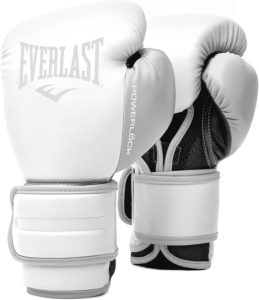
1. Everlast Pro Style Training Gloves
Everlast remains everywhere for a reason. Sporting goods stores carry them. Big-box retailers stock them constantly. Entry-level users recognize the brand immediately.
These gloves aren’t luxurious, but they cover the basics well enough for casual training.
Strengths:
- Affordable price point
- Easy to find in stores
- Lightweight feel
- Beginner-friendly fit
Weaknesses show up with long-term durability. Frequent bag users usually notice foam compression after several months.
2. Venum Elite Boxing Gloves
Venum gloves stand out visually first. Sharp styling. Cleaner construction. Slightly more modern fit.
But the real difference comes from wrist support. The closure system keeps hands stable during repetitive combinations, especially hooks and uppercuts.
For people training three or four times weekly, that extra support starts feeling important.
3. Hayabusa T3 Boxing Gloves
These gloves feel engineered rather than simply manufactured.
The dual wrist strap system creates a locked-in sensation that many fitness gloves simply don’t provide. During high-volume bag sessions, the wrist stays aligned naturally.
The downside? Price.
Still, users who train consistently often stop replacing cheaper gloves every six months, which changes the value equation over time.
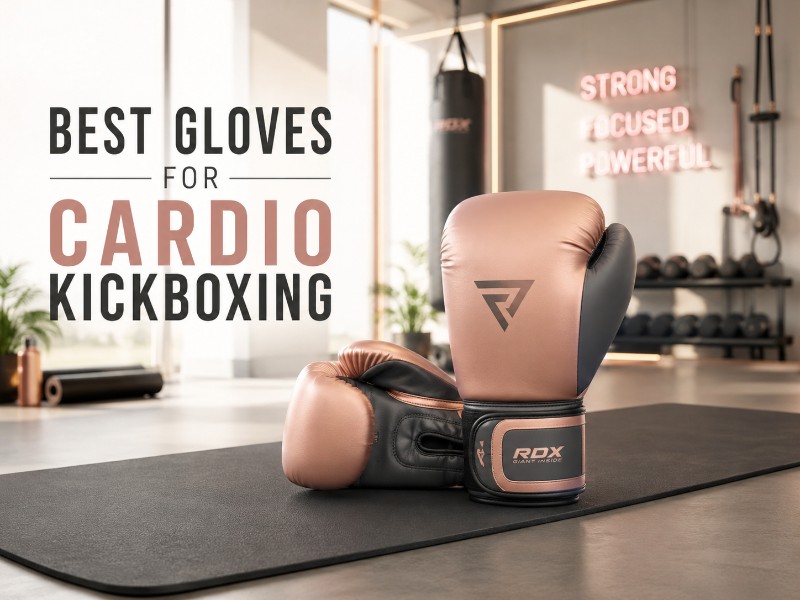
4. RDX Maya Hide Gloves
RDX built a strong following among home gym users and Amazon shoppers.
The palm ventilation works surprisingly well during sweaty sessions. That’s probably the feature people appreciate most after intense conditioning classes.
Synthetic leather construction keeps the cost lower, although long-term wear varies depending on training frequency.
5. Title Boxing Gel World Bag Gloves
Heavy bag users tend to appreciate gel padding quickly.
Traditional foam can feel harsh after repeated impact rounds, especially for beginners whose punching mechanics aren’t perfectly refined yet. Gel inserts soften that experience noticeably.
These gloves lean slightly bulkier than minimalist cardio gloves, but hand protection feels excellent.
6. Ringside Apex Flash Sparring Gloves
This model sits comfortably between fitness glove and technical boxing glove.
The interior lining feels softer than many similarly priced competitors, which sounds minor until sweat and friction start irritating the skin during long classes.
Good crossover option. Not overly specialized.
7. Sanabul Essential Gel Gloves
Sanabul built enormous popularity through beginner recommendations online.
And honestly, the appeal makes sense.
These gloves stay lightweight, affordable, and relatively comfortable without trying to imitate premium-tier products. For first-time buyers, simplicity matters more than marketing language.
8. Fairtex BGV1 Boxing Gloves
Fairtex gloves feel compact and dense in a way many Muay Thai brands do.
The leather quality stands out immediately. So does durability.
Break-in time can feel slightly longer than softer fitness-focused gloves, though. Early sessions sometimes feel stiff around the knuckles before the leather loosens naturally.
How to Choose the Right Glove Weight
Glove weight changes more than hand protection. It changes workout pacing too.
Lighter gloves allow faster combinations. Heavier gloves increase resistance and shoulder fatigue. Somewhere between those extremes sits the range most fitness users prefer.
| Body Weight | Recommended Glove Weight |
|---|---|
| Under 120 lbs | 10 oz |
| 120–160 lbs | 12 oz |
| 160–200 lbs | 14 oz |
| Over 200 lbs | 16 oz |
For cardio kickboxing, 12 oz usually feels like the safest middle ground.
But glove weight isn’t perfectly linear in real life. Hand size matters. Wrist stability matters. Even class style changes things. A boxing-heavy circuit class often feels different from a kickboxing bootcamp with intervals and bodyweight exercises mixed in.
Some people buy heavier gloves expecting extra calorie burn. Then the shoulders gas out halfway through combinations. That pattern shows up constantly in beginner classes.
Synthetic vs Genuine Leather
Material choice affects comfort, smell retention, durability, and price all at once.
Synthetic Leather
Synthetic gloves dominate the fitness market because they’re practical.
Advantages include:
- Lower cost
- Easier cleaning
- Faster drying
- Wider beginner selection
The trade-off usually appears after prolonged heavy bag use. Cracking and peeling happen earlier compared to genuine leather.
Still, for someone training twice weekly, synthetic gloves often last long enough to make premium leather unnecessary.
Genuine Leather
Leather gloves age differently.
The fit molds gradually to your hands. The exterior softens without losing structure. Durability improves substantially when maintained properly.
But maintenance becomes part of ownership.
Leather gloves left soaking in sweat inside a gym bag deteriorate quickly despite the higher price tag. That’s the part marketing rarely mentions.
Wrist Support and Injury Prevention
Most hand injuries in fitness boxing don’t come from dramatic accidents. They build slowly.
A slightly bent wrist repeated hundreds of times creates strain over weeks. Poor thumb positioning adds irritation. Loose gloves allow impact movement inside the hand compartment.
Eventually something starts aching.
Good wrist support usually includes:
- Wide Velcro straps
- Dense layered foam
- Attached thumbs
- Secure cuff structure
Hand wraps help even more.
Most boxing coaches across the United States recommend 180-inch cotton wraps because they stabilize the wrist while protecting knuckles underneath the glove. Quick-wrap gel systems feel convenient, but traditional wraps usually create better overall support.
And honestly, beginners often underestimate how much wraps improve glove fit. Loose gloves suddenly feel more controlled once wraps fill empty space properly.
Fit and Comfort in Real Fitness Classes
Gym reality matters more than product descriptions.
A glove can score perfectly online and still feel terrible during an actual cardio circuit.
Fast-paced classes create practical demands:
- Gloves need quick entry and removal
- Ventilation becomes critical after 30 minutes
- Padding can’t feel overly rigid
- Wrist straps need one-handed adjustment
Finger positioning matters too. Your fingertips should lightly touch the interior padding without curling awkwardly.
Too much empty space causes sliding during impact. Too little space creates numbness and pressure points.
And here’s something people rarely discuss: glove shape differs dramatically between brands.
Hayabusa tends to feel tighter and more structured. Fairtex often feels compact but dense. Everlast usually fits roomier. That difference affects comfort more than colorways or branding.
Budget Guide: What Makes Sense Financially?
Spending patterns in boxing gear get weird quickly.
Some people buy $150 gloves for one class per month. Others train five days weekly using bargain gloves held together by hand wraps and determination.
Most users land somewhere in the middle.
| Price Range | What You Usually Get |
|---|---|
| $20–$40 | Basic protection, beginner quality |
| $40–$80 | Better comfort and durability |
| $80–$150+ | Premium support and materials |
Mid-range gloves around $60 to $90 often deliver the best value for regular fitness users.
The jump from $30 gloves to $70 gloves usually feels substantial. Better wrist alignment. Better interior comfort. Better foam quality.
The jump from $90 to $160 feels more nuanced. At that level, the improvements become more about refinement and long-term craftsmanship.
Final Buying Tips for Cardio Kickboxing and Fitness
Fitness boxing equipment works best when it matches training habits realistically.
Someone attending two classes weekly probably won’t notice massive differences between mid-range and ultra-premium gloves. Someone hammering heavy bags five days weekly almost certainly will.
A few things consistently make training easier:
- Confirm glove rules at your gym before buying
- Use hand wraps every session
- Air dry gloves immediately after workouts
- Prioritize comfort over flashy branding
- Choose 12 oz or 14 oz for most cardio classes
The best boxing gloves for cardio kickboxing and fitness don’t just protect your hands. They reduce distractions.
That matters because once gloves fit correctly, workouts feel smoother. Combinations snap faster. Wrists stay aligned naturally. You stop thinking about the equipment and focus entirely on movement, breathing, and rhythm.
And that shift usually happens somewhere around the point when boxing stops feeling like a workout trend and starts becoming part of your routine.