
Boxing Bag Gloves vs Standard Boxing Gloves: What’s the Real Difference?
I can’t tell you how many times I’ve watched someone walk into a gym, toss on a pair of gloves they bought online—usually with zero context—and just start wailing on the heavy bag. And then, after a few rounds, they’re rubbing their wrists, shaking out their fingers, or worse, heading to urgent care. It’s not always about bad form. A lot of the time, it’s just the wrong glove for the job.
Now, the difference between boxing gloves might sound like one of those gear-head debates that only pros care about. But honestly, this is one of the most overlooked pieces of boxing knowledge, especially here in the U.S., where home boxing workouts have exploded. Whether you’re training for a USA Boxing event, hitting up Title Boxing Club after work, or just torching calories in your garage—the gloves you wear directly affect your performance, safety, and even how fast you improve.
Let’s break it all down—the design, the feel, the risk factors—and what I’ve learned (sometimes the hard way) from years of wrapping up and throwing punches.
1. Understanding the Purpose of Each Glove Type
You see, not all gloves are meant to spar. And not all gloves are built to absorb hundreds of bag punches per week.
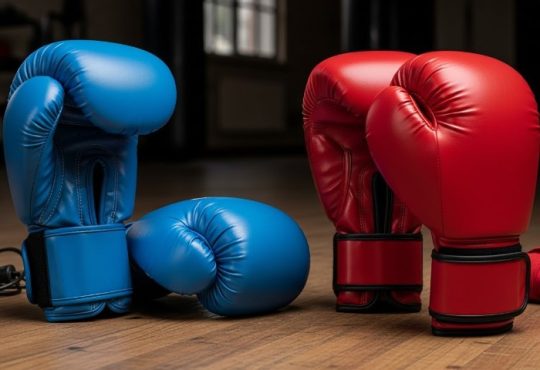
Boxing bag gloves are made strictly for punching bags—heavy bags, aqua bags, mitts, maybe the double-end if it’s part of your circuit. The focus here is on durability and speed, with minimal padding. Less bulk means more feedback from each punch.
Standard boxing gloves, on the other hand, are general-purpose gloves used for sparring and even competition (with regulation sizing, of course). These come with more cushion, and they’re built to protect both your hand and your partner’s face.
Here’s the part most beginners miss:
Wearing sparring gloves on a bag might feel okay at first… until your padding breaks down faster than it should. And using bag gloves for light sparring? That’s how people get concussed.
In practice:
- Bag gloves prioritize shock absorption and punch feedback
- Standard boxing gloves prioritize protection and shared impact resistance
2. Key Design Differences: Padding, Weight & Materials
Let’s talk guts. What’s actually inside these gloves?
Padding
Bag gloves tend to have denser, thinner padding—you’ll feel your knuckles land. It’s usually compact EVA foam or layered polyurethane, not the soft stuff you’d find in sparring gloves. Standard gloves, especially from American brands like Ringside or Everlast, often have multi-layered foam padding for impact dispersion.
Weight
In the U.S., glove weight is measured in ounces. Here’s where the glove type really affects your choice:
| Glove Type | Typical Weights | Personal Note |
|---|---|---|
| Bag Gloves | 10oz–12oz | Great for speed work and conditioning. I use 12oz on the bag to protect my wrists without slowing down too much. |
| Standard Boxing Gloves | 14oz–16oz | Go-to for sparring. I keep a 16oz pair just for partner drills. |
Materials
- Synthetic leather (think: Title Classic) is cheaper but less breathable.
- Genuine leather (like in Grant or Winning gloves) offers more durability and a better break-in feel.
Breathable mesh and moisture-wicking linings are lifesavers if you’re training in the summer heat—I’ve sweated through too many pairings to ignore that.
3. Injury Prevention: How the Wrong Glove Increases Risk
Here’s the thing: wrist pain in boxing isn’t a rite of passage—it’s usually a sign something’s wrong.
When I first started training at a gym in Michigan, I used the same gloves for everything. After a few weeks on the heavy bag, I started getting this dull ache in my wrist, especially on hooks. Turns out, I was using overly padded sparring gloves that let my wrist collapse on impact.
Common glove-related injuries I’ve seen (or had) include:
- Wrist sprains or fractures (from poor wrist wrap tension or soft glove support)
- Knuckle bruising (from minimal padding during bag drills)
- Tendon strain (from improper alignment inside oversized gloves)
Glove fit matters just as much as glove type. A loose glove, especially during bag work, can cause more damage than no glove at all.
4. Who Should Use Bag Gloves vs Standard Gloves?
Alright, let’s simplify:
Use Bag Gloves if You’re:
- Doing solo bag workouts for cardio or weight loss
- Working speed combos or conditioning drills
- Training in a home gym or casual fitness setting
Use Standard Gloves if You’re:
- Sparring with a partner or in class
- Training in an amateur boxing program (like USA Boxing)
- Planning to compete or work under a coach’s supervision
For youth boxers, I’d steer toward lighter, more protective gloves—bag gloves are often too compact for developing hands.
For beginners, start with a pair of 14oz training gloves until your goals are clearer.
5. Cost Comparison: What Are You Paying For?
Let’s talk dollars. I’ve bought gloves at every price point—from $25 knockoffs on Amazon to $200+ pairs from Grant.
What I’ve learned:
| Glove Type | Price Range (USD) | Why |
|---|---|---|
| Bag Gloves | $25–$80 | Less padding, synthetic materials, simpler construction |
| Standard Gloves | $60–$150+ | More padding, higher quality interiors, often real leather |
Premium gloves (like Winning or Cleto Reyes) hold their shape longer and break in better—but unless you’re training 4–5x a week, you don’t need them.
6. Performance & Comfort: What Users Say in the US Market
I’ll be honest—comfort is super subjective. I’ve had sparring gloves that felt like pillows but made my punches feel dead on the bag. I’ve had bag gloves that fit like a dream but cooked my hands by Round 4.
From talking to other fighters and trainers:
- Bag gloves are usually rated higher for speed and control
- Standard gloves win for wrist protection and comfort in longer sessions
- Everlast gets mixed reviews—solid for beginners, less consistent at higher levels
- Title Boxing gloves have great value for mid-level training
- Ringside tends to deliver the best wrist support, in my experience
7. Brand Spotlight: Best U.S. Brands for Each Glove Type
Here’s my short list based on use-case and actual glove feel—not just marketing:
| Brand | Best For | My Take |
|---|---|---|
| Everlast | Beginners, casual bag work | Easy to find, decent price—but watch out for stitching durability |
| Title Boxing | All-around training | My go-to for gym gloves—especially their Pro Style line |
| Ringside | Sparring and wrist protection | I’ve used these the most for partner drills—solid support, decent ventilation |
| Grant | Pro-level training | Pricey but worth it if you’re serious and training 5+ days a week |
| Winning | Premium protection | Extremely comfortable. I borrowed a pair once and didn’t want to give them back. |
8. How to Choose the Right Glove for Your Training Style
The short version? Match the glove to your training goal.
Here’s what’s worked for me:
- If you’re doing cardio boxing for fitness:
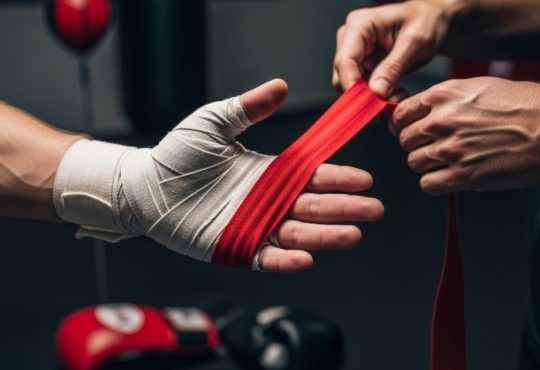
- 12oz bag gloves with wrist wraps. Keeps it light and breathable.
- If you’re just starting out:
- 14oz all-purpose gloves. Good padding, flexible for sparring or bag.
- If you’re prepping for amateur bouts:
- 16oz standard gloves for sparring, plus a second pair of 10–12oz bag gloves for power work.
- If you’re under 14 or under 100 lbs:
- Look at youth glove sizing (6oz–10oz), but check hand measurements carefully.
Glove Sizing Chart (by Weight Class – rough guide for U.S. standards):
| Your Weight (lbs) | Bag Work (oz) | Sparring (oz) |
|---|---|---|
| <120 | 10–12 | 14–16 |
| 120–150 | 12–14 | 14–16 |
| 150–180 | 14 | 16 |
| 180+ | 16 | 16–18 |
Still not sure? Honestly, try a few on if you can. The fit matters more than you’d think. What feels secure for me might feel stiff for you.
Final Thoughts
If there’s one thing I wish I’d known earlier—it’s that gloves aren’t just gloves. The design, the padding, even the material all shape how you throw punches, how fast you improve, and whether your hands survive the training grind.
Whether you’re punching a bag in your basement, sparring in a USA Boxing gym, or just starting your fitness journey—knowing the difference between boxing gloves isn’t trivia. It’s protection.
And yeah, you’ll probably end up with two pairs. I did.