
Walk into almost any boxing gym in the United States right now and the same sound hits first: gloves smacking heavy bags in fast rhythm. Boutique fitness studios like Title Boxing Club and Rumble Boxing stay packed after work hours. UFC Gym mixes boxing into MMA conditioning. Amateur programs tied to USA Boxing keep growing in local communities. Even traditional Golden Gloves gyms now share space with cardio-boxing classes and influencer workouts.
That growth changed one thing dramatically. More people are punching things than ever before.
And that’s exactly why hand wraps matter.
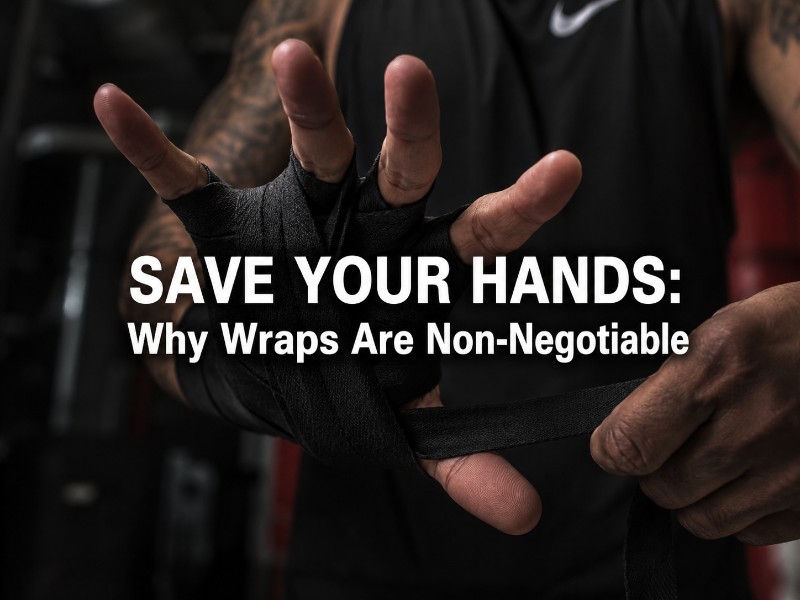
Hand wraps sit underneath boxing gloves and protect the small structures inside your hands during repetitive impact. They provide knuckle protection, wrist stabilization, shock absorption, and better hand alignment. Without them, force travels directly into the metacarpal bones and wrist joints with very little support.
The cost difference alone tells the story clearly:
| Item | Average Cost in the US |
|---|---|
| Boxing hand wraps | $10–$25 |
| Entry-level boxing gloves | $50–$120 |
| Hand fracture treatment | $2,500–$10,000+ |
| Physical therapy after ligament damage | Thousands more |
In American sports culture, safety equipment matters. Football uses pads. Baseball uses batting helmets. Boxing relies heavily on hand wraps because your hands contain 27 small bones that were never designed for repetitive heavy impact.
Casual gym users sometimes skip wraps because gloves “feel padded enough.” That usually changes after the first sore wrist or swollen knuckle. Competitive fighters already know better. USA Boxing regulations require hand protection in sanctioned bouts for a reason.
And honestly, after a few months around heavy bags, most people figure it out the hard way if they ignore wraps early on.
1. Hand Wraps Protect Your Knuckles From Impact Damage
Your knuckles absorb enormous force every time a punch lands. Heavy bag rounds create repetitive stress that adds up quickly, especially during high-volume workouts.
Hand wraps reduce that stress through compression support and impact distribution.
The metacarpals — the long bones inside your hand — are particularly vulnerable during boxing. According to the American Academy of Orthopaedic Surgeons, a boxer’s fracture commonly affects the fifth metacarpal near the pinky knuckle. That injury often happens when punches land with poor alignment or excessive force.
And beginner mistakes make the risk worse.
Most new boxers punch too hard too early. Technique usually lags behind enthusiasm. The heavy bag doesn’t care.
How wraps actually protect your hands
Good wraps create structure around the hand by:
- Compressing the knuckles together
- Supporting hand alignment
- Reducing bone stress
- Distributing impact across a larger surface area
- Stabilizing small joints during repetitive impact
Everlast, Ringside, and TITLE Boxing all design wraps specifically around these protection principles. Competitive gyms connected to USA Boxing teach wrapping early because proper wrapping becomes part of foundational boxing safety.
Now here’s the interesting part. Gloves alone don’t fully solve the problem.
Gloves soften external contact, but wraps secure the hand internally. That distinction matters a lot. Think of gloves like car airbags while wraps act more like seatbelts. One absorbs impact. The other keeps structures aligned before impact happens.
Heavy bag sessions expose this difference fast. Mitt work tends to feel lighter because coaches absorb force dynamically. Heavy bags push force directly back into your hands. After several rounds, unsupported knuckles often start throbbing.
That’s usually the point where wraps stop feeling “optional.”
2. Wrist Support Prevents Sprains and Long-Term Damage
Wrist injuries rarely happen from one dramatic punch. Most of the time, they develop gradually through poor alignment and repetitive torque.
Hooks create rotational force. Crosses create straight-line impact. Uppercuts introduce awkward angles underneath the target. Without wrist stabilization, all those movements stress ligaments and connective tissue.
Hand wraps help maintain joint stabilization by limiting excessive movement during impact.
The Mayo Clinic and the American Orthopaedic Society for Sports Medicine both emphasize proper support during repetitive athletic striking movements. Boxing generates substantial torque resistance demands because the wrist transfers force between the forearm and fist in milliseconds.
That transfer either stays aligned… or it folds slightly under pressure.
And small folds become chronic problems eventually.
Common wrist issues seen in boxing gyms
- Mild wrist sprains
- Ligament inflammation
- Tendon irritation
- Chronic instability
- Reduced punching confidence
Winning Boxing and Cleto Reyes gloves already offer excellent wrist padding, but even premium gloves work better when combined with proper wraps.
In practice, wrist wraps for boxing create a tighter kinetic chain between the forearm and fist. Punches travel cleaner. Force transfer improves. More importantly, awkward bending decreases.
That last part matters most for beginners.
Experienced fighters instinctively understand alignment after years of repetition. Newer athletes don’t yet recognize when punches land crooked. Wrapping creates a margin for error while technique develops.
And considering US healthcare costs right now, avoiding avoidable injuries feels pretty smart.
3. Hand Wraps Improve Punching Power and Form
Most people think wraps exist only for protection. That’s only half true.
Wraps also improve boxing performance.
Proper fist compression creates structural integrity throughout the hand. When the wrist, knuckles, and forearm stay connected during impact, force transfer becomes cleaner and more efficient.
That directly affects punching mechanics.
How wraps improve performance
- Better fist compression during impact
- Improved wrist alignment
- Cleaner kinetic chain activation
- Increased confidence throwing combinations
- More consistent punch mechanics
USA Boxing and Golden Gloves competitors wrap carefully before every session because stable hands produce stronger punches over time. Power doesn’t come from swinging wildly. Real power comes from efficient transfer of force through aligned structures.
That idea gets overlooked constantly in fitness boxing classes.
A stable wrist lets shoulders, hips, and core engage together. The entire chain works as one unit instead of leaking energy at the hand.
And honestly, confidence changes too.
People punch harder when hands feel secure. Hesitation disappears gradually. Combinations start flowing naturally. Even defensive reactions sharpen because discomfort no longer interrupts focus every few punches.
TITLE Boxing Club trainers often mention this to beginners. Better support usually creates better technique faster.
Not instantly. But after several weeks, the difference becomes obvious.
4. Hygiene: Prevent Bacteria and Odor in Your Gloves
Nobody talks about this enough in boxing.
Gloves get disgusting.
Sweat builds inside gloves during every session, especially in high-intensity cardio boxing classes. Shared gym gloves multiply the issue because bacteria thrive in warm, damp environments.
Hand wraps act as a moisture barrier between skin and glove lining.
That simple layer dramatically improves boxing glove hygiene.
Benefits for gym cleanliness
- Sweat absorption reduces moisture buildup
- Odor prevention improves glove lifespan
- Antimicrobial fabric options reduce bacteria growth
- Shared gym gloves stay cleaner longer
- Gloves dry faster after training
Rumble Boxing, UFC Gym, and many Title Boxing Club locations encourage or require wraps partly because sanitation matters in busy facilities. Some gyms outright refuse glove rentals without wraps.
And honestly, that policy makes sense.
A pair of Everlast gloves used by dozens of sweaty members every week develops odor quickly without moisture control. Lysol sprays help after training, but wraps absorb the bulk of perspiration before it reaches glove padding.
Quick side note here. Cheap wraps sometimes trap odor themselves if they’re left in gym bags too long. Most experienced boxers eventually develop weirdly specific laundry habits because of this. Air drying wraps immediately after class helps a lot.
Small habit. Big difference.
5. Hand Wraps Extend the Life of Your Boxing Gloves
Good boxing gloves aren’t cheap anymore.
Winning Boxing gloves often cost over $300. Cleto Reyes gloves regularly exceed $200. Even solid mid-range gloves from Ringside or TITLE Boxing can hit $80–$150 easily.
Sweat destroys gloves faster than most people realize.
Moisture seeps into padding, weakens material integrity, and accelerates leather cracking. Over time, padding breakdown affects both comfort and protection.
Hand wraps reduce material degradation by absorbing sweat first.
How wraps protect your gloves
| Glove Problem | How Wraps Help |
|---|---|
| Padding deterioration | Absorb sweat before saturation |
| Leather cracking | Reduce internal moisture |
| Odor buildup | Create moisture barrier |
| Lining breakdown | Lower bacteria accumulation |
| Reduced glove lifespan | Improve gear longevity |
Everlast and Ringside gloves especially benefit from regular moisture control because entry-level synthetic materials deteriorate faster than premium leather.
For most casual boxers, wraps become inexpensive insurance for expensive gear.
A $15 pair of wraps protecting $150 gloves feels like a pretty good trade.
6. Required in Amateur and Competitive Boxing in the US
Hand wraps aren’t just recommended in organized boxing. They’re part of official competition compliance.
USA Boxing regulates hand protection standards for sanctioned bouts, including wrap dimensions and approved materials. Olympic Boxing and International Boxing Association (IBA) events follow strict protective requirements as well.
Golden Gloves tournaments also enforce amateur boxing rules regarding wraps and glove preparation.
Common US competition requirements
- Approved wrap length and thickness
- Proper wrist coverage
- Secure thumb positioning
- No illegal padding modifications
- Inspection before sanctioned bouts
Gym sparring often follows similar standards because safety protocols matter long before official competition starts.
And this tends to surprise newer fitness boxers: experienced coaches usually notice immediately when somebody skips wraps. Punches sound different. Form changes. Hesitation appears faster during exchanges.
In traditional boxing culture, showing up wrapped properly signals preparation and respect for the sport.
7. Types of Hand Wraps: Choosing the Right One
Not all wraps feel the same.
Some fighters prefer traditional cotton wraps because they feel firm and stable. Others like semi-elastic wraps for tighter compression support.
Then there are quick wraps, which exploded in popularity inside fitness boxing studios.
Main types of boxing hand wraps
| Wrap Type | Best For | Typical Length |
|---|---|---|
| Traditional cotton wraps | Sparring, heavy bag work | 180 inches |
| Semi-elastic wraps | General training | 180 inches |
| Short wraps | Small hands or youth boxing | 120 inches |
| Quick gel wraps | Fitness classes | Varies |
Features worth paying attention to
- Hook-and-loop closure durability
- Thumb loop comfort
- Gel padding placement
- Stretch level
- Length measurement
Everlast and TITLE Boxing produce reliable beginner wraps at lower price points. Winning Boxing and Cleto Reyes target more experienced athletes looking for premium feel and durability.
For most adults training regularly, 180-inch wraps work best because they allow fuller wrist lock support and better knuckle layering.
Quick wraps save time, but traditional wraps generally provide better tension control and structural support during harder training sessions.
8. What Happens If You Don’t Wear Hand Wraps?
The short version? Things usually hurt faster than expected.
Boxing without hand wraps increases the risk of ligament tears, bone fractures, chronic inflammation, and repetitive stress injuries. Poor alignment also reduces punching efficiency because the hand lacks structural support.
The Mayo Clinic and American Academy of Orthopaedic Surgeons both identify repetitive impact injuries as a major issue in combat sports and striking-based training.
Common problems from skipping wraps
- Knuckle bruising
- Wrist instability
- Swollen hands
- Reduced punching confidence
- Chronic joint soreness
- Boxer’s fractures
- Improper alignment during impact
Heavy bag sessions create the biggest problems because the bag doesn’t “give” very much. A badly landed punch transfers force straight into unsupported joints.
And here’s the frustrating part. Minor injuries compound slowly.
A slightly sore wrist changes punch mechanics subconsciously. Bad mechanics create new stress patterns. Then shoulders tighten. Elbows compensate. Eventually entire training sessions feel awkward.
Most experienced coaches have seen this cycle repeatedly.
9. How to Properly Wrap Your Hands for Boxing
Good wrapping balances protection with comfort. Too loose and the support disappears. Too tight and circulation becomes miserable halfway through training.
Basic step-by-step boxing wrap guide
- Place the thumb loop securely.
- Wrap around the wrist 2–3 times for wrist lock support.
- Cross over the back of the hand.
- Layer the knuckles evenly to create a knuckle pad.
- Wrap between fingers for hand alignment.
- Reinforce the wrist again.
- Secure with hook-and-loop closure.
Quick fit check before gloves
- Fingers move comfortably
- Wrist feels stable
- No numbness or tingling
- Knuckles feel compressed but not crushed
- Fist closes naturally
USA Boxing gyms often teach wrapping technique early because proper tension control affects both comfort and injury prevention.
Everlast, Ringside, and TITLE Boxing all provide visual tutorials online, though real-life coaching helps most beginners learn faster. Wrapping tends to feel awkward at first. That’s normal.
After a couple weeks, the process becomes automatic. Most fighters can wrap hands in under two minutes eventually. Some do it almost ritualistically before training. Same order every time. Same pull tension. Same wrist reinforcement.
Little routines matter in boxing more than people expect.
Conclusion
Hand wraps protect your hands, improve performance, preserve expensive gloves, and reduce long-term injury risk. They support knuckle protection, wrist stabilization, shock absorption, and proper punching mechanics during repetitive impact training.
That combination explains why USA Boxing, Golden Gloves programs, and nearly every serious American boxing gym treats wraps as essential equipment rather than optional accessories.
For beginners, wraps create safer learning conditions. For experienced fighters, they preserve durability across years of training. For fitness boxers, they simply make workouts cleaner, safer, and more comfortable.
And honestly, most people don’t fully appreciate hand wraps until the first painful wrist tweak or swollen knuckle shows up after bag work.
By then, the lesson usually sticks.