
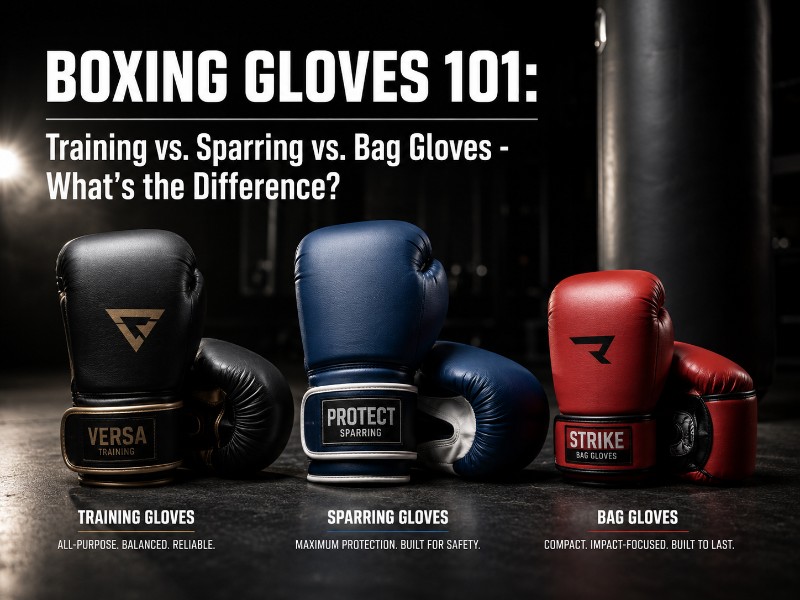

Boxing gloves look nearly identical hanging on a rack. Same chunky padding, same velcro straps, same familiar logos from Everlast or Title stamped across the wrist. But spend a few weeks actually training — like, real sessions, not just shadowboxing in your living room — and the differences hit you fast. Your wrists ache after heavy bag rounds. Your combinations feel sluggish during mitt work. Then some veteran at sparring night pulls you aside and explains that bag gloves aren’t allowed for partner work because the padding breaks down in completely different ways.
That kind of confusion is everywhere right now, honestly. Boxing fitness has exploded across the U.S. — LA Fitness classes, boutique studios, CrossFit boxes, home setups with freestanding bags. According to the Sports & Fitness Industry Association, combat sports participation has climbed steadily over the past decade, especially among recreational users who’ve never stepped inside a traditional boxing gym [1].
Here’s what the wrong glove actually costs you:
- Hand and wrist injuries that build up quietly over weeks
- Performance that feels off without knowing exactly why
- Getting turned away at the gym door on sparring night
And financially — one wrong purchase at $80 followed by a correction at $120 a month later hurts more than just doing the research upfront.
What follows is a breakdown of training gloves, sparring gloves, and bag gloves based on what actually matters: padding density, ounce weight, wrist support, durability, price, and the real-world situations where each one belongs.
What Are Training Gloves?
Training gloves live in the middle of the spectrum — not highly specialized, not completely stripped down either. Most beginner-friendly gyms hand you a pair of all-purpose gloves because they handle a reasonable mix of tasks without failing at any single one too badly. Mitt work, light bag rounds, partner conditioning drills, circuits — training gloves cover all of that without requiring you to swap equipment mid-session.
Models like the Everlast Pro Style and various Ringside options became popular partly for that reason. They’re not elite sparring gloves by any stretch, but they survive regular gym sessions without cracking apart after six weeks of use.
Why training gloves became the default gym option
A lot of fitness-focused boxing classes don’t separate drills cleanly anymore. One session might mix three rounds on mitts, four rounds on heavy bags, some conditioning intervals, and then light partner touch drills — all in sixty minutes. Swapping gloves between each station becomes annoying enough that most people just don’t bother.
Most training gloves share a similar set of features:
| Feature | What It Actually Does |
|---|---|
| Layered foam padding | Balances impact across mixed surfaces |
| Hook-and-loop closure | Easy on and off between rounds |
| Ventilation mesh | Cuts down on sweat accumulation |
| Synthetic or genuine leather | Determines durability ceiling and price |
| Moderate wrist support | Helps beginners stay aligned on impact |
Price usually lands somewhere between $40 and $150 depending on materials and brand. Synthetic leather dominates the beginner shelf at Dick’s Sporting Goods and Amazon because most casual users don’t train frequently enough to justify spending more. Once you’re hitting four or more sessions a week though, genuine leather ages noticeably better — the padding holds shape longer, the stitching doesn’t split as early.
CrossFit-style boxing classes pushed training gloves even further into mainstream use. A lot of people now train boxing purely for cardio, with zero intention of ever sparring. For those users, specialized equipment rarely makes sense.
But here’s the part worth paying attention to: training gloves involve compromise by design. Bag work slowly hardens the foam toward density. Sparring softens it unevenly in different spots. After a few months of mixed use, one glove ends up trying to handle two completely opposite jobs — and doing neither especially well.
What Are Sparring Gloves?
Sparring gloves exist primarily to protect the other person, which changes everything about how they’re built.
A solid jab carries enough force to cause real damage even through standard padding. When manufacturers design for partner rounds, the focus shifts heavily toward spreading impact across a wider area rather than concentrating it. Winning Boxing built their entire reputation around this idea — their gloves feel noticeably softer on contact compared to something like Cleto Reyes, which stays slimmer and denser by design.
USA Boxing-sanctioned gyms typically require 14 oz, 16 oz, or 18 oz sparring gloves depending on body weight and individual gym policy.
What makes sparring gloves different
The extra padding changes how punches land in ways that matter during extended rounds. Shots feel duller. Wider surface contact. Less concentrated pressure around the knuckle area specifically.
Common sparring glove features include:
- High-density foam built for repeated partner impact
- Larger knuckle surface area to distribute force
- Compatibility with standard headgear cheek guards
- Softer outer layer for partner safety
- Higher ounce weight overall
Competitive amateurs often prefer lace-up closures because the wrist stabilization feels tighter during longer sessions. The inconvenience comes afterward — lace-up gloves are genuinely annoying to remove without someone helping you.
Hook-and-loop dominates fitness gyms for that reason alone. Convenience wins.
Now, here’s something that surprises most people early on: sparring gloves can feel genuinely frustrating during heavy bag work. The bulk slows punch speed slightly. Fast combinations demand more shoulder endurance than you’d expect. The adjustment period usually takes a few weeks before it starts feeling normal, if it ever really does on a dense bag.
At Mayweather Boxing + Fitness locations, plenty of recreational members use 16 oz gloves exclusively because the gym prioritizes safety over equipment specialization. That works fine for lighter technical work. Hard heavy-bag rounds are a different situation — the padding simply wasn’t designed for that kind of dense, repeated impact.
What Are Bag Gloves?
Bag gloves strip things down toward efficiency. Heavy bags absorb punishment differently than a training partner does — the dense resistance pushes force directly back through the hand, especially on hooks and uppercuts. Bag gloves compensate by concentrating support around the wrist and keeping the knuckle padding compact rather than spread wide.
You notice the fit difference immediately. Tighter. Snappier. Less bulk around the palm.
Models like the Everlast Powerlock, Title Boxing Heavy Bag gloves, and several FightCamp options lean into this compact profile. The knuckle padding stays focused rather than spreading outward for partner protection the way sparring gloves do.
Why bag gloves feel different instantly
Most people notice two things right away when switching from training gloves:
- Better wrist stability on impact
- Noticeably faster hand speed
The lighter ounce weight helps with that — many bag gloves stay in the 10 oz to 14 oz range. That smaller profile makes them popular for home gyms, where most training happens solo. Cardio boxing sessions especially benefit from the reduced weight because shoulder fatigue builds more slowly during high-volume combination work.
Typical bag glove construction looks something like this:
| Feature | What It Does |
|---|---|
| Dense foam core | Handles repetitive heavy impact |
| Reinforced palm area | Extends overall durability |
| Wrist wrap support | Stabilizes punch mechanics |
| Compact profile | Increases hand speed |
| Heavy-duty stitching | Resists breakdown under volume |
Rogue Fitness and Century Martial Arts both market heavily toward garage-gym users partly because home setups tend to revolve around bag work rather than technical partner sparring.
The problem starts when people use bag gloves for partner rounds. The padding compresses differently than sparring gloves do. Impact lands harder on the receiving end. Once fatigue sets in and punches stop landing clean, partner safety drops faster than most people realize — and that mistake still happens regularly in gyms across the country.
Key Differences in Padding and Protection
Padding is where the real story lives. The outside shell of most gloves looks similar enough. Internally, the foam layering changes almost everything about how a glove performs and how safe it actually is.
Sparring gloves prioritize impact distribution
The foam in sparring gloves spreads force across a wider contact area, which reduces concentrated pressure on an opponent’s nose, cheeks, and temples. Winning Boxing became famous partly for how deceptively soft the contact feels even when the punch behind it carries real force.
Bag gloves prioritize durability
Heavy bag sessions break gloves down faster than most people expect. Dense foam cores in bag gloves resist compression longer, particularly during hard straight punches. Cleto Reyes bag gloves stay popular among more experienced punchers because the compact design delivers clear feedback through the knuckles — you know immediately when your alignment is off.
The trade-off: less forgiving padding increases hand fatigue when wrist mechanics slip even slightly.
Training gloves balance both
Training gloves try to survive mixed-use sessions without becoming too specialized in either direction. That balancing act works reasonably well for beginners. Advanced boxers tend to notice the limitations faster than they expect.
The American Academy of Orthopaedic Surgeons has consistently flagged hand and wrist injuries as some of the most common boxing-related problems, particularly from repetitive impact and poor stabilization [2]. Hand wraps help substantially — supporting knuckle alignment and wrist position underneath the glove. Without wraps, even an expensive glove loses a significant portion of its protection system.
Weight and Ounce Differences Explained
Glove ounces confuse almost everyone at first. Heavier ounce weight doesn’t mean the glove fits a physically larger hand — it reflects total glove mass, padding included.
Common boxing glove sizes
| Glove Weight | Typical Use |
|---|---|
| 10 oz | Speed work, pads, bag training |
| 12 oz | Fitness boxing, lighter bag sessions |
| 14 oz | General training, lighter sparring |
| 16 oz | Standard sparring |
| 18 oz | Heavyweight sparring |
USA Boxing and Golden Gloves Tournament standards influence what gyms require. Fighters above certain weight classes typically spar in 16 oz gloves at minimum.
The difference between 12 oz and 16 oz gloves
A 12 oz glove feels quicker. Combinations snap faster. Conditioning circuits go easier on the shoulders for most people. A 16 oz glove creates natural resistance — arms fatigue sooner, defensive habits matter more because the extra weight exposes sloppy technique in ways lighter gloves let you get away with.
In practice, a lot of recreational boxers end up keeping two pairs:
- One pair specifically for bag work
- One pair for sparring
That costs more upfront, but each glove lasts noticeably longer because it’s handling fewer conflicting demands on the foam.
When Should You Use Each Type?
The answer depends less on your experience level and more on how you actually train.
Someone attending occasional boxing fitness classes at LA Fitness probably won’t feel major differences right away. Someone preparing for a Golden Gloves tournament will notice everything immediately.
Best use cases by training style
| Training Situation | Best Glove Type |
|---|---|
| Fitness classes | Training gloves |
| Technical sparring | Sparring gloves |
| Heavy bag conditioning | Bag gloves |
| Home gym workouts | Bag gloves |
| Mixed beginner sessions | Training gloves |
Budget changes the conversation too. A lot of newer boxers start with one affordable pair from Amazon or Dick’s Sporting Goods during a sale, and that honestly makes sense — training habits shift significantly after the first few months. Some people become obsessed with bag work. Others drift toward technical sparring. The right glove category usually reveals itself naturally after enough time in the gym.
FightCamp users often lean toward bag-specific gloves because connected fitness systems emphasize volume punching over partner drills. And gym policy matters more than you might expect — certain gyms reject bag gloves during sparring classes regardless of padding condition, so checking ahead saves an awkward conversation at the door.
Cost Comparison in the U.S. Market
Price gaps in boxing gloves get extreme fast. One shelf might hold a $35 Everlast pair sitting directly beside a $240 Winning Boxing model imported from Japan.
Typical U.S. pricing breakdown
| Glove Category | Budget Range | Premium Range |
|---|---|---|
| Training gloves | $40–$80 | $120–$180 |
| Sparring gloves | $60–$120 | $180–$250 |
| Bag gloves | $30–$70 | $100–$160 |
What changes at higher prices
Premium leather improves longevity more than raw punching performance. The real difference shows up after months of accumulated sweat, repeated impact, and stitching stress. Cheap synthetic gloves tend to crack around the thumb attachment first — and once that goes, the velcro usually isn’t far behind.
Winning Boxing and Cleto Reyes charge premium prices partly because of craftsmanship and import costs. Amazon discounts entry-level models aggressively, while Dick’s Sporting Goods generally offers easier return policies for sizing issues — which matters more than you’d think, because glove fit varies wildly between brands. A 16 oz Everlast glove can fit noticeably tighter than a 16 oz Ringside glove despite identical ounce weight on the label.
Common Mistakes When Choosing Gloves
Most common glove mistakes trace back to trying to save money too early. That sounds harsh, but gym floors repeat the same pattern constantly.
Using bag gloves for sparring
This is still the biggest issue in beginner gyms. Bag gloves concentrate padding for impact durability, not partner safety. Once fatigue sets in during live rounds, the difference between bag glove contact and sparring glove contact becomes very clear — to the person on the receiving end especially.
Ignoring ounce requirements
Some gyms require 16 oz sparring gloves regardless of your body weight. Showing up with 12 oz gloves creates an immediate problem. USA Boxing compliance standards influence many amateur-focused gyms more than beginners typically realize.
Buying based only on aesthetics
Bright colors and metallic finishes sell well online. Padding quality tells the actual story after two months of regular use — and by then, returning them usually isn’t an option.
Skipping hand wraps
Even expensive gloves can’t stabilize the small bones of the hand on their own. Wrist injury risk climbs fast without proper wrapping underneath, regardless of glove quality.
Assuming all training gloves perform equally
Foam breakdown varies significantly between brands and price points. Some lower-cost gloves flatten after just a few hard sessions on a dense bag. The knuckle discomfort arrives gradually at first, then all at once.
Final Comparison Chart: Training vs Sparring vs Bag Gloves
| Feature | Training Gloves | Sparring Gloves | Bag Gloves |
|---|---|---|---|
| Primary Use | Mixed gym training | Partner sparring | Heavy bag workouts |
| Padding Style | Balanced foam layering | Softer impact distribution | Dense compact foam |
| Weight Range | 12–16 oz | 14–18 oz | 10–14 oz |
| Wrist Support | Moderate | Strong | Very strong |
| Durability | Moderate | Moderate | High |
| Best For | Beginners, fitness classes | Amateur competitors | Solo conditioning |
| Common Brands | Everlast, Title Boxing | Winning Boxing, Cleto Reyes | Everlast Powerlock, FightCamp |
| Protection Rating | Balanced | Highest for opponents | Highest for self-impact |
| Typical Price | $40–$150 | $60–$250 | $30–$160 |
Training gloves work well while you’re still figuring out your routine. Sparring gloves become necessary once partner rounds get serious. Bag gloves make the most sense for volume punching sessions, particularly in home setups where partner work isn’t part of the picture.
And honestly, the whole glove question stops feeling abstract after enough rounds. Wrist soreness, compressed knuckles, shoulder fatigue on the third round — those details start revealing pretty clearly where the wrong glove was doing the wrong job.
Conclusion
The difference between training gloves, sparring gloves, and bag gloves comes down to purpose more than brand recognition.
Training gloves balance versatility across mixed sessions. Sparring gloves protect the person across from you. Bag gloves handle repeated heavy impact while keeping your wrist stable through high-volume work.
Simple enough in theory. Real gym experience complicates things. Padding density changes how punches feel on both ends. Ounce weight changes conditioning demands in ways that take weeks to fully notice. Even the closure system affects wrist support during longer rounds more than most people expect going in.
Most U.S. boxers eventually build a small rotation rather than relying on one pair for everything. The sport tends to push you there naturally — somewhere between replacing worn velcro for the second time and realizing that 16 oz gloves now feel completely normal, the categories stop being confusing and just become part of how you train.
Sources
[1] Sports & Fitness Industry Association (SFIA) Participation Reports
[2] American Academy of Orthopaedic Surgeons – Hand and Wrist Injury Research