
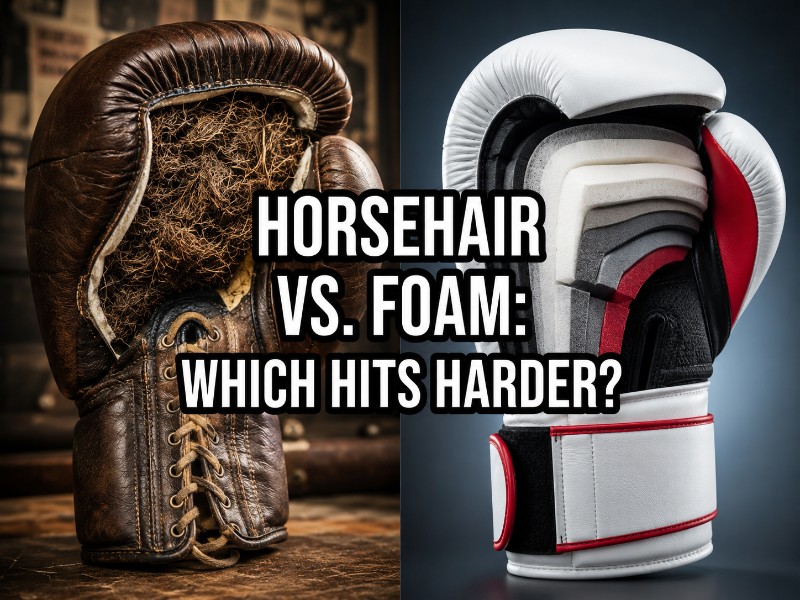

Walk into almost any boxing gym in the United States and the glove wall tells a story. One rack holds compact horsehair fight gloves that look lean and aggressive. Another is stacked with thick foam training gloves built like protective armor. Same sport. Totally different feel once punches start landing.
Padding changes everything. Power transfer. Wrist fatigue. Hand protection. Even the sound on the heavy bag.
In American boxing culture, that distinction matters more than ever. USA Boxing amateur tournaments prioritize safety and consistency. Golden Gloves competitors often train in heavily padded sparring gloves but switch to lighter competition gear under strict regulations. Meanwhile, cardio boxing classes and home gym setups have exploded across cities like Dallas, Los Angeles, and Miami, where comfort and durability matter more than knockout power.
Price adds another layer. Entry-level foam boxing gloves from Everlast or Ringside usually start around $40 to $80. Premium horsehair fight gloves from Cleto Reyes or Grant Worldwide can climb past $300. And oddly enough, the more expensive glove sometimes wears out faster.
That catches plenty of buyers off guard.
This breakdown focuses on how glove padding types actually perform in American gyms, amateur tournaments, and professional fight settings so you can match the glove to your training style, budget, and long-term use.
What Is Horsehair Padding in Boxing Gloves?
Horsehair boxing gloves trace back to old-school American prizefighting. Before modern layered foam became standard, horsehair padding was the norm in professional fight gloves because it delivered a compact fit and sharper punch feedback.
The first thing most fighters notice is how alive horsehair feels.
The padding shifts during use. It compresses. It settles around the knuckles over time. That movement creates a glove that molds to your hand in a very specific way, though the trade-off shows up after months of heavy bag work. Padding can bunch unevenly, especially in cheaper models.
Professional boxing in the United States still leans heavily toward horsehair or hybrid horsehair gloves for televised bouts. Showtime Boxing and ESPN Boxing events regularly feature Mexican-style gloves from brands like Cleto Reyes and Grant Worldwide because punchers prefer the direct impact transfer.
And honestly, “puncher’s gloves” became a real nickname for a reason.
Common characteristics of horsehair fight gloves
- Dense punch feedback during combinations
- Slim profile compared to foam boxing gloves
- Faster break-in feel
- Reduced long-term cushioning
- Better connection on precision shots
Hybrid gloves changed the market a bit. Many modern pro fight gloves combine horsehair boxing padding with foam layers to balance power and protection. You see that setup often in Las Vegas title fights where commissions want enough safety while fighters still want compact striking surfaces.
For most people training five days a week, though, pure horsehair gloves become a rough ride eventually. Knuckles start feeling every round.
What Is Foam Padding in Boxing Gloves?
Foam boxing gloves dominate American training gyms because foam absorbs punishment better over long sessions. That’s the simplest explanation, though the details matter.
Older foam gloves felt bulky and stiff. Newer designs don’t.
Modern multi-layer foam padding spreads impact across several densities. IMF foam (injected molded foam) keeps its shape longer and protects the hands during repeated heavy bag sessions. Brands like Title Boxing, Everlast, and Ringside pushed that technology hard because recreational boxing expanded beyond competitive fighters.
Now the average buyer might be training for fitness instead of competition.
That changed glove design dramatically.
Popular foam glove technologies in the U.S.
| Foam Type | Common Use | Feel | Typical Price |
|---|---|---|---|
| Multi-layer foam padding | Sparring and bag work | Balanced | $60–$180 |
| IMF foam | Fitness boxing and beginners | Firm and durable | $40–$120 |
| Gel-infused foam | Heavy bag training | Softer impact | $80–$200 |
Foam padding also keeps its structure longer than horsehair. Shape retention matters more than people realize, especially during long sparring rounds where uneven padding can irritate wrists and knuckles.
In practice, most boxing gyms across New York, Chicago, and Los Angeles push beginners toward foam gloves immediately. Fewer hand injuries. Less soreness. Better protection for sparring partners.
And frankly, gym owners don’t enjoy dealing with busted noses from compact horsehair gloves during casual sparring nights.
Impact & Power: Which Padding Hits Harder?
Horsehair gloves hit harder. That’s the reputation, and most experienced fighters agree with it.
The reason comes down to compression.
Horsehair padding flattens more during impact, which means less energy gets absorbed inside the glove itself. More force transfers into the target. On heavy bags, the difference becomes obvious after a few rounds. Punches sound sharper. Feedback feels immediate.
Some fighters love that sensation. Others hate it after the second week.
Foam gloves mute impact slightly because the padding absorbs more shock before the punch reaches the bag or opponent. That cushioning protects the hands but softens punch feedback.
Horsehair vs foam during bag work
| Feature | Horsehair Gloves | Foam Gloves |
|---|---|---|
| Punch feedback | Very high | Moderate |
| Heavy bag comfort | Lower over time | Higher |
| Hand fatigue | Faster buildup | Reduced strain |
| Impact transfer | Greater | More absorbed |
| Sparring suitability | Limited | Excellent |
American pro boxing culture still romanticizes horsehair fight gloves because televised bouts reward visible impact. A compact Grant Worldwide glove under bright Las Vegas lights carries a certain aura. Fighters chasing knockouts often prefer that direct connection.
But heavy bag training changes the equation.
Three rounds in horsehair feels exciting. Ten rounds starts exposing flaws. Especially on dense bags in old-school gyms where padding barely exists anymore.
Protection & Safety: Headgear, Sparring, and Injury Risk
This section usually separates serious training gloves from fight gloves.
Foam padding wins on safety almost every time.
USA Boxing amateur safety standards prioritize shock absorption because repeated head trauma and hand injuries remain constant concerns in the sport [1]. Foam gloves distribute force more evenly, which reduces stress on both hands and sparring partners.
That’s why most U.S. gyms require foam sparring gloves.
Even experienced fighters who compete in horsehair gloves often train in 14 oz or 16 oz foam gloves during regular sparring sessions. Better knuckle protection. Better wrist support. Less swelling after hard rounds.
Why foam gloves dominate sparring
- Softer impact during exchanges
- Reduced facial cuts and bruising
- More consistent padding structure
- Better support with hand wraps
- Longer protection lifespan
Horsehair gloves can become risky once the padding shifts. One side of the knuckle area may thin out faster than expected. Suddenly, punches land unevenly. Training partners notice immediately.
There’s also a practical gym culture issue here. Coaches in amateur boxing gyms usually care more about preserving fighters for future tournaments than proving toughness during Tuesday sparring.
That mindset shaped American amateur boxing for decades.
Durability & Longevity: Cost per Use in USD
This part frustrates plenty of buyers because expensive gloves don’t always last longer.
Horsehair compresses. That’s the reality.
A premium pair of Cleto Reyes horsehair fight gloves might cost $220 to $350, but daily heavy bag use can flatten the padding within a year. Sometimes sooner if the gloves stay trapped in humid gym lockers.
Foam gloves generally survive longer under repeated training conditions.
Average lifespan comparison
| Glove Type | Average Lifespan | Typical Price |
|---|---|---|
| Horsehair fight gloves | 6–18 months | $150–$350+ |
| Foam training gloves | 1–3 years | $60–$200 |
| Hybrid gloves | 1–2 years | $120–$250 |
Synthetic leather foam gloves under $100 from Ringside or Title Boxing often deliver surprisingly strong cost-per-session value for recreational users.
Meanwhile, premium leather horsehair gloves feel incredible early on but require maintenance. Air drying matters. Rotation matters. Climate matters more than expected in humid states like Florida or Louisiana.
A glove can smell like regret after one bad summer week in a trunk.
Training vs. Competition: What Do U.S. Fighters Use?
Most American fighters use multiple glove types depending on the session.
That’s pretty normal.
Golden Gloves competitors might spar in 16 oz foam gloves all week, train on the heavy bag in compact hybrid gloves, then compete in sanctioned USA Boxing equipment during amateur tournaments.
Professional boxing gyms follow similar patterns.
At places around Madison Square Garden or older Chicago boxing clubs, fighters often separate gloves like this:
- Foam gloves for sparring
- Hybrid gloves for mitt work
- Horsehair gloves for competition prep
- Dedicated bag gloves for conditioning rounds
The culture shifts slightly between cities, too. West Coast gyms sometimes lean toward lighter Mexican-style gloves for pad work, while East Coast amateur gyms often prioritize larger protective sparring gloves.
Hybrid boxing gloves sit in the middle. They’ve become popular because they mimic fight glove feedback without destroying the hands during everyday training.
That balance matters more than hype.
Comfort & Feel: Break-In Period and Fit
Horsehair gloves age like raw leather boots. Awkward at first. Then strangely addictive once broken in.
The glove molds around your hand over time because the padding shifts naturally with impact. Fighters who love horsehair usually describe it as “connected” or “snug.” The downside appears later when uneven compression starts affecting comfort.
Foam gloves feel more predictable.
A quality IMF boxing glove from Everlast or Ringside generally keeps the same shape for months. That consistency appeals to fitness boxers, CrossFit gyms, and cardio boxing classes where users rotate between sessions without caring about fight-level punch feedback.
Comfort differences that actually matter
| Comfort Factor | Horsehair | Foam |
|---|---|---|
| Break-in time | Short to moderate | Minimal |
| Shape retention | Lower | Higher |
| Knuckle feel | Direct | Cushioned |
| Heat retention | Moderate | Higher in thick gloves |
| Wrist support | Depends on design | Usually stronger |
Climate changes things too.
In humid American regions, horsehair gloves can absorb moisture faster and break down unevenly. Foam gloves trap more heat but resist sweat damage better over time.
And yes, lace-up gloves still feel more secure than velcro in many cases, though casual users rarely want the hassle.
Ethical & Regulatory Considerations in the U.S.
Animal-derived horsehair creates a small but growing debate in boxing gear circles.
Some buyers actively seek vegan boxing gloves made with synthetic foam and synthetic leather. Others care more about traditional craftsmanship and fight performance than material sourcing.
The market now supports both.
Brands increasingly label glove materials clearly because consumer transparency laws and athletic commission standards push manufacturers toward better disclosure practices. The Nevada State Athletic Commission and other state athletic commissions also regulate approved competition gloves during sanctioned bouts [2].
That doesn’t mean every glove marketed online tells the full story, unfortunately.
Some “horsehair” gloves actually use blended fillings. Others market synthetic materials vaguely enough that buyers assume premium construction where none exists.
Reading product specs carefully matters more than branding slogans.
Who Should Choose Horsehair vs. Foam?
The answer usually depends on training style, not internet mythology.
A lot of newer fighters buy horsehair gloves expecting instant knockout power. Then hand soreness arrives two weeks later and the gloves disappear into a closet beside unused jump ropes and resistance bands.
Best boxing glove padding by user type
| Fighter Type | Better Choice | Why |
|---|---|---|
| Beginners | Foam boxing gloves | Better protection and comfort |
| Fitness boxers | Foam gloves | Longer durability and softer feel |
| Heavy bag specialists | Hybrid gloves | Strong feedback without excessive strain |
| Professional fighters | Horsehair or hybrid | Sharper impact transfer |
| Sparring-focused athletes | Foam gloves | Safer for partners |
| Home boxing gym users | Foam or IMF gloves | Better long-term value |
For most American consumers, foam training gloves between $80 and $150 deliver the best balance of protection, durability, and comfort.
Horsehair gloves make more sense in narrower situations:
- Professional fight preparation
- Experienced punchers
- Fighters wanting compact glove feedback
- Shorter high-intensity sessions
And honestly, the best boxing glove padding often changes as training evolves. Somebody focused on heavy bag workouts today might drift toward sparring six months later and suddenly value protection more than punch feel.
That shift happens constantly in boxing gyms across the country.
Conclusion
Horsehair vs foam boxing gloves isn’t really about one material being superior. It’s about what happens once training becomes consistent enough for glove flaws to show up.
Horsehair gloves deliver sharper feedback, harder impact transfer, and that unmistakable pro-fight feel seen on major American fight nights. But they compress faster, protect less, and demand more from your hands.
Foam gloves absorb punishment better. They last longer. They fit the reality of modern U.S. boxing culture where sparring, fitness boxing, and long training sessions dominate everyday gym life.
Most fighters eventually land somewhere in the middle. One pair for sparring. Another for bag work. Maybe a compact pair reserved for competition prep.
That setup usually tells the truth faster than marketing copy ever will.
Sources
[1] USA Boxing Safety Standards and Competition Equipment Guidelines
[2] Nevada State Athletic Commission Equipment Regulations