
The Importance of Boxing Hand Wraps: Protecting Your Hands, Elevating Your Game
Let me say this upfront: if you’re training without hand wraps, you’re gambling with the most important tools in your boxing arsenal—your hands. And trust me, it’s a bet that rarely pays off. Whether you’re hitting the heavy bag three times a week or gearing up for your first amateur bout, boxing hand wraps are not just optional gear—they’re essential. They’re your first line of defense, your unseen armor, and honestly, they can be the difference between a clean jab and a fractured knuckle.
You see, in the American boxing scene—especially in those gritty local gyms where fighters are forged—hand wraps are non-negotiable. Same goes for the fitness-forward crowd jumping into boxing for cardio or stress relief. Wraps aren’t just for pros; they’re for anyone serious about keeping their hands safe and their form solid.
Let’s break it all down.
What Are Boxing Hand Wraps?
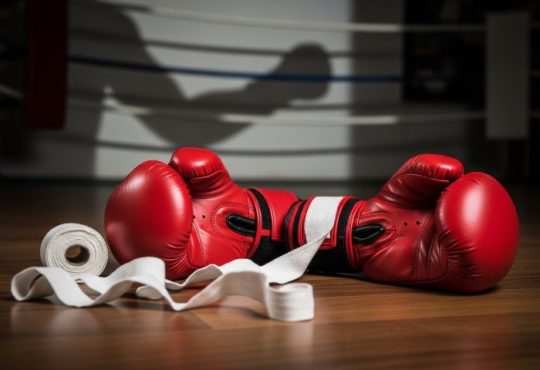
At their core, boxing hand wraps are long strips of cloth or gel-padding material designed to secure your wrist, support your knuckles, and protect your fingers during training or fights.
You’ll usually find three main types on the U.S. market:
Traditional Cotton Wraps (most common) – Usually 180 inches long, breathable, semi-elastic, and require a bit of practice to wrap correctly. They’re what I use 95% of the time.
Gel Wraps – These slip on like gloves and have built-in padding across the knuckles. They’re fast, but not as supportive.
Quick Wraps/Inner Gloves – A hybrid of sorts. Some have a Velcro strap, some don’t. They’re better than nothing, but not nearly as adjustable.
Most wraps feature a thumb loop to anchor your wrap and a Velcro closure to lock it in place. Materials vary—some are stiffer, others more elastic—but American brands like Everlast, Ringside, and Title Boxing usually offer a range that fits both beginners and pros.
Why Boxing Hand Wraps Matter for Safety
Here’s the reality: your hand is made up of 27 small bones, and a bad punch can mess up any one of them. I’ve seen people sprain wrists on mitts and crack knuckles just shadowboxing too hard—yes, really.
The wraps help distribute the force of a punch away from your knuckles and toward the wrist and forearm, reducing the chance of:
Metacarpal fractures (classic “boxer’s fracture”)
Ligament sprains
Wrist hyperextension or strain
And in American gyms, you’ll often find posted rules: “Wraps required for all bag work.” This isn’t just to keep your hands safe—it’s for insurance reasons. Some gyms won’t even let you glove up without them.
What I’ve learned? If you skip the wraps, it’s not a matter of if you’ll get hurt. It’s when.
How to Use Hand Wraps Correctly
If you’ve ever rushed through wrapping and thought, “Close enough,” you’re doing it wrong.
Here’s a quick step-by-step from how I wrap before every session:
Loop the thumb – Always start here. It anchors everything.
Three wraps around the wrist – Build the base. This is your foundation.
Three wraps across the knuckles – Don’t just cover the knuckles—pad them.
Weave between the fingers – Crucial. This helps stabilize finger alignment.
Back to the wrist – Finish it off tight, but never cut off circulation.
Tip: You want snug, not strangling. If your fingers start to tingle mid-round, re-wrap.
I’ve learned to give myself at least 5–7 minutes before training to do it right. Better to take that time now than nurse a swollen wrist later.
Common Mistakes When Wrapping Hands
You’d be surprised how often people screw this up—even experienced fighters.
Top mistakes I see:
Overtightening – Kills circulation and affects punch accuracy.
Skipping the knuckles – Big mistake. Your glove alone won’t protect them.
Forgetting finger loops – Leads to instability and sloppy punches.
Uneven tension – You’ll feel the wrap slipping or shifting mid-round.
One coach I worked with used to say, “If it feels perfect when you start, it’s probably too tight.” That’s stuck with me.
If your hand feels like a balloon after a round on the mitts, you’re doing it wrong.
Choosing the Right Hand Wraps (US Brands)
So, which wraps should you get?
Here’s a quick comparison table with my personal takes:
| Brand | Type | Price (USD) | My Take |
|---|---|---|---|
| Everlast | Cotton 180″ | $12–$15 | Classic. Reliable. A little stiff at first, but lasts. |
| Hayabusa | Mexican-style 180″ | $20–$25 | Super comfortable. More stretch. Great for beginners. |
| Ringside | Gel Quick Wraps | $20–$30 | Fast but less protective. Good for cardio classes. |
| Title Boxing | Semi-elastic 180″ | $10–$18 | Budget-friendly, solid for daily gym work. |
If you’re just starting? Go with 180″ semi-elastic cotton wraps. They’re forgiving, durable, and offer solid support.
Wraps vs Inner Gloves: What’s Better?
Now, here’s a common debate. Should you go old-school with wraps or grab inner gloves?
Let me break it down:
| Feature | Traditional Wraps | Inner Gloves |
|---|---|---|
| Support Level | High | Moderate |
| Convenience | Low | High |
| Fit Adjustability | High | Low |
| Protection Coverage | Full (with skill) | Partial |
| Learning Curve | Steep-ish | None |
My opinion? Traditional wraps win by a landslide—if you take time to learn. Inner gloves are fine for kids’ classes or quick workouts, but they won’t give you the same custom-fit security.
Hand Wrap Hygiene and Maintenance
You sweat in them. A lot. If you don’t wash your wraps, they’ll stink, rot, and possibly grow things you really don’t want near your skin.
Here’s what I do:
Throw them in a mesh laundry bag – Keeps them from tangling.
Cold wash, hang dry – Never put them in the dryer. They’ll shrink or warp.
Rotate between two pairs – I keep one drying while I train with the other.
Replace every 3–4 months – Or sooner if the Velcro dies or fabric thins.
In most American gyms, showing up with crusty, reeking wraps is a fast way to get side-eyed. Don’t be that person.
The Role of Hand Wraps in Competitive Boxing
In both amateur and professional U.S. boxing, hand wraps are not just recommended—they’re regulated.
USA Boxing, for example, has strict rules about wrap material, length, and how they’re applied. Pre-fight, a coach or official will inspect your hands before gloves go on. If you’re competing, there’s zero margin for error.
And look—fighters like Terence Crawford or Devin Haney? They don’t skip their wraps. Ever. You think they made it to the top by ignoring basic hand care?
If you plan to compete, start wrapping like it’s part of your fight ritual. Because it is.
Conclusion: Wrap Up Your Training Safely
Let me leave you with this: your hands are your career, your craft, and your connection to the sport. Whether you’re throwing combos on the mitts or chasing a title belt, hand wraps are how you protect the tools that make it all happen.
A solid pair of wraps costs less than lunch and takes five minutes to apply—but they can save you thousands in medical bills and weeks of downtime.
So wrap up. Wrap right. Wrap every time.
Train smart. Punch clean. And don’t take your hands for granted—they’re your most valuable asset in the ring.