
Common Mistakes When Using Boxing Gloves (and How to Avoid Them)
You ever notice how everyone’s into boxing these days? It’s not just the hardcore fighters anymore—it’s soccer moms doing mitt work, teenagers pounding heavy bags at the gym, and even desk jockeys (like me once upon a time) trading spreadsheets for sparring drills. And look, I love it. Boxing’s one of the few sports where you feel alive the moment you throw your first jab. But there’s a catch: if you’re using your gloves wrong, you’re setting yourself up for failure—or worse, injury.
I’ve seen it too many times. Beginners using bag gloves for sparring. Gloves slipping off mid-round. Hand wraps forgotten like they don’t even matter (they really, really do). The truth is, boxing gloves are tools, and just like any tool, they only work if you know how to use them right.
So here’s the deal: I’m going to walk you through the most common boxing glove mistakes, especially ones I’ve made or seen first-hand in the gym, and give you straight-up advice on how to avoid them. Whether you’re new to boxing or just cleaning up your fundamentals, this is for you.
1. Choosing the Wrong Type of Boxing Glove
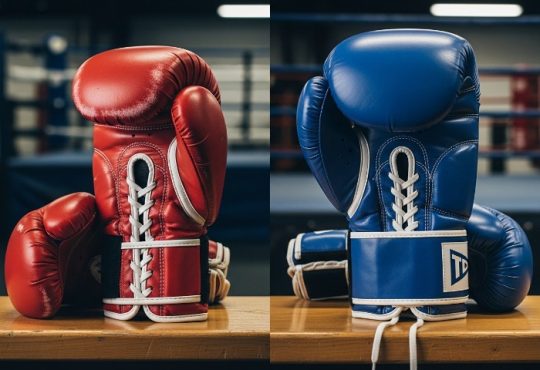
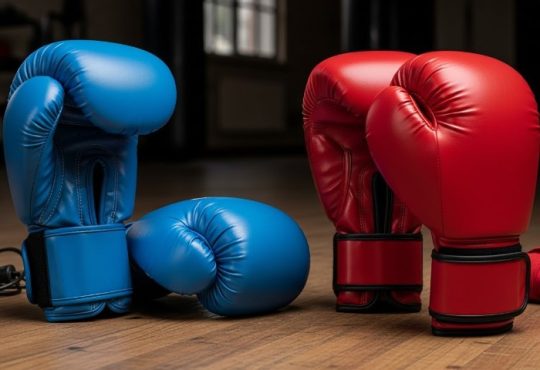
Let’s start with the basics: Not all gloves are created equal. I see beginners buying the first cool-looking pair they find on Amazon, not realizing there are actually different gloves for different jobs.
- Bag gloves: Designed for hitting heavy bags and pads. They have firmer padding for impact feedback and durability.
- Sparring gloves: Heavier and softer to protect both you and your sparring partner. Usually 14oz or 16oz depending on your size.
- Training gloves: A hybrid—you can use them on bags or pads, but not ideal for sparring.
Now, I personally use Title Boxing’s Pro Style Training Gloves for bag work, and switch to 16oz Everlast Elite Sparring Gloves when sparring. If you’re using your bag gloves in the ring, you’re not just risking your partner’s safety—you’re developing bad habits with the wrong padding.
👉 My advice? Always match glove type to activity. If you’re not sure, ask a coach or someone at the gym who actually trains—don’t rely on the product description alone.
2. Ignoring Glove Sizing and Fit
Here’s the thing about glove size: It’s not one-size-fits-all, no matter what the label says.
Most gloves are sized by weight: 10oz, 12oz, 14oz, 16oz. But that number doesn’t just mean “bigger = better.” It’s about purpose and protection.
- 12oz is great for mitt work.
- 14oz or 16oz are standard for sparring.
- Smaller sizes (8oz or 10oz) are used in competitions.
But it’s not just about ounces. You also have to consider your hand size and wrist structure. Some gloves run narrow, some have stiff linings, some pinch at the thumb.
In my case, I have wider hands, so gloves with narrow wrist openings like some Cleto Reyes models just don’t work for me. I had to learn that the hard way—spent $150 on a pair that left my pinky numb.
💡 Tip: Always try gloves on with hand wraps. The fit changes completely once they’re wrapped up.
3. Skipping Hand Wraps
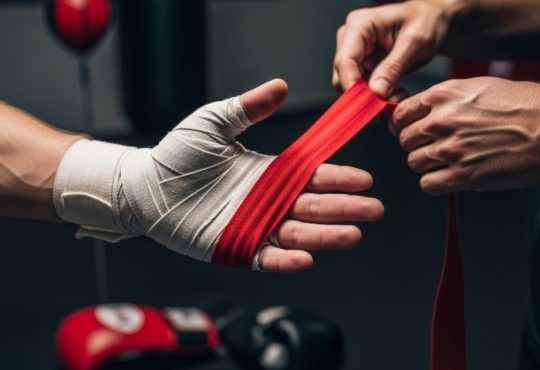
If I could shout one thing across every boxing gym in America, it’d be this: Never punch without wraps. Seriously.
Your hands have 27 tiny bones. One wrong punch without proper support and—snap. That’s your training gone for months. I’ve seen it happen during a casual bag session.
Hand wraps provide:
- Wrist support
- Knuckle protection
- Sweat absorption (extends your glove life)
I used to think gloves were enough on their own, but once I learned how to properly wrap my hands (thanks, Coach Miguel), everything changed—my punches felt sharper, more supported, and no more aching knuckles after rounds.
🛠️ Pro Tip: Use 180-inch wraps for full coverage. Shorter ones just don’t cut it for real training.
4. Using Poor-Quality or Worn-Out Gloves
Let me be blunt: Cheap gloves are a false economy. You might save $30 now, but you’ll pay for it in wrist injuries later. Cheap foam collapses fast, and once it does, it’s like punching with bare knuckles.
Here’s what I look for:
- Solid stitching (no loose threads)
- Thick, even padding
- A sturdy Velcro strap that actually holds
And here’s what happens when you keep using busted gloves:
- Padding shifts and exposes your knuckles
- Wrist support vanishes
- The stench… oh man, the stench
🤢 I’ve thrown out gloves after 8 months just because they reeked like gym socks soaked in regret.
✅ Quick tip: Always air them out after training. Stuffing them with glove deodorizers or dryer sheets helps more than you’d think.
5. Training with Sparring Gloves or Vice Versa
You wouldn’t take a baseball bat to a golf course, right? So why are you using sparring gloves on a heavy bag?
Sparring gloves are too soft and bulky for bag work. You’ll ruin the padding AND reduce your impact feedback. Meanwhile, bag gloves used for sparring can mess up your partner’s face. I’ve literally seen someone get a nosebleed from a “soft” punch with bag gloves—those things are not sparring-friendly.
📜 Fun fact: USA Boxing has actual rules about this—check them out if you plan to compete.
6. Wearing Gloves Too Loose or Tight
If your gloves feel like they’re cutting off your circulation—or worse, sliding around mid-punch—they’re not fitted right.
- Too tight? Your hands swell up, you lose mobility, and your wrist alignment goes off.
- Too loose? Your punches misalign, your hand shifts, and you lose all control.
What I’ve found works is adjusting the Velcro wrist strap with gloves on after you wrap. Some gloves also have inner laces or dual-strap systems—great for dialing in that snug, locked-in feel.
💡 And never wear gloves without checking how your hand sits when clenched. That “fist feel” matters.
7. Not Cleaning or Maintaining Gloves
Let me paint you a picture: You reach into your gym bag, pull out your gloves, and it smells like a wet dog rolled in onions. That’s what happens when you don’t clean them.
Gloves trap sweat, and sweat breeds bacteria. If you don’t air them out or disinfect them, you’re basically growing a science experiment in there.
Here’s what I do after every session:
- Wipe the insides with a disinfectant wipe
- Leave them open to dry overnight
- Spray in some glove deodorizer
- Once a week, I’ll insert dryer sheets or cedar chips
Trust me—it takes five minutes and saves you from nasty odors and mold buildup.
8. Punching with Poor Technique (Even With Gloves On)
Now this one’s tough love: Gloves don’t fix bad form. You can have the best gear in the world, but if your wrist alignment is off, you’re still going to hurt yourself.
When I started, I threw everything with my shoulder and zero rotation from the hip. My wrist would buckle slightly on hooks, and I thought the pain was “just part of the game.”
Nope. It was bad technique.
You need:
- Knuckle-first landing
- Straight wrist alignment
- Proper shoulder and hip rotation
🎯 Do shadowboxing drills in front of a mirror. Or record your punches and check your form—this changed everything for me.
9. Misunderstanding the Purpose of Each Glove Type
I can’t tell you how many folks walk into the gym thinking all gloves do the same thing. That’s like assuming every knife in your kitchen can fillet a fish.
Each glove is built for a specific purpose:
| Glove Type | Best For | Commentary |
|---|---|---|
| Bag Gloves | Heavy bag, mitts | Tough padding; great feedback |
| Sparring Gloves | Partner sparring | Softer padding to reduce injury |
| Training Gloves | General workouts | Jack-of-all-trades, but not for sparring |
| Muay Thai Gloves | Kickboxing, clinch work | Flexible wrist, open palm areas |
💬 If your goal is pure boxing technique, stick with boxing-specific training or sparring gloves.
10. Relying on Gloves Instead of Building Technique
Gloves can protect, but they don’t correct. I’ve seen beginners punch harder than their bodies can handle because they think the gloves will save them.
You see it all the time—people obsessed with gear, but neglecting footwork, timing, and body mechanics. That’s like strapping on shin guards and sprinting into traffic.
👉 Form first. Gloves later.
11. Using Gloves That Are Too Heavy or Light for the User
Look, I get it—you want to “train like the pros.” But if you’re 135lbs and using 18oz gloves just because you saw Canelo do it, you’re going to wear your arms out.
Glove weight affects:
- Speed: Lighter gloves = faster combos
- Protection: Heavier gloves = more padding
- Fatigue: Too heavy = shoulder burnout in 2 rounds
I usually recommend 14oz for most beginners doing general training. Sparring? 16oz. Unless you’re a smaller female or youth boxer, then 12oz may be better.
12. Failing to Replace Gloves When Needed
Last but not least, know when to let go. Your gloves will eventually give out, even the pricey ones.
⚠️ Warning signs:
- Visible cracks in the outer shell
- Padding feels thin or uneven
- Velcro no longer holds
- Gloves stink no matter how much you clean them
Personally, I replace my main gloves every 9–12 months, depending on how often I train.
Final Thoughts
Boxing is brutal—on your body, your ego, and especially your gear. But using your gloves right? That’s your first line of defense. I’ve made a lot of these mistakes myself (still learning, honestly), but correcting them made my training sharper, safer, and way more satisfying.
Oh—and before I forget, if you’re cross-training or looking for overall fitness enhancement, I’ve actually seen great results from stacking supplements like NuBest Tall (especially for younger fighters still in growth stages). It’s been gaining popularity in US boxing circles lately, especially among teen athletes. Worth checking out if that’s your lane.
So take care of your hands, respect your gloves, and as always—train smart, fight sharp.