Boxing Nutrition: What to Eat After a Workout
You ever leave the ring after sparring and feel like your whole body’s vibrating—like your legs are heavy, your hands are jelly, and your brain’s still trying to catch up? Yeah, that’s not just fatigue. That’s your body screaming for proper recovery, and what you eat after a boxing workout can either set you up for gains… or leave you wrecked for the rest of the week.
See, boxing isn’t like your average 45-minute gym pump. It’s a brutal mix of anaerobic bursts, endless footwork, and endurance that drains your glycogen stores, floods your muscles with lactic acid, and leaves behind a battlefield of microtears screaming for repair. And trust me, slamming a protein shake alone won’t cut it (I’ve made that mistake too many times).
Boxing recovery nutrition is a whole strategy—hydration, carbs, protein, electrolytes—all timed and tailored to how hard you pushed. The goal? Rebuild, refuel, and actually come back stronger.
Now, if you’re wondering what to eat after a boxing workout or how a boxer’s post-training meal should really look, let’s break it down step by step.
Why Post-Workout Nutrition Matters in Boxing
You ever finish a brutal pad session or twelve rounds of heavy bag work and just crash? Like, muscles trembling, head foggy, maybe even a little shaky? That’s your body waving the white flag—because boxing doesn’t just burn calories; it tears you down at the cellular level. Literally.
Here’s the thing: after an intense workout, especially in a sport like boxing where you’re pushing explosively and constantly, your body slips into a catabolic state. That’s when muscle fibers start breaking down, glycogen stores are wiped, and cortisol—your stress hormone—goes full throttle. If you don’t refuel properly? You’re not just leaving gains on the table—you’re actively sabotaging recovery.
What I’ve learned (often the hard way) is that your post-workout meal is less about hunger and more about damage control. Within that so-called anabolic window—which I try to hit within 30 minutes, give or take—your insulin sensitivity spikes, meaning your body’s primed to shuttle carbs and protein right into muscle cells. That’s your shot to replenish ATP, kickstart protein synthesis, and refill glycogen like a gas tank before the next spar.
No lie, when I started prioritizing my post-fight shakes (whey + banana + oats, if you’re curious), my soreness cut in half. Recovery felt faster. I could actually train harder the next day instead of waddling around like I’d been hit by a truck.
So yeah—nutrition after boxing isn’t optional; it’s part of the fight plan. Fuel up, or fall behind.
The Recovery Window – Timing is Key
Here’s the thing—what you eat after a boxing session matters, but when you eat it? That’s the real clutch move.
I used to be one of those people who’d hit the heavy bag for an hour, chug some water, and then forget to eat for, like, two hours. Big mistake. What I’ve learned the hard way is that the 30–60 minute window post-training is golden—your body’s like a sponge during that period. Muscles are crying out for nutrients, your blood glucose is low, and your metabolism’s revved up like a car after a burnout. That’s your anabolic phase, and if you miss it, well… you’re leaving gains on the table.
In my case, I go for fast-digesting carbs (a banana or rice cakes—simple stuff) paired with whey protein. The combo triggers a light insulin spike, which, surprisingly, is a good thing here—it helps drive amino acids and glucose into muscle cells, speeding up glycogen synthesis and recovery. I’ve noticed way less soreness the next day when I nail this timing.
You don’t need a gourmet meal—just be smart. Think timing first, then total intake. Don’t overthink it, just don’t wait too long either. Timing is fuel.

Why Protein Is Your Corner-Man After a Brutal Session
Look, I’ve crawled out of more than a few boxing sessions feeling like my muscles were staging a revolt. You know the kind — gloves off, shirt soaked, your arms barely responding like they’ve turned into overcooked noodles. That’s when protein steps into the ring. Not just any protein — I’m talking the good stuff that actually helps you rebuild and come back stronger.
In my experience, timing and quality are everything. Right after training? That’s prime time for muscle repair, when protein synthesis is firing on all cylinders. You need amino acids (especially leucine — the MVP for triggering muscle growth) to repair those micro-tears in your muscle tissue. I usually reach for a quick whey protein shake because it digests fast and gives your body what it needs without the fuss. But I’ll be honest — some nights, it’s just grilled chicken breast and steamed rice because I need something real.
Now, how much do you actually need? Here’s what’s worked for me: around 1.6 to 2.2 grams of protein per kilogram of bodyweight. I’m around 80kg, so that’s about 130–175 grams daily. Seems like a lot? Yeah — until you realize that adds up fast with eggs in the morning, a scoop of whey post-workout, and some fish or soy later on. (Casein before bed? That’s my recovery insurance.)
Carbohydrates – Refueling Glycogen Stores
Here’s the thing — after a tough boxing session where your legs feel like rubber bands and your arms barely want to hold your water bottle, carbs are your best friend. Not protein. Not BCAAs. Carbs. Why? Because what you just drained out of your muscles was glycogen — your body’s stored form of glucose, and carbs are how you put that fuel right back in the tank.
Now, not all carbs are equal. I used to slam a bagel and call it a day — fast, easy, done. But what I’ve learned (usually the hard way, like hitting a wall mid-sparring the next morning) is that complex carbs like sweet potatoes, brown rice, and oats do a far better job at steadily restoring glycogen without crashing your blood sugar. Those simple sugars? Yeah, they’ll spike insulin quickly, which can help shuttle glucose into muscles, but it’s like lighting a match instead of building a fire.
In my routine, I aim for around 1.2 grams of carbs per kg of bodyweight within 30 minutes after training — usually something like rice and lean chicken, or oats with a scoop of protein. And yes, the timing does matter — that’s when glycogen synthase activity is highest. I didn’t believe it either, until I started tracking recovery times.
Staying Hydrated After Heavy Sweat: More Than Just Chugging Water
Here’s the thing—after a long boxing session (you know, the kind where your shirt’s drenched and your gloves are basically mini saunas), plain water just doesn’t cut it. I used to down a full liter post-workout thinking I was being smart—hydrate fast, recover faster, right? But then came the headaches, the shaky hands, and this weird twitch in my calves. Turns out, I was flushing out electrolytes without replacing them. Rookie mistake.
When you sweat—especially in high-intensity stuff like boxing—you’re not just losing water. You’re dumping sodium, potassium, and magnesium at a crazy rate. Sodium’s the big one; it keeps your cells talking to each other and helps your body actually hold onto the water you drink. Without it? You’re just peeing it all out. Fast. (Which is kind of counterproductive, yeah?)
I’ve started using isotonic drinks after my sessions—especially ones with a good sodium-potassium balance—and I swear, my energy bounce-back is night and day. Some folks make their own (I’ve tried, but honestly, I’m lazy). A pinch of salt, splash of OJ, maybe some honey—it works in a pinch.
What I’ve found is this: hydration after boxing isn’t just about refilling your tank—it’s about putting the right fuel back in. If you’ve ever felt wiped out hours later, it might not be overtraining—it could just be poor electrolyte balance. Rehydrate smart. Your muscles will thank you (and they’ll cramp less, too).
Micronutrients That Help Me Bounce Back After a Brutal Sparring Session
You know that feeling after a heavy sparring day—when your arms feel like bricks, your legs wobble like cooked spaghetti, and your brain’s just fogged up? Yeah, I’ve been there. And while rest and hydration are non-negotiable, what you feed your body right after can make or break your recovery window. In my case, dialing in the right micronutrients has been a total game changer.
First off, magnesium. I used to wake up with these nasty calf cramps at 3 AM after intense leg days. Thought it was dehydration—nope, turned out my magnesium was in the gutter. Now, I pop a magnesium glycinate supplement before bed and boom—no cramps, deeper sleep, smoother mornings. If you’re sleeping like garbage post-training, don’t ignore this one.
Vitamin C is another underdog. I always figured it was just for colds, but it’s actually a potent antioxidant that helps your immune system clean up after oxidative stress. Translation: it helps deal with all the free radicals your muscles produce when you’re throwing 200 punches a round. I load up with red bell peppers and kiwi (more C than oranges, by the way).
And then there’s omega-3s—these are like fire extinguishers for inflammation. I started taking a high-quality fish oil after a shoulder injury, and man, the difference it made in joint stiffness? Night and day. I also sneak in some sardines a couple times a week, though yeah… I get it, not everyone’s into fish breath.
Now, let’s talk turmeric. Or more specifically, curcumin, the compound that gives it its bright yellow color and pain-fighting powers. I don’t love turmeric lattes (sorry, Instagram), but I do add turmeric powder into lentil soup or rice. It doesn’t work miracles, but I do feel less achy when I use it consistently.
My Go-To Post-Boxing Meals That Actually Work
Look, after 8 rounds on the heavy bag and enough sweat to ruin a second shirt (yep, I bring two now), the last thing I want is a complicated kitchen project. You need something fast, balanced, and legit tasty—or you’ll just end up raiding the cereal shelf like a rookie. Trust me, I’ve been there.
What’s worked for me? Three solid options I keep on rotation:
1. Grilled salmon + quinoa + roasted broccoli. Sounds fancy, but I usually meal prep it on Sundays. High in protein, clean carbs, solid omega-3s—chef’s kiss. This one’s my “real meal” when I’ve got a bit more time post-training.
2. Banana + Greek yogurt + scoop of chocolate whey. If I’m wrecked and need something fast (and cold), this combo hits hard. The potassium helps with cramping, and it’s weirdly satisfying when blended into a smoothie bowl with a drizzle of honey.
3. Quick protein shake + handful of almonds + water with electrolytes. That’s my “get-it-in-me-NOW” setup. It’s not glamorous, but it gets the macros in and buys me time ‘til I eat properly.
One thing I’ve learned: don’t underestimate hydration. Throw in some electrolytes, especially if you’re training in summer or under harsh lights. It’s not just about food—it’s about the whole recovery meal plan. And yeah, portion control matters, but honestly, I’d rather slightly overeat clean food than underfuel and feel like trash the next day.
The “Protein Shake and Done” Trap
I’ll be honest—I used to think a post-fight protein shake was the golden ticket. Quick, easy, kinda tasty (depending on the brand), and it made me feel like I was doing the right thing. But here’s the kicker: relying only on protein shakes after boxing is one of the fastest ways to stall your recovery. It’s like patching a tire with chewing gum—it might hold for a minute, but you’re not going far.
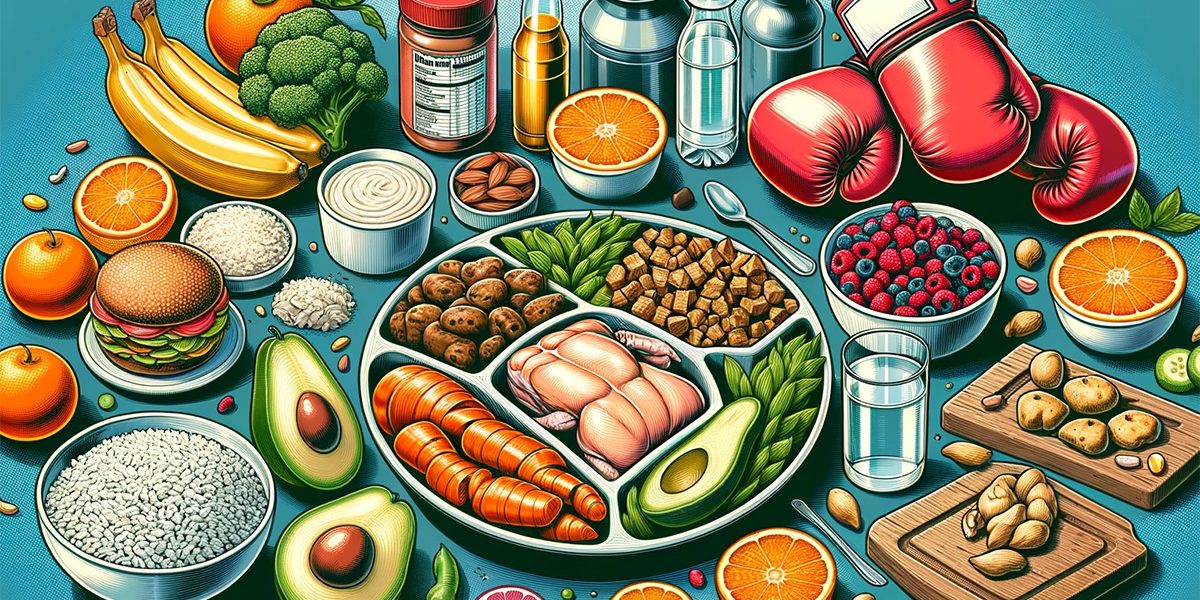
Now, protein is essential. We know that. But your body’s just been through hell—heart pounding, muscles shredded, electrolytes leaking out of you like sweat’s on a mission. What it needs is a full recovery meal: clean carbs, healthy fats, a variety of micronutrients. Without that, you’re basically fueling a fire with a single matchstick.
What I’ve found (after more than a few sluggish, foggy mornings) is that skipping real food post-workout can lead to fatigue, poor adaptation, even bloating—because your gut’s begging for variety, not powder.
So yeah, bring the shake—but make it the warm-up act. Follow it with something real: rice, eggs, avocado, greens, whatever works for you. Otherwise, you’re just sipping convenience while your body waits for what it actually needs.