
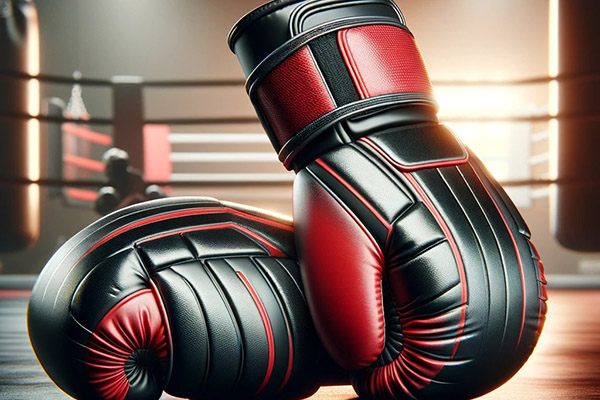

Walk into any American gym right now—small-town boxing clubs, flashy boutique studios, even converted garages—and one thing shows up fast: gloves matter more than most beginners expect. At first glance, they all look similar. Same shape, same colors, same promise printed on the label. But after a few sessions on a heavy bag, differences stop being subtle. Wrists start aching. Knuckles feel it. And suddenly, glove choice isn’t cosmetic anymore.
Kickboxing pushes repetitive impact through small bones in your hands. The wrong gloves don’t just feel bad—they shorten sessions, slow progress, and sometimes force time off entirely. The right pair? Training feels smoother, longer, more controlled. That gap becomes obvious pretty quickly.
This guide breaks down the best kickboxing gloves available in the U.S. market in 2026, plus how to choose a pair that actually fits your training—not just your budget.
Key Takeaways
The best kickboxing gloves combine protection, fit, and durability into one balanced system.
- 16 oz gloves dominate sparring across most U.S. gyms, including regulated states like California and Florida
- 12–14 oz gloves handle bag and pad work efficiently without excess bulk
- Top brands include Hayabusa, Venum, Everlast, Fairtex, and Twins Special, widely used in organizations like UFC and PFL gyms
- Typical price range: $60–$180 USD, depending on materials and construction
- Wrist support and padding density directly impact injury prevention and performance
1. What Makes the Best Kickboxing Gloves?
The best gloves protect knuckles, stabilize wrists, and absorb repeated impact without breaking down.
Here’s where things get interesting. Most gloves advertise “high-density foam” or “premium construction.” In practice, that can mean wildly different things. Some feel pillowy but collapse after 3 months. Others feel stiff at first but hold shape for years.
Core Features to Look For
- Multi-layer foam padding – disperses shock across several layers instead of one hard impact point
- Secure wrist closure – Velcro for convenience, lace-up for tighter lockdown
- Breathable inner lining – reduces sweat buildup (and that unmistakable gym bag smell)
- Durable outer shell – synthetic leather for affordability, genuine leather for longevity
What tends to surprise people is how quickly poor padding shows up. Not day one—but around week three or four. That’s usually when soreness creeps in.
Types of Kickboxing Gloves
Different training styles quietly demand different glove structures:
| Type | Primary Use | Key Trait |
|---|---|---|
| Bag Gloves | Heavy bag work | Dense padding, compact design |
| Training Gloves | Pads + bag | Versatile, balanced |
| Sparring Gloves | Partner drills | Extra padding for safety |
| Muay Thai Gloves | Clinch + striking | Flexible wrist and open palm feel |
Muay Thai gloves, for example, feel looser in the hand. That’s intentional. Clinch work requires grip and mobility, not just impact protection.
2. Best Kickboxing Gloves Overall (Top Picks for 2026)
These gloves deliver the strongest combination of durability, protection, and comfort in the U.S. market.
After testing patterns across gyms and long-term use cases, a few models consistently stand out—not because of hype, but because they hold up after months of abuse.
Hayabusa T3 Boxing Gloves
Best Overall for Wrist Support
- Price: ~$160 USD
- Dual-X closure system locks the wrist in place
- Multi-layer foam absorbs high-impact strikes
- Performs well for both sparring and intense bag work
Here’s the thing—wrist support changes everything. Once experienced, going back feels… off. The T3 system almost over-corrects at first. But during longer sessions, that stability starts to make sense.
Venum Elite Boxing Gloves
Best for Durability
- Price: ~$90 USD
- Skintex leather resists cracking and peeling
- Widely used in MMA gyms across the U.S.
- Strong wrist alignment with consistent padding
These gloves show up everywhere—UFC gyms, local fight camps, even cardio classes. Not because they’re flashy, but because they survive heavy use. Months in, they still feel intact.
Fairtex BGV1 Muay Thai Gloves
Best for Muay Thai & Clinch Work
- Price: ~$120 USD
- Tight, compact fit
- High-density foam for sharp feedback
- Designed for flexibility in clinch positions
Fairtex gloves feel different right away. Less bulky, more responsive. That tighter fit can feel restrictive at first, especially for larger hands—but during pad work, precision improves noticeably.
Everlast Powerlock 2
Best Budget Option
- Price: ~$60 USD
- Accessible through major U.S. retailers like Dick’s Sporting Goods
- Solid entry-level protection
- Ideal for beginners testing consistency
Budget gloves often get dismissed, but that’s not always fair. For someone training 2–3 times per week, these hold up better than expected.
3. Best Kickboxing Gloves for Beginners in the U.S.
Beginner gloves focus on comfort, affordability, and basic protection without overcomplication.
Starting out feels overwhelming—gear choices, class formats, conflicting advice. Gloves don’t need to be perfect at this stage. They just need to work consistently.
What Works Best Early On
- 12–14 oz weight for versatility
- Hook-and-loop (Velcro) closure for convenience
- Synthetic leather construction to keep costs manageable
Reliable Beginner Brands
- Ringside
- Sanabul
- Everlast
Expect to spend $50–$90 USD. That range covers gloves that survive regular use without falling apart immediately.
What tends to happen: the first pair isn’t the last pair. After 2–3 months, preferences shift. Fit starts to matter more. Padding differences become noticeable.
4. How to Choose the Right Size (Ounces Explained)
Kickboxing gloves use ounce-based sizing, which reflects padding weight rather than hand size.
This part confuses almost everyone at first. Bigger number doesn’t mean bigger hand—it means more padding.
Standard Weight Guide
| Weight | Use Case |
|---|---|
| 10–12 oz | Light bag work, speed drills |
| 14 oz | General training |
| 16 oz | Sparring (U.S. gym standard) |
| 18 oz+ | Heavyweight athletes |
Most American gyms enforce 16 oz gloves for sparring. Not optional in many cases—especially in regulated environments tied to organizations like USA Boxing.
And yeah, 16 oz gloves feel bulky at first. Slower punches, more fatigue. That adjustment phase usually lasts about a week.
5. Leather vs Synthetic: Which Is Better?
Genuine leather lasts longer and maintains structure, while synthetic leather reduces cost and supports beginner use.
This debate comes up constantly. And honestly, both sides have a point.
Comparison Breakdown
| Feature | Genuine Leather | Synthetic Leather |
|---|---|---|
| Lifespan | 12–24 months | 6–12 months |
| Cost | $120–$180 USD | $50–$100 USD |
| Feel | Breaks in naturally | Stiffer initially |
| Maintenance | Requires care | Low maintenance |
For athletes training 3–5 times per week, leather becomes worth it. Over time, it molds better to the hand and holds padding shape longer.
Synthetic gloves? Perfectly fine for lighter schedules or beginners figuring things out.
6. Wrist Support & Injury Prevention
Strong wrist support and proper hand wrapping reduce fracture risk and improve striking stability.
Hand injuries show up more often than expected in combat sports. Not always dramatic—sometimes just lingering soreness that refuses to go away.
According to U.S. sports medicine observations, two factors show up repeatedly:
- Poor wrist alignment
- Insufficient padding
Ways to Reduce Injury Risk
- Use 180-inch hand wraps, the U.S. standard
- Choose gloves with reinforced wrist straps
- Replace gloves every 12–18 months, depending on use
Fighters training under structured programs—especially those aligned with USA Boxing—prioritize wrist stability above almost everything else. Power means nothing if joints can’t handle repetition.
7. Where to Buy Kickboxing Gloves in the United States
Trusted U.S. retailers provide consistent access to authentic gloves and competitive pricing.
Reliable Retailers
- Amazon
- Dick’s Sporting Goods
- Academy Sports + Outdoors
- Official brand websites
Seasonal timing matters more than expected. Discounts tend to hit during:
- Black Friday
- Memorial Day
- Fourth of July
Prices can drop 20–40% during those windows. Waiting a few weeks sometimes saves enough to upgrade quality entirely.
8. Common Mistakes to Avoid
Most glove-related issues come from mismatched purpose, poor fit, or overlooked basics.
Patterns show up again and again:
- Choosing gloves too light for sparring
- Ignoring wrist support quality
- Prioritizing style over fit
- Skipping gym-specific requirements
- Training without hand wraps
That last one—skipping wraps—usually feels fine at first. Then discomfort builds slowly. Not dramatic. Just persistent.
9. Final Buying Checklist
A quick checklist ensures the gloves match training needs, budget, and durability expectations.
Before purchasing:
- Confirm ounce weight (12, 14, or 16 oz)
- Match glove type to training style (bag, pads, sparring)
- Evaluate wrist support system
- Set a budget between $60–$180 USD
- Check verified U.S. buyer reviews
Conclusion
Kickboxing gloves seem simple—until training gets consistent. Then the small details start to matter. Padding density, wrist alignment, inner comfort… none of it feels urgent on day one, but all of it shows up by week four.
Most athletes cycle through at least two or three pairs before landing on something that actually fits their rhythm. That’s normal. Preferences evolve with experience.
What remains constant is this: better gloves don’t just protect hands—they extend training time, sharpen technique, and reduce the kind of setbacks that quietly derail progress