
Most people walk into their first cardio boxing class wearing whatever gloves they grabbed off the shelf — usually something too heavy, too stiff, or built for an entirely different purpose. It’s a surprisingly common mistake, and it tends to show up fast: sore wrists by round three, sweaty palms, gloves that won’t stay on during high-rep combinations.
The right pair of gloves changes the experience completely. Not just comfort — alignment, protection, even how long you last in class before your shoulders give out. This guide breaks all of it down, from ounce sizing to materials to the features that actually matter for cardio-based training.
Why Glove Selection Matters More Than Most People Realize
Cardio boxing isn’t sparring. That distinction matters more than it sounds.
Sparring gloves are built for absorbing hits from another person — they’re heavier, more padded, and designed to protect both fighters on impact. Cardio boxing gloves are meant for bag work and mitt drills, where the goal is speed, endurance, and repetitive movement over a 45- to 60-minute class. Using sparring gloves in a cardio class is like running a 5K in hiking boots. Technically possible. Not ideal.
Beginners tend to grab whatever looks “official.” Big padded gloves, the heavier the better, assuming more padding equals more protection. What actually tends to happen is that heavy gloves slow down wrist stabilization, throw off shoulder mechanics over hundreds of reps, and make the class feel twice as hard — in the wrong way.
Wrist alignment is where a lot of unnoticed damage starts. A glove with poor wrist support lets the joint move around on contact, and over dozens of classes, that adds up. Knuckle padding matters too, especially on bag work — thin or unevenly distributed foam means the impact isn’t spreading the way it should.
Studios have their own concerns. Many group fitness gyms now require personal gloves for hygiene reasons, and some won’t let you use loaners without hand wraps underneath. The sweaty shared-glove problem is real. Having your own pair — ideally with an antibacterial lining — just makes the whole experience cleaner.
What Makes a Glove Ideal for Cardio Boxing
The criteria for cardio boxing gloves are different from almost any other training context.
Weight is the first variable most coaches mention. For cardio classes, lighter gloves — typically 10 oz to 12 oz — are the standard. They allow faster combinations, reduce shoulder fatigue, and feel more natural during high-rep drills.
Closure system matters for convenience. Velcro (hook-and-loop) closures are practically universal in fitness boxing because they let you get the gloves on and off quickly, adjust fit mid-class, and skip the lace-up process entirely. It’s a small thing, but when you’re moving between stations in a circuit-style class, it adds up.
Ventilation is underrated. A glove with mesh palm panels or airflow channels keeps the interior from becoming a hot, damp chamber over the course of a class. The difference between a well-ventilated glove and a sealed one becomes obvious around the 30-minute mark.
Foam density is worth paying attention to. Bag-focused gloves use medium-density foam that disperses impact without excessive bulk. Too soft, and you don’t get real knuckle protection on the heavy bag. Too stiff, and the glove feels unresponsive during combinations.
The inner lining is often an afterthought — until it isn’t. A moisture-wicking or quick-dry interior keeps the inside of the glove drier, which slows down odor buildup and extends the glove’s usable life. Worth checking before you buy.
Best Gloves by Skill Level
Beginners
For someone just starting out, the priority is wrist support and basic impact protection, not high-end performance specs. An ergonomic fit with firm wrist straps does more good than premium foam layering at this stage. In practice, a glove in the $30–$60 range from Everlast or Title Boxing handles beginner needs well without overpaying for features that won’t matter yet.
Padding doesn’t need to be extraordinary — it needs to be consistent. Uneven foam is actually a bigger problem for beginners because they’re still developing punch mechanics, and inconsistent padding means unpredictable feedback on impact.
Intermediate
Durability becomes the main concern once someone’s training two or three times per week. Stitching quality and material grade start to matter here — cheaper gloves show wear faster under frequent bag work. Intermediate-level gloves from Venum or Ringside offer better construction without crossing into professional pricing.
This is also the level where wrist alignment support becomes genuinely important. A more structured wrist strap — one that locks the joint into a stable position — helps prevent strain over longer training cycles.
Advanced
At this level, the glove needs to perform across heavy sessions without breaking down. Genuine leather construction holds up better than synthetic under sustained use. Advanced trainees also tend to have strong preferences around wrist strap design, foam layering, and glove shape — so fit testing matters more than brand.
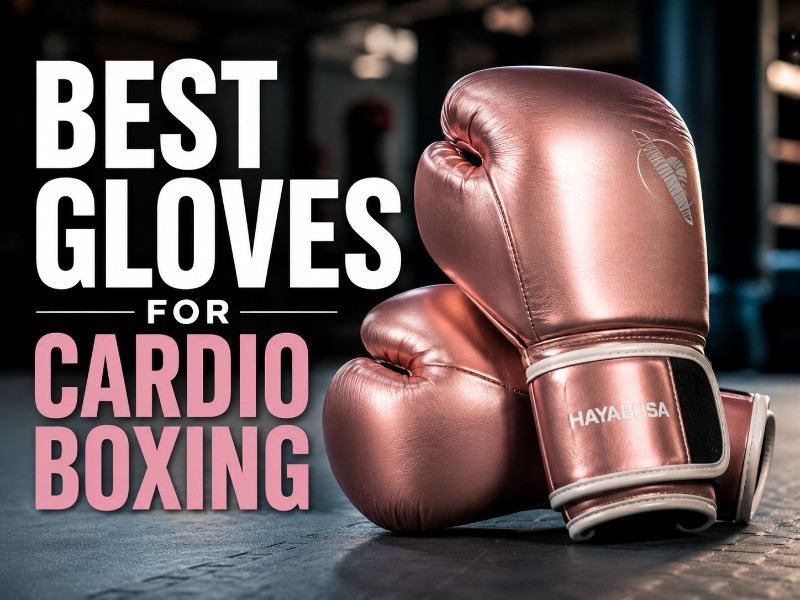
Hayabusa gloves are frequently cited at this tier for a reason: their dual-strap system and multi-layer foam hold up well under heavy-bag volume.
Glove Weight Guide: 10 oz vs 12 oz vs 14 oz
This is where a lot of the confusion lives, so it’s worth being direct about it.
| Weight | Best For | Tradeoffs |
|---|---|---|
| 10 oz | Speed drills, lighter-framed individuals (under ~130 lbs), advanced users | Less padding — not ideal for heavy bag work over long sessions |
| 12 oz | Most cardio boxing classes — the reliable middle ground for 130–180 lbs | Slightly more resistance than 10 oz, which can help build conditioning |
| 14 oz | Heavier-framed individuals (180+ lbs) or anyone wanting extra wrist coverage | More shoulder fatigue in high-rep cardio contexts |
The gender-based sizing advice floating around online is mostly outdated. Body weight and training goal are better guides than gender. A 140-lb woman and a 140-lb man have roughly the same needs when it comes to glove weight.
For pure cardio conditioning — where the goal is endurance and speed over raw power — 12 oz is where most people land. It’s the studio recommendation for a reason.
One thing that often gets missed: heavier gloves increase shoulder fatigue because you’re lifting more weight hundreds of times per session. For someone focused on fitness rather than power development, that extra resistance isn’t always an advantage.
Materials: Leather, Synthetic, or Hybrid
The material question is mostly a durability-versus-cost decision, though sweat resistance plays a role too.
Genuine leather holds its shape longest, breathes reasonably well, and ages gracefully under regular use. The downside is cost — quality leather gloves start around $80–$100 and go up from there. For someone training four or more times per week, the investment usually pays off over 18–24 months of use.
Synthetic leather (PU) is the standard in mid-range gloves, and it’s gotten significantly better in recent years. Abrasion resistance is decent, cleaning is easier, and the price point is accessible. The tradeoff is longevity — synthetic tends to crack and delaminate faster than genuine leather under heavy use.
Hybrid construction — genuine leather outer with synthetic inner panels — is a reasonable compromise for people who want better durability without full leather cost. Several Venum and Ringside models use this approach effectively.
For hygiene, an antibacterial interior lining is worth seeking out regardless of exterior material. Moisture control is the main driver of odor buildup, and a lining that wicks sweat keeps the inside of the glove from becoming a bacteria situation after a few weeks of use.
Top Features to Actually Look For
Not every feature listed on a glove’s product page matters equally. A few that genuinely make a difference in cardio boxing:
Attached thumb design reduces the risk of thumb hyperextension on bag contact. It’s a small feature with a meaningful safety impact, especially for beginners who haven’t fully developed their punching form.
Hook-and-loop wrist strap with adequate width — roughly 2–3 inches — provides real wrist stabilization. Narrow straps look fine but don’t deliver the joint support that wider ones do.
Mesh palm panel keeps the interior ventilated during sustained output. Gloves without any palm ventilation get noticeably hot and damp within 20–25 minutes.
Multi-layer foam with different densities — softer inner layer for knuckle comfort, denser outer layer for impact distribution — performs better than single-foam construction, especially on the heavy bag.
Quick-dry interior lining directly affects how long your gloves stay usable between sessions. Slow-drying interiors breed odor faster and degrade the padding over time.
Top Picks by Category
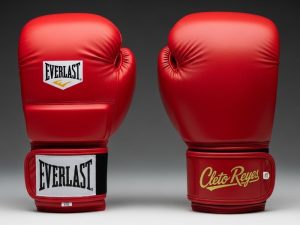
Best budget pick: Everlast Pro Style — reliable wrist support, decent foam, widely available. Around $35–$45. Not flashy, but it does the job for someone starting out.
Best premium option: Hayabusa T3 — dual-strap wrist system, layered foam, genuine leather construction. Around $130–$150. Worth the investment for frequent trainers.
Best for sweaty workouts: Venum Challenger 2.0 — mesh palm ventilation, moisture-wicking lining, holds up well under high-volume use.
Best for women: Title Boxing Pro Style Training — slightly narrower cut, 10 oz and 12 oz options, good wrist alignment for smaller hand sizes.
Best value overall: Ringside Apex Bag Gloves — mid-tier construction at accessible pricing (~$55–$70), solid stitching, comfortable lining.
Common Buying Mistakes
The most common one: buying sparring gloves for a cardio class. They’re heavier, bulkier, and designed for a different kind of impact. The extra padding feels protective but actually works against you in fitness boxing.
Second most common: skipping hand wraps. Wraps support the smaller bones and tendons inside the hand — the glove protects the knuckles, but wraps protect everything underneath. Using gloves without wraps in a regular class, over time, is a reliable way to develop wrist issues.
Sizing by feel alone is another mistake. Many people pull on a pair of gloves, flex their fingers, and decide they fit. The real test is whether the wrist strap sits flush and snug without pinching, and whether the knuckle padding lands correctly on impact — not just how comfortable the glove feels at rest.
Overpaying for pro-grade gloves early is also worth mentioning. Competition-level gloves have specs that don’t translate to cardio class use. They’re heavier, stiffer, and often less comfortable for high-rep fitness work.
How to Make Your Gloves Last
Air drying after every session is the single most important habit. Never seal gloves in a bag right after training — trapped moisture accelerates bacteria growth, padding compression, and odor.
An antibacterial spray applied to the interior after each use keeps bacterial buildup in check. Glove deodorizers — the cedar or activated charcoal inserts — help overnight. Together, these two habits extend a pair of gloves noticeably.
Storage matters more than most people expect. Gloves stored in a hot car or sealed gym locker between sessions degrade faster than gloves that get airflow. Leaving them open in a cool, dry space — even just on a shelf — makes a real difference.
Most cardio boxing gloves last 12–18 months with regular use (3–4 sessions per week). The signs that replacement is due: foam that doesn’t spring back, stitching coming apart at the seams, or wrist straps that won’t hold their position.
Final Thoughts
The right gloves don’t need to be expensive. They need to fit the training context — lightweight, well-ventilated, with solid wrist support and a foam density matched to bag work. For most people in a cardio boxing class, that’s a 12 oz glove in the $50–$130 range, from a brand with decent construction standards.
What tends to happen when people get this right is that class gets noticeably easier — not because they’ve suddenly gotten fitter, but because the equipment is actually doing what it’s supposed to do. Wrists stop aching. Shoulders don’t give out in round four. The gloves come on and off in seconds.
It’s worth getting right from the beginning.