
Walk into almost any boxing gym in America right now and you’ll see the same thing. A row of heavy bags swinging. Group fitness classes packed after work. Somebody wrapping hands for the first sparring session. Somebody else carrying a pair of worn-out Winning gloves that probably cost more than a monthly gym membership.
That contrast says a lot about boxing gear.
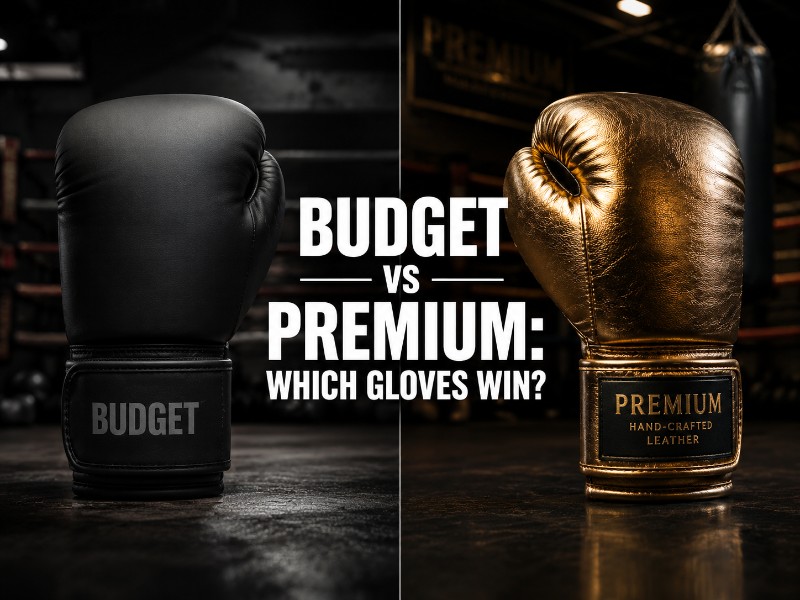
Choosing between budget vs. premium boxing gloves changes more than comfort. It affects wrist stability, punch feedback, durability, and eventually how much money leaves your wallet over time. A $40 pair that falls apart twice a year can quietly become more expensive than a $180 pair that lasts for years.
And honestly, glove quality becomes obvious the second training volume increases. Once heavy bag sessions start stacking up week after week, cheap foam compresses fast. Stitching loosens. Wrist support gets sloppy. Hands notice it before the eyes do.
For casual fitness boxing, affordable gloves usually get the job done. For consistent training, sparring, or amateur competition, premium gloves often become a smarter investment.
What Are Budget Boxing Gloves?
Budget boxing gloves typically cost between $20 and $60 USD. These are the gloves found at Walmart, Dick’s Sporting Goods, Amazon, and beginner-focused brands like Everlast, Sanabul, and Pro Impact.
Most entry-level boxing gloves use:
- PU leather or vinyl construction
- Injection-molded foam padding
- Hook-and-loop closure systems
- Mass-produced manufacturing overseas
In real-life training, budget gloves target convenience more than longevity. They’re designed for cardio boxing, occasional heavy bag sessions, or beginners figuring out whether boxing sticks as a long-term hobby.
That matters because not everybody needs pro-level equipment.
A person attending Rumble Boxing once a week doesn’t place the same stress on gloves as somebody training five days a week for Golden Gloves qualifiers.
Here’s what tends to happen with affordable boxing gloves after several months:
- Outer synthetic material starts cracking
- Inner lining traps sweat and odor
- Velcro weakens
- Foam loses density
Still, some cheap boxing gloves perform surprisingly well for light training. Sanabul, for example, built a strong reputation in entry-level training gear because the value-to-price ratio makes sense for beginners.
For many people, boxing gloves under $50 are completely adequate. At least early on.
What Are Premium Boxing Gloves?
Premium boxing gloves live in a very different category. Prices usually range from $120 to $300+ USD, especially for brands like Winning, Cleto Reyes, Grant, and Hayabusa.
These gloves focus on craftsmanship first.
Most high-end boxing gloves feature:
- Full-grain leather construction
- Multi-layer foam padding
- Reinforced stitching
- Advanced wrist support systems
- Handmade or small-batch production
And yes, the difference feels immediate.
Premium leather boxing gloves mold to your hands over time much like high-end leather boots break in around your feet. At first, they feel stiff. Then suddenly they fit perfectly. That break-in period becomes part of the appeal.
Cleto Reyes gloves, famously used by fighters connected to Floyd Mayweather Jr., lean toward punch feedback and compact design. Winning gloves prioritize protection and shock absorption. Grant gloves sit somewhere between performance and luxury branding.
That’s why professional boxing gloves often become long-term gear rather than disposable equipment.
The higher price tag isn’t only branding. Materials genuinely cost more.
Materials and Construction: Synthetic vs. Genuine Leather
This is where the biggest separation happens.
Synthetic boxing gloves look good out of the box. Genuine leather boxing gloves usually age better.
Synthetic Gloves
Budget gloves commonly use PU leather or vinyl. These materials keep manufacturing costs low and help brands hit affordable price points.
Advantages include:
- Lower upfront cost
- Easy cleaning
- Lightweight feel
But the downside shows up with sweat and repeated impact. Synthetic materials hold moisture longer, which affects odor control and inner lining durability.
After enough heavy bag sessions, cracking becomes common.
Genuine Leather Gloves
Full-grain leather behaves differently. It breathes better, flexes naturally, and gradually molds around hand shape.
That changes:
- Comfort
- Hand alignment
- Impact absorption
- Durability cycle
Sports medicine specialists often point toward proper foam density and wrist positioning as key factors in reducing repetitive strain injuries. Premium gloves generally perform better in both categories.
Now, here’s the interesting part. Premium gloves don’t always feel softer. Some actually feel firmer because the foam structure is denser and more protective.
That distinction matters during long sparring rounds.
Protection and Injury Prevention
Your hands contain 27 bones. Boxing asks those bones to absorb repeated force at high speed. Cheap gloves can handle occasional impact. Consistent training becomes a different conversation.
Better gloves improve:
- Knuckle padding
- Wrist stabilization
- Shock dispersion
- Compression support
Poor wrist alignment increases the risk of ligament strain and boxer’s fracture injuries. The American Academy of Orthopaedic Surgeons has repeatedly emphasized hand protection in combat sports because repetitive trauma adds up over time.
During sparring, glove quality matters even more.
Lower-density foam compresses faster. Once padding breaks down, punches land harder for both partners. That creates unnecessary wear on wrists, elbows, and shoulders.
Winning gloves became legendary in boxing gyms for one reason: protection. Fighters regularly describe them as “pillows with structure.” The foam absorbs impact exceptionally well during high-volume sparring.
Heavy bag training tells the truth quickly. Bad gloves feel harsh after three rounds. Good gloves still feel stable after ten.
Performance Differences: Training, Sparring, and Competition
Different gloves create different training experiences.
A 12 oz glove feels faster. A 16 oz sparring glove provides more protection. Competition boxing gloves prioritize power transfer and punch accuracy.
That changes everything from hand speed to fatigue.
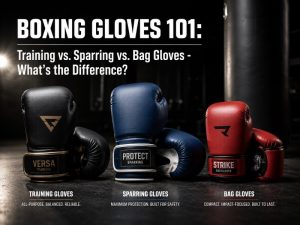
Bag Gloves
Best for:
- Heavy bag sessions
- Mitt work
- Conditioning drills
Bag gloves usually feature denser padding and smaller profiles for sharper punch feedback.
Sparring Gloves
Best for:
- Partner drills
- Controlled sparring
- High-volume rounds
Most gyms prefer 16 oz sparring gloves because they reduce impact force.
Fight Gloves
Professional fight gloves prioritize:
- Speed
- Compact shape
- Punch transfer
Grant and Cleto Reyes fight gloves became famous partly because elite fighters like Mike Tyson favored explosive punch feel.
USA Boxing and Golden Gloves competitions also regulate glove weights and approved equipment standards. Cheap entry-level gloves sometimes fail to meet those expectations.
Cost Analysis: Short-Term Savings vs. Long-Term Value
This is where the math gets interesting.
A $40 pair replaced every 6 months costs roughly:
- $80 per year
- $240 over 3 years
A $180 premium glove lasting 3 years suddenly looks far more reasonable.
And premium gloves often retain resale value if maintained properly.
Here’s a simple breakdown:
| Glove Type | Average Cost | Lifespan | Cost Per Year |
|---|---|---|---|
| Budget Gloves | $40 | 6 months | $80 |
| Mid-Range Gloves | $90 | 1–2 years | $45–$90 |
| Premium Gloves | $180 | 3–5 years | $36–$60 |
Black Friday sales on Amazon, Everlast, and Hayabusa products can lower those numbers significantly. Warranty coverage also tends to improve at higher price points.
In practice, regular boxers usually notice the financial advantage of premium gloves around year two.
Who Should Buy Budget Gloves?
Budget boxing gloves make sense for:
- Fitness boxing participants
- Casual gym users
- Home punching bag workouts
- Kids and teens
- First-time buyers
If training volume stays low, expensive gloves often become unnecessary.
Title Boxing Club members attending two cardio sessions weekly probably won’t destroy affordable gloves quickly. The same goes for occasional home workouts.
For beginners, comfort and consistency matter more than elite craftsmanship anyway. Most people quit boxing long before glove quality becomes a serious issue.
Affordable sparring gloves also remove pressure from beginners still experimenting with the sport.
Who Should Invest in Premium Gloves?
Premium gloves fit people who train consistently.
That includes:
- Amateur competitors
- Daily gym members
- Serious sparring partners
- Long-term boxing athletes
Frequent training exposes flaws in cheap gear fast. Wrist fatigue becomes more noticeable. Padding breakdown becomes obvious. Hand conditioning becomes harder without proper support.
Competitive boxing camps almost always lean toward brands like Winning, Cleto Reyes, and Grant because durability and injury prevention matter more than upfront cost.
If training happens two or more times weekly, premium gloves usually become worth the investment.
Especially for sparring.
Final Takeaway: Is It Worth the Investment?
For casual boxing workouts, budget gloves work perfectly fine. They’re affordable, accessible, and good enough for light training.
But consistent boxing changes the equation.
Premium boxing gloves protect hands better, maintain structure longer, and hold up through years of heavy use. Over time, the cost-per-session often becomes lower than repeatedly replacing cheap gloves.
And honestly, your hands notice the difference before anything else does.
Good gloves don’t magically improve punching power. They improve longevity. They keep wrists stable during hard bag rounds. They help training stay consistent instead of painful.
Your hands are tools. Protect them accordingly.