
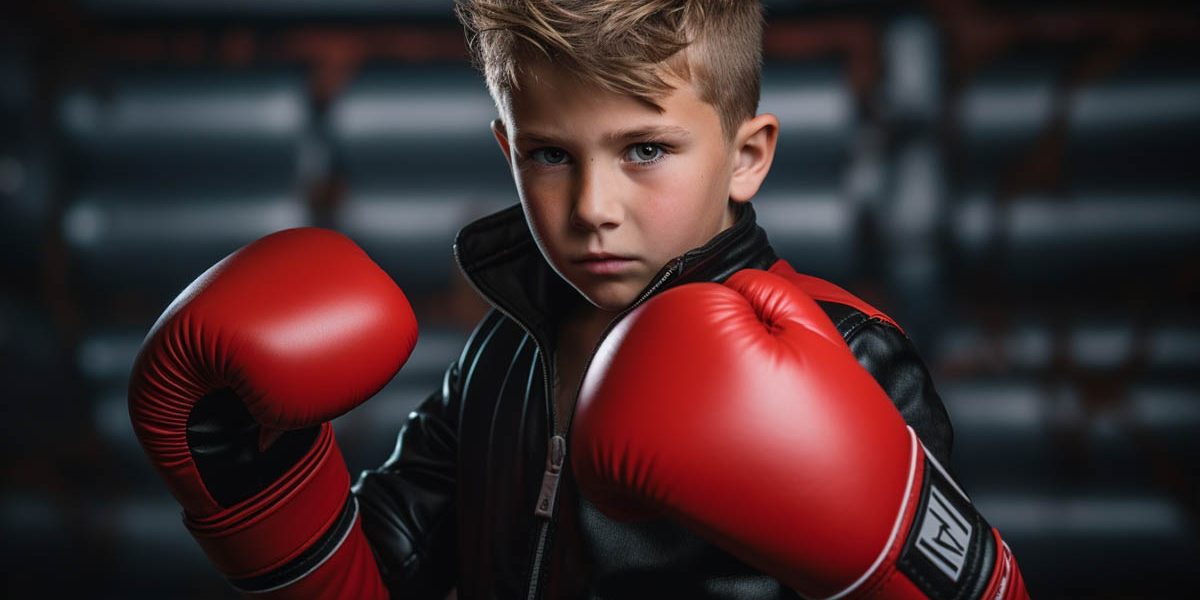
Getting Started With The Kids Boxing Gloves
You ever walk into a gym and see a 9-year-old throwing straighter jabs than a grown man? Yeah—welcome to the new era of youth boxing. It’s not just some trend bubbling up on YouTube shorts or TikTok; it’s real, it’s growing, and it’s changing the way kids approach fitness, confidence, and discipline.
Now, I’ve been around boxing gyms long enough to tell you—there’s a certain look parents give when their kid puts on gloves for the first time. It’s a mix of pride, nerves, and that silent “please don’t break anything” energy. Totally get it. That’s why choosing the right boxing gloves for kids isn’t just a gear decision—it’s a safety one. Hand protection? Critical. Wrist support? Non-negotiable. But glove sizing? Man, that’s where most people mess up.
What I’ve found over the years is this: when the gear fits right, kids focus on skills—not sore knuckles or floppy wrists. And if you’re just now stepping into the world of children’s boxing starter gear, you’ll want to get a handle on the basics before tossing just any pair of gloves in the cart.
So let’s break it down—from glove sizing and starter gear to safety must-haves and real beginner tips. You’re about to get the guide I wish more parents had before their kid stepped in the ring.
Why Boxing for Kids Is Booming in the U.S.
You know what’s wild? A decade ago, you’d rarely hear a parent say, “Yeah, my kid’s into boxing.” Now? It’s everywhere—from community rec centers to after-school programs to full-blown youth training gyms packed with kids under 12 shadowboxing in matching gloves. And it’s not just a niche thing anymore—USA Boxing reported a steady rise in youth memberships over the past five years, and from what I’ve seen in the gym… yeah, that tracks.
So what’s fueling it? Honestly, it’s a mix of things. On one side, you’ve got parents searching for better ways to fight childhood obesity without boring their kids to death. Traditional sports aren’t cutting it for every kid—and boxing, with its fast pace and no-bench-sitting vibe, hooks them early. Plus, celebrity boxing (like it or not) and YouTubers stepping into the ring have made combat sports feel… accessible. Kids don’t just want to watch boxing anymore—they want to train like their favorite influencers.
And here’s what I’ve found personally: when a school or rec program introduces even a basic boxing curriculum, youth engagement shoots up. There’s something about the gloves, the pads, the rhythm—it just clicks for certain kids. Especially the ones who struggle with team dynamics or traditional sports structure.
Bottom line? Kids combat fitness isn’t a passing trend—it’s becoming a real player in the youth sports world. And if you’re noticing it in your community, you’re not imagining things. This wave is only getting stronger.

The Role of Boxing Gloves in Youth Safety
Here’s the thing—your kid’s gloves are doing way more than just looking cool in the gym. I’ve seen it firsthand: the difference between a good pair of youth boxing gloves and a cheap, poorly padded knockoff can be the difference between a confident round and a sore wrist that sidelines them for weeks. And when you’re talking about developing hands—smaller bones, softer joints—it’s not something you want to roll the dice on.
Proper padding and glove density matter. Big time. Most kids don’t generate enough force to hurt an opponent—but they absolutely can hurt themselves without the right gear. The American Academy of Pediatrics has even emphasized this in their sports medicine guidance: protection for the hands, wrists, and knuckles is critical during early stages of training. That means gloves that stabilize the wrist, distribute knuckle impact, and don’t let their hand bounce around inside like a ping pong ball.
What I’ve found over the years is this—when the fit is right and the padding is solid, injuries go way down. You get fewer hyperextended wrists, fewer bruised knuckles, and almost zero of those annoying mid-session complaints like “my hands hurt.”
So yeah—kids boxing gloves safety isn’t just about brand or looks. It’s about injury prevention, joint protection, and letting your kid train without fear. That’s how confidence builds.
Choosing the Right Size: Kids Boxing Gloves Sizing Chart
If there’s one mistake I see parents make all the time—it’s grabbing gloves that “look about right” off the rack. I get it. Gloves aren’t like jeans, there’s no standard size tag like S/M/L to go by. But trust me, picking the wrong ounce size can wreck your kid’s form, make their punches sloppy, or worse—mess up their wrists.
So here’s a quick breakdown that actually works:
| Child’s Age | Weight Range | Glove Size (oz) |
|---|---|---|
| 4–6 years | Under 60 lbs (27 kg) | 4 oz |
| 6–8 years | 60–80 lbs (27–36 kg) | 6 oz |
| 9–12 years | 80–100 lbs (36–45 kg) | 8 oz |
| 12+ (pre-teens) | 100–120+ lbs (45+ kg) | 10 oz |
Now, what I’ve found is fit trumps everything. A glove that’s too loose? Your kid’s hand shifts around inside, and suddenly their knuckle impact isn’t landing right. Too tight? You’ll hear about it ten minutes into training—“It’s cutting off my fingers!”
Velcro closures and adjustable straps are your best friend here. They give you that little bit of wiggle room for growth without sacrificing wrist stabilization. Personally, I always leave just enough space for light wraps. If you skip wraps at this age, make sure the glove hugs the hand, not swallows it.
So yeah, if you want your kid to hit safely and confidently—don’t wing the sizing. Let the chart guide you, but always check the actual fit. Gloves should feel snug, secure, and give just enough room to grow into without being sloppy.
Features to Look for in Beginner Boxing Gloves for Kids
If you’re shopping for your kid’s first pair of gloves, don’t just grab the cheapest pair off Amazon and call it a day—I’ve seen way too many busted seams and sweaty, smelly disasters from those budget bins. What your kid really needs is gear that’s designed for comfort, durability, and easy training. And I mean real training—not just looking tough for pictures.
First off, let’s talk closures. Velcro straps beat lace-ups every single time for beginners. Why? Because your kid (and you) won’t have the patience to lace up gloves before every round. A good Velcro wrist wrap gives solid support and lets you adjust the fit on the fly—huge win for growing hands.
Material-wise, synthetic leather is usually the sweet spot. It’s tough enough to take a beating (trust me, kids will throw gloves around like dodgeballs), but a lot easier to clean and care for than real leather. Look for gloves with multi-layer EVA foam padding—the cheap single-layer stuff just doesn’t absorb impact well.
And here’s something I wish more parents checked: ventilation. A decent inner lining with some airflow means way less stank and irritation after long sessions. I’ve also found gloves with a built-in grip bar help beginners form a proper fist without overthinking it.
Top U.S. Boxing Glove Brands for Kids
When you’re picking out boxing gloves for your kid, you want something that’ll hold up, fit right, and—let’s be honest—survive the gym bag abuse. Over the years, I’ve tested and seen dozens of brands on little hands, and a few U.S. favorites consistently rise to the top. Below’s a quick breakdown based on what I’ve personally seen in real gym use—not just flashy packaging.
| Brand | Why It Stands Out | Where to Buy |
|---|---|---|
| Everlast | Widely available, affordable, solid starter gear. Padding’s decent. Great for light training. | Amazon / Dick’s |
| Title | Excellent wrist support and youth-specific designs. Their Velcro straps are snug and secure. | TitleBoxing.com |
| Ringside | Known for durability. Good ventilation and EVA foam layers that hold shape after impact. | Amazon / Ringside |
| Sanabul | More modern design. Breathable and lightweight. My pick for hot-weather gyms or longer sessions. | Amazon / Sanabul |
| Hayabusa | Premium feel. Best grip bar and inner lining I’ve felt in youth gloves. Pricey, but built to last. | HayabusaFight.com |
When and Where to Start Training in the U.S.
If you’re wondering when your kid can start boxing without it being “too early,” you’re not alone—I’ve had that question from dozens of parents over the years. In my experience, 6 to 8 years old is a great age to begin light, skill-based boxing. No sparring, no contact—just footwork, pad drills, and confidence-building basics. And honestly? Some of the sharpest little boxers I’ve trained started before they could even tie their shoes properly.
Now, as for where to start—local YMCAs, community centers, and smaller American boxing gyms are your best bet. Look for gyms that actually advertise youth boxing programs (not just “fitness for all ages”) and have certified youth coaches—big difference. You want trainers who understand kids, not just boxing.
Summer is prime time to get started—tons of gyms run seasonal beginner classes or after-school programs with flexible schedules. Some even offer family discounts, which is a bonus if you’ve got more than one kid itching to try gloves on.
What I’ve found? The right coach, the right class schedule, and a child-friendly gym atmosphere make all the difference. Don’t just drop your kid into a hardcore adult gym—you want a space where they feel like they belong.
Accessories and Gear Kids Need Beyond Gloves
Alright, so you’ve got the gloves—great start. But if your kid’s serious about boxing (or even just testing the waters), you’re gonna need more than just padded fists. What I’ve learned from years of cornering youth classes is this: the right accessories aren’t just “extras”—they’re what keep the training safe, fun, and frustration-free.
Let’s start with hand wraps—they’re $10–$15 and an absolute must. Think of them as internal armor, giving your kid’s wrists and knuckles the structure gloves alone can’t. Next? Mouthguard. Even if your gym isn’t doing contact yet, a $15 boil-and-bite is cheap peace of mind. Now, headgear—expect to spend $30–$60 for solid impact protection if sparring’s on the horizon.
Other essentials? Jump ropes ($10–$20) build footwork and endurance (plus, kids love the rhythm once they get it down). Focus mitts or punching pads ($25–$40) are great if you’re training with them at home—and they’ll love hitting something that’s not a bag.
Honestly, starter kits can save you some stress. Some brands bundle gear into youth boxing gear sets under $100, which covers most of this in one go. But if your kid is picky (or you’re planning to train with them), building your own setup might give you better value long term.
Tips for Parents: Encouraging, Supporting & Monitoring Your Young Boxer
Here’s the thing—supporting a young boxer isn’t just about driving them to the gym and paying for gloves. I’ve worked with plenty of kids whose biggest edge wasn’t talent—it was a parent who knew how to encourage without smothering. In my experience, that’s what keeps kids in the sport long enough to actually grow.
- Use positive reinforcement, not pressure. Celebrate effort, not just wins. A fist bump after a tough drill does more for confidence than a lecture about technique.
- Track progress beyond trophies. Jot down improvements in footwork, discipline, or even school focus. You’ll see growth your kid might miss in the day-to-day grind.
- Create an emotional safety net. Fear, nerves, or burnout happen. Let them talk about it without judgment—sometimes they just need to unload after a rough spar.
- Encourage sportsmanship. Remind them boxing’s not just about punching; it’s about respect, resilience, and consistency.
What I’ve found is this: when you give your kid space to breathe, praise the small wins, and stay involved without micromanaging, their confidence skyrockets—and the boxing takes care of itself.