
If you’ve ever peeled off your gloves after a hard session and immediately regretted the decision — that wave of heat and smell hitting you at once — you already know this topic matters. The inner lining is the part of your boxing gloves that nobody talks about until it becomes a problem. And by then, it’s usually a big one.
Boxing has exploded as a fitness category in the US over the past decade. USA Boxing membership has grown steadily, and boutique boxing gyms like Title Boxing locations now exist in nearly every major city. That means more people are training harder, sweating more, and — let’s be honest — not always cleaning their gear as well as they should. The lining inside your glove is ground zero for all of that.
This guide breaks down what glove linings are actually made of, how different materials perform under real training conditions, and what you should look for when buying or maintaining your gloves in the US market.
What Is the Inner Lining in Boxing Gloves?
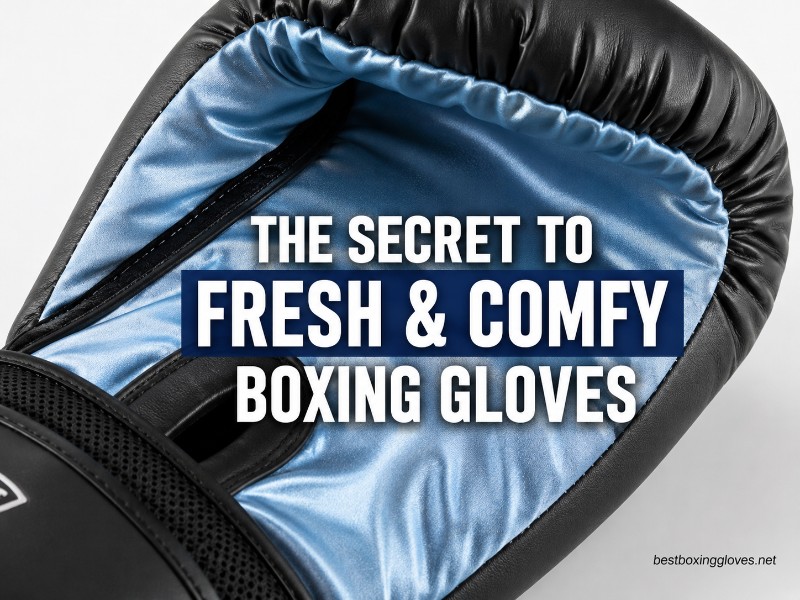
Think of a boxing glove as a three-layer system. You’ve got the outer shell — usually synthetic leather or genuine leather — then the foam padding that absorbs impact, and finally the inner lining that your hand actually touches. That last layer is the one doing the quiet, unglamorous work of managing heat, sweat, and friction every single round.
The lining structure isn’t just fabric thrown in to fill space. It’s stitched to sit against your skin (or your hand wrap) for extended periods under high exertion. A good lining reduces friction so you don’t develop hot spots. A poor one turns into a damp, rough surface that irritates skin and breeds bacteria within weeks.
Most people focus on outer leather quality or padding density when shopping. But if you’re training more than two days a week, the glove interior design will affect your comfort and hygiene far more than the shell material ever will.
Common Inner Lining Materials Used Today
The US boxing glove market — from big-box brands like Everlast to high-end options like Hayabusa — primarily uses four types of inner lining materials. Each has real trade-offs.
Nylon is the most common because it’s cheap to manufacture and reasonably durable. It’s not particularly breathable, but it dries relatively fast after training. Friction can be an issue with nylon linings, especially without hand wraps.
Polyester is similar to nylon but tends to hold moisture a little longer. You’ll find polyester linings in a lot of mid-range gloves. The fiber density is usually higher, which adds softness, but breathability stays average.
Satin linings feel great in the store. Smooth, slick, almost luxurious. The problem is that satin offers almost no moisture absorption — sweat just sits on the surface. For casual training a few times a month, it’s fine. For anyone training hard multiple days a week, satin glove lining tends to get wet and stay wet.
Bamboo fiber and antimicrobial fabrics are the newer entrants. Bamboo is naturally moisture-wicking and has mild antimicrobial properties without any chemical treatment. Purpose-built antimicrobial fabrics use silver-ion technology or similar treatments to inhibit bacterial growth at the fiber level. These materials cost more to produce, which is why you usually only find them in premium gloves.
Comfort Factors: What Makes a Lining Feel Good
Comfort inside a glove is surprisingly layered. It’s not just about softness.
Heat is the first issue. Your fist generates a lot of warmth inside a closed glove, especially after the first five minutes. A lining that traps heat will make your hands feel swollen and fatigued faster than they should. Thermoregulation matters here — materials with better airflow help keep that heat moving outward rather than building up.
Smoothness is the second factor. Rough or loosely-stitched linings create micro-friction points against your knuckles and between your fingers. Over a long session, that adds up to skin irritation that has nothing to do with how hard you’re punching.
Moisture feel is the third, and it’s the most underrated. There’s a difference between a lining that wicks moisture away from your skin and one that just holds it. A moisture-wicking lining pulls sweat into the fabric and allows it to start evaporating. A non-wicking lining leaves your hand sitting in a pool of warm sweat. For most people, that “wet glove” sensation is what kills comfort faster than anything else.
Hygiene and Sweat Management in Boxing Gloves
This section is worth taking seriously, especially if you train at a shared gym.
The warm, dark interior of a boxing glove is essentially ideal for bacterial and fungal growth. According to the CDC, many common gym infections — including staph, athlete’s foot, and ringworm — spread through shared equipment and damp surfaces. Your gloves, if not properly maintained, become a reservoir for exactly this kind of contamination.
Odor buildup is the obvious symptom. But what’s actually happening underneath that smell is a colony of bacteria feeding on the organic material in your sweat. Odor control isn’t just about freshness — it’s a hygiene indicator. When gloves start smelling even after a short training session, it usually means bacterial growth has gotten established in the lining.
The material of your glove lining affects how quickly this happens. Satin and standard polyester linings hold moisture longer, which accelerates bacterial growth. Bamboo and silver-ion treated fabrics slow that process down significantly. For anyone training four-plus days a week, this difference isn’t minor — it’s the gap between gloves that last two years and gloves that need replacing in eight months.
Antimicrobial and Moisture-Wicking Technologies
Modern performance fabric technology has changed what’s possible in boxing glove linings, even if most brands are slow to adopt it.
Silver-ion treatment is the most proven approach. Silver ions disrupt bacterial cell membranes at the microscopic level, preventing reproduction without affecting the fabric’s feel or durability. You’ll find this technology in some Hayabusa gloves and a handful of other premium options. It’s the same general principle used in performance athletic wear from brands like Under Armour and Nike.
Moisture-wicking technology works through capillary action — the fabric’s fiber structure is engineered to pull moisture away from the skin surface and spread it across a larger area for faster evaporation. This isn’t the same as absorbency. A highly absorbent lining will feel dry initially but get saturated. A moisture-wicking lining manages the flow of sweat continuously, keeping your hand drier over the duration of a session.
Quick-dry linings are a related category — less about wicking during use, more about how fast the glove returns to a dry state after training. If you’re training twice a day or on back-to-back days, this matters a lot. Gloves that stay damp between sessions accelerate degradation and odor buildup regardless of how well you care for them.
Budget vs. Premium Glove Linings: What You Actually Get for the Money
Here’s a comparison of what you’re realistically dealing with at different price points in the US market.
| Price Range | Typical Brands | Lining Material | Moisture Management | Expected Lifespan |
|---|---|---|---|---|
| Under $40 | Everlast (basic), generic | Standard nylon or polyester | Low — absorbs and holds | 6-12 months with regular use |
| $40-$100 | Ringside, Title Boxing | Improved polyester, some satin | Moderate | 12-18 months |
| $100-$200 | Hayabusa, RDX | Moisture-wicking fabrics, some antimicrobial | Good | 2-3 years |
| $200+ | Winning, Cleto Reyes | Premium horsehair + quality fabric | Varies (focus is on feel/construction) | 3-5+ years |
My honest take on this table: the $100-$200 range is where lining technology makes the biggest practical difference. Below that, you’re mostly getting standard synthetic fabrics with limited moisture management. Above $200 — especially with brands like Winning and Cleto Reyes — you’re paying primarily for construction quality and feel, and their lining materials aren’t always more advanced than mid-range options.
For most American gym-goers training three to five days a week, a $100-$150 glove with a proper moisture-wicking antimicrobial lining will outlast and outperform a $200 glove with a basic interior. Material science in the lining matters more than price tier alone.
How to Maintain Hygiene Based on Lining Type
Care routines need to match the material you’re working with.
For nylon and polyester linings, the priority is drying speed. These materials don’t do much to manage moisture on their own, so what happens after training is critical. Open your gloves immediately after a session and let them air dry in a ventilated space. Leaving them in a gym bag for hours is how odor becomes permanent.
For satin linings, the same applies but more urgently. Satin holds moisture longer than nylon or polyester, so you’re working against the clock. A glove deodorizer insert placed inside immediately after training makes a real difference. Cedar-based inserts absorb moisture and naturally inhibit bacterial growth.
For antimicrobial linings, the good news is that the fabric does some of the work for you. That said, silver-ion treatments can degrade over time with heavy detergent use. For gloves with treated linings, a light wipe-down with a diluted sports gear spray (alcohol-free) works better than soaking or machine washing.
UV sanitizer bags have become more accessible and actually work well for all lining types — UV light kills bacteria and fungi without introducing moisture or chemicals. If you’re serious about gear longevity, this is worth the $30-$50 investment.
Disinfecting spray used regularly between deep cleans is the minimum standard, really. The CDC notes that most gym equipment bacteria can be neutralized with standard disinfectants — the issue is consistency, not product strength.
Best Inner Lining Materials for Different Use Cases
Different training contexts put different demands on your gloves.
Heavy bag training at home: You’re sweating hard but not sharing gear. Moisture-wicking matters more than antimicrobial properties here. Bamboo or polyester moisture-wicking linings work well, and since you control the environment, drying and maintenance is straightforward.
Cardio boxing / fitness boxing classes: High-volume sweat, often in hot studios. Antimicrobial lining is more important here because you’re likely using the same gloves in a high-humidity shared space. Silver-ion treated fabrics or bamboo fiber linings are genuinely worth the upgrade.
Sparring: Durability and feel take priority, but hygiene stays important since you’re in close contact with partners. USA Boxing-approved gloves for competition often use mid-range lining materials. The training-frequency argument for antimicrobial linings applies strongly here.
Beginners: An entry-level nylon-lined glove is fine to start. Just be aggressive about drying and deodorizing habits from day one — it’s easier to form good habits early than to fight established odor later.
Key Buying Tips for US Consumers
When shopping for boxing gloves in the US — whether through Amazon, Dick’s Sporting Goods, or a specialty retailer like Title Boxing’s online store — a few things are easy to overlook.
Check the product description for actual lining material, not just outer shell specs. Most listings highlight the synthetic leather exterior but bury or omit lining details. If it’s not listed, assume it’s standard polyester.
Read verified reviews specifically mentioning durability and odor — not just initial feel. A glove that feels great in week one and stinks by week six tells you something real about the lining material and construction. User ratings on Amazon for boxing gear tend to be fairly honest about this.
Check the return policy before buying online, especially for mid-range and premium gloves. Fit and feel aren’t always obvious from specs, and sizing guides vary significantly by brand.
Warranty coverage is worth noting. Hayabusa offers solid warranties on their products, which signals confidence in material quality. Generic brands rarely offer meaningful coverage.
Final Thoughts
The inner lining of your boxing gloves is one of those features that only gets attention when it fails. But if you train consistently, the right lining material is the difference between gear that performs and gear that becomes a hygiene problem.
For most US athletes and fitness boxers, the sweet spot is a mid-range glove with a moisture-wicking or antimicrobial lining, maintained with consistent air-drying habits and occasional UV or spray sanitizing. You don’t need to spend $250 to get a quality glove interior — but you do need to look beyond the outer shell when making your choice.
Good gear, properly maintained, tends to take care of you back