
Walk into almost any boxing gym in America and the pattern becomes obvious fast. The cardio class near the front desk is packed with Velcro gloves. The sparring ring in the back? Mostly lace-ups hanging from shoulders, already half-unwrapped and sweat-darkened from rounds.
That difference isn’t random.
Your glove choice changes how your hands feel after training, how stable your wrists stay during impact, and honestly, how convenient boxing becomes in daily life. A fighter rushing into a 6 a.m. class before work usually values speed. A competitive amateur getting ready for a USA Boxing tournament tends to care more about structure and wrist alignment.
And after enough rounds, those priorities start to matter a lot more than branding or colorways.
Lace-up gloves and Velcro gloves both work. But they work differently. The better option depends on how you train, how often you spar, and what kind of boxer you’re becoming.
What Are Lace-Up and Velcro Gloves?
Lace-Up Gloves
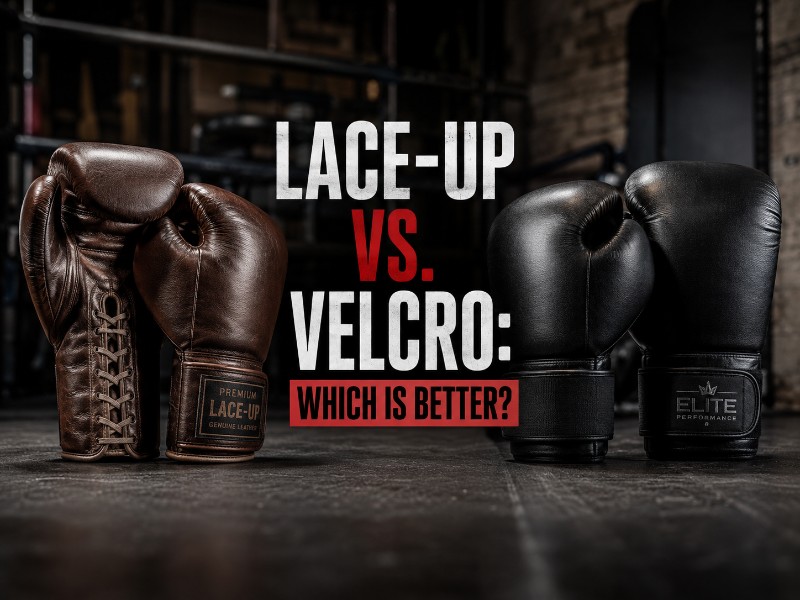
Lace-up gloves use a traditional lacing system that tightens across the wrist and lower forearm. The fit feels compact and uniform, almost like the glove becomes part of your hand once it’s tied correctly.
That detail matters more than many beginners expect.
In real gym settings, lace-up gloves usually appear in serious sparring sessions, amateur competition camps, and professional boxing environments. Athletic commissions across the United States regularly require approved lace-up gloves for sanctioned bouts because they provide stronger wrist containment and a more secure fit.
Brands like Winning USA, Cleto Reyes USA, Grant Worldwide, Everlast Pro, and Ringside dominate this category for a reason. Those gloves are designed around impact control, hand positioning, and durability under hard rounds.
The feeling is different immediately. Less shifting. Less internal movement. More compression around the wrist and knuckles.
Almost like wearing a custom-fitted brace with padding attached.
Velcro Gloves
Velcro gloves use a hook-and-loop strap system. They open quickly, tighten quickly, and come off in seconds between rounds.
That convenience changed modern boxing culture in the United States.
Fitness boxing exploded over the last decade. Franchise gyms, home heavy bags, and hybrid conditioning classes all needed equipment that people could manage alone. Velcro gloves became the default because nobody wants to wait around asking another person to tighten laces before every workout.
Brands such as Everlast, Title Boxing, Hayabusa USA, Venum USA, and Ringside built entire product lines around that lifestyle.
And honestly, for most recreational training, Velcro gloves make daily boxing easier.
Especially after a long workday when motivation already feels thin.
Fit and Wrist Support: Which Feels More Secure?
This is where the conversation gets serious.
Lace-up gloves generally provide better wrist alignment and structural support. The laces distribute pressure evenly across the entire closure system instead of concentrating tension into one strap.
During hard sparring, that difference becomes obvious.
A clean right hand on the heavy bag creates force that travels through the wrist, across the metacarpals, and into the forearm. If the glove shifts even slightly, the wrist absorbs stress at awkward angles. Over time, that’s where small injuries start piling up. Nothing dramatic at first. Just soreness. Tightness. Strange tenderness near the carpal bones after training.
Then one bad punch lands wrong.
Lace-up gloves reduce that internal movement. They stabilize the wrist better, especially during repeated impact.
Now, here’s the interesting part.
Modern Velcro gloves have improved a lot. High-end models from Hayabusa or Rival can feel surprisingly secure. Some use dual-strap systems or angled wrist wraps that mimic lace-up compression fairly well.
But after long sessions, Velcro closures usually loosen at least a little. Sweat affects grip. Repeated flexing weakens tension. That’s just reality with hook-and-loop systems.
In competitive boxing gyms across Las Vegas, New York, Philadelphia, and Los Angeles, lace-ups still dominate sparring for exactly that reason.
The difference isn’t marketing hype. It’s structural stability.
Daily Convenience Changes Everything
Velcro gloves win this category easily.
No debate there.
You can slide them on alone, tighten the strap, and start training immediately. During circuits or heavy bag intervals, removing gloves between rounds takes seconds. That matters more than people admit.
Because boxing isn’t practiced inside perfect conditions.
Most American fighters balance training with work schedules, commuting, parenting, school, or exhaustion from twelve-hour shifts. Convenience becomes part of consistency. And consistency shapes improvement more than expensive gear ever will.
A person training three nights a week after office hours usually wants less friction in the process. Velcro gloves support that lifestyle naturally.
Lace-up gloves are slower.
Without lace converters, another person typically needs to tighten them properly. Coaches help. Teammates help. Sometimes fighters awkwardly bite the laces and attempt DIY solutions that never really work.
Traditional boxing gyms accept that routine because sparring culture is built around preparation anyway. Hand wraps. Mouthguards. Coaching adjustments. Ring checks. Lace-ups fit into that environment naturally.
But for solo training?
Velcro feels dramatically more practical.
Especially inside home gyms where nobody else is around.
Cost and Durability in the U.S. Market
Price differences in boxing gear can get wild fast.
Entry-level Velcro gloves usually cost between $40 and $90 in the United States. Premium Velcro models jump closer to $120 or even $200 depending on materials and brand positioning.
Professional lace-up gloves often start around $150 and climb well past $400.
Winning gloves, for example, sit in a category that many fighters treat almost like luxury equipment. The craftsmanship is exceptional. The padding ages beautifully. The leather holds up through years of sparring if maintained properly.
And yes, they’re expensive. Painfully expensive sometimes.
But what actually tends to happen after a few years is interesting. Fighters who train seriously often replace cheap Velcro gloves repeatedly while one high-quality pair of lace-ups keeps going.
Velcro straps wear down eventually. The hook-and-loop closure loses bite after thousands of openings and closings. Dust buildup, sweat, and friction all accelerate that process.
Lace systems age differently. Leather cracks first. Padding compresses over time. But the closure itself remains structurally reliable for longer stretches.
That’s why many experienced boxers see lace-ups as equipment investments rather than casual purchases.
Not because they look more professional. Because they survive punishment better.
Heavy Bag Training, Sparring, and Competition
Different training environments create different glove priorities.
That’s where many newer fighters get confused.
Heavy Bag Training
Velcro gloves fit heavy bag work extremely well.
The ability to tighten or loosen gloves quickly becomes useful during conditioning circuits or interval sessions. Home gym users especially benefit from the convenience.
Most heavy bag workouts involve repetitive combinations, movement drills, and conditioning rather than sustained defensive exchanges. Because of that, the slight reduction in wrist support compared to lace-ups usually isn’t a major issue for recreational athletes.
And honestly, bag gloves get sweaty fast.
Being able to remove them immediately helps airflow and drying.
Sparring
Sparring changes everything.
Impact angles become less predictable. Defensive reactions create awkward collisions. Punches land while moving backward, sideways, or partially off balance.
That environment rewards stability.
Lace-up gloves generally feel tighter, safer, and more connected during sparring rounds. Many coaches prefer them because stable wrists reduce unnecessary injuries during camp.
There’s also a psychological factor involved. Fighters often describe lace-ups as feeling “locked in.” More focused. More intentional.
Sounds dramatic maybe. But equipment affects mindset more than people expect.
Amateur and Professional Competition
In sanctioned U.S. amateur and professional bouts, promoters or athletic commissions usually provide approved lace-up gloves.
That standard exists for consistency and safety.
If competition sits anywhere in your future plans, eventually training in lace-up gloves becomes important simply because fight-night gloves will feel familiar instead of foreign.
And familiarity matters under pressure.
Safety and Injury Prevention
Hand injuries remain one of boxing’s most common problems.
Knuckle bruising. Wrist sprains. Thumb jams. Inflamed tendons. Tiny fractures that linger for months.
Most of those issues don’t happen from one catastrophic punch. They develop gradually through accumulated stress and poor support.
Lace-up gloves reduce excessive wrist extension and create stronger compression around the hand. That tighter structure improves shock distribution during impact.
Velcro gloves still offer protection, especially quality models with layered foam systems. But they typically allow slightly more movement inside the glove.
Now, none of this replaces proper hand wrapping.
That point gets ignored constantly.
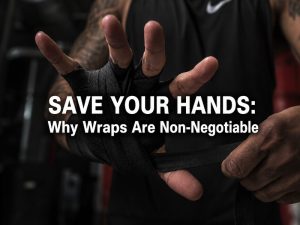
Even expensive gloves fail if the hand wraps underneath are sloppy. Good wraps stabilize the metacarpals, support the wrist joint, and create a compact striking surface before the glove even goes on.
USA Boxing-approved hand wraps remain the standard for good reason.
Because gloves absorb force. Wraps organize the hand.
Two different jobs.
Real-World Gym Culture in the United States
American boxing culture quietly shapes glove preferences more than advertisements do.
Traditional boxing gyms usually lean toward lace-ups for sparring culture and competitive training. Places with active amateur teams often treat lace-up gloves almost like a rite of passage.
You start with Velcro. Eventually, you transition.
Meanwhile, fitness-focused gyms prioritize speed and accessibility. Gloves rotate quickly between classes. People train independently. Sessions move fast.
Velcro dominates there because it fits the environment better.
And there’s nothing wrong with that.
A common mistake in boxing communities involves treating lace-up gloves as morally superior. They aren’t. They simply solve different problems.
For someone training twice weekly for conditioning and stress relief, premium lace-up gloves may feel unnecessary. For somebody sparring hard every Friday night, stronger wrist support becomes a smarter long-term choice.
Context matters.
Always.
The Feel Difference Nobody Explains Properly
This part rarely gets discussed clearly online.
Lace-up gloves and Velcro gloves don’t just function differently. They feel emotionally different during training.
Lace-ups create a “sealed” sensation around the hand. Tight. Compressed. Focused. Fighters often associate them with serious work because sparring, competition prep, and advanced gym sessions frequently happen in that equipment.
Velcro gloves feel freer and more relaxed. Easier to remove. Easier to adjust. Easier to live with day-to-day.
Neither experience is wrong.
But after enough rounds, most fighters develop strong personal preferences based on those subtle sensations.
Some athletes love the ritual of getting laced up before sparring. Others hate depending on another person just to start training.
That’s where boxing becomes personal instead of theoretical.
Which Type Makes More Sense for You?
Lace-up gloves tend to fit best if your training includes:
Regular sparring sessions
Amateur or professional competition goals
High-volume technical boxing
Traditional boxing gym environments
Maximum wrist stabilization
Velcro gloves usually make more sense if your routine includes:
Solo workouts
Heavy bag conditioning
Group fitness classes
Home gym sessions
Fast transitions between exercises
For many American fighters, the smartest setup eventually becomes owning both.
Velcro gloves handle everyday workouts beautifully. Lace-up gloves come out for sparring, technical sessions, and serious camp preparation.
That combination covers almost every training scenario realistically.
Final Takeaway
Choosing between lace-up and Velcro gloves comes down to priorities, not status.
If wrist support, structural security, and sparring performance matter most, lace-up gloves remain the stronger option. That’s why competitive fighters across the United States continue relying on them inside serious boxing gyms.
If convenience, solo training, and daily usability matter more, Velcro gloves fit modern life better. Faster on. Faster off. Easier to manage consistently.
And consistency matters.
A glove sitting unused in a locker because it feels inconvenient doesn’t help training at all.
The best boxing equipment usually matches real habits, real schedules, and real goals. Not fantasy versions of training life.
So before buying the flashiest gloves online, think about where most workouts actually happen. Heavy bag in the garage. Fitness class after work. Sparring rounds in a local gym. Amateur tournaments on weekends.
That answer points toward the right glove faster than any marketing campaign ever will.